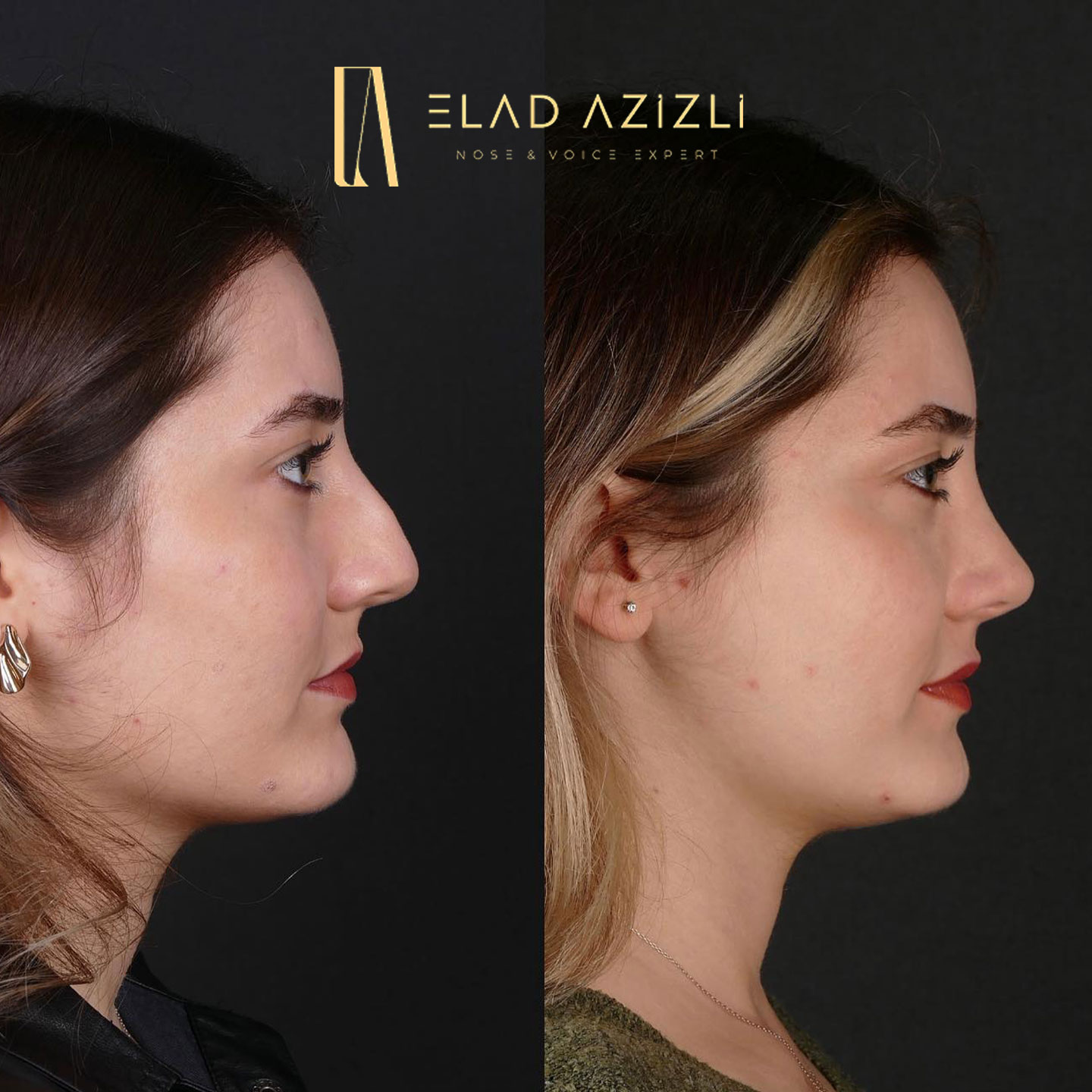
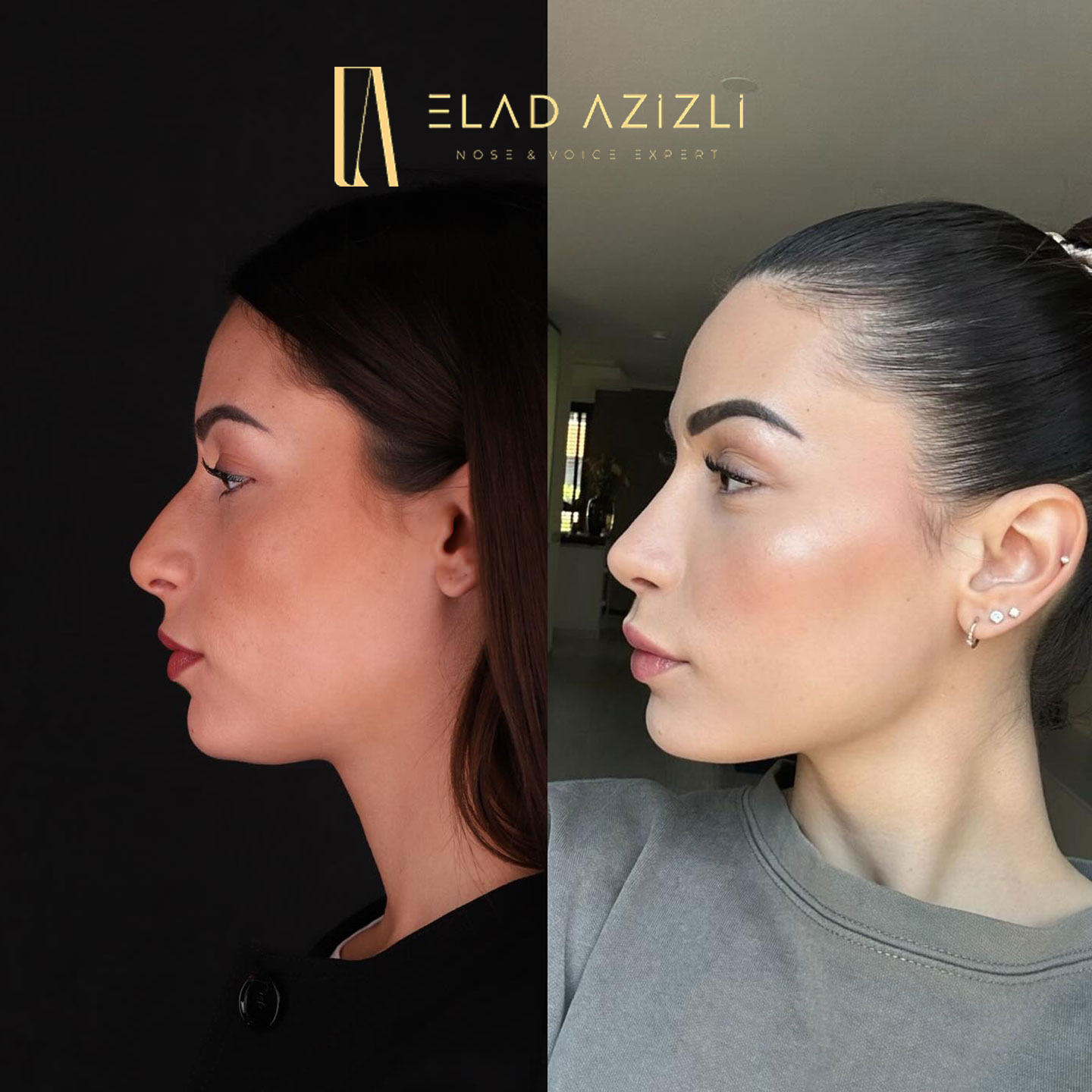
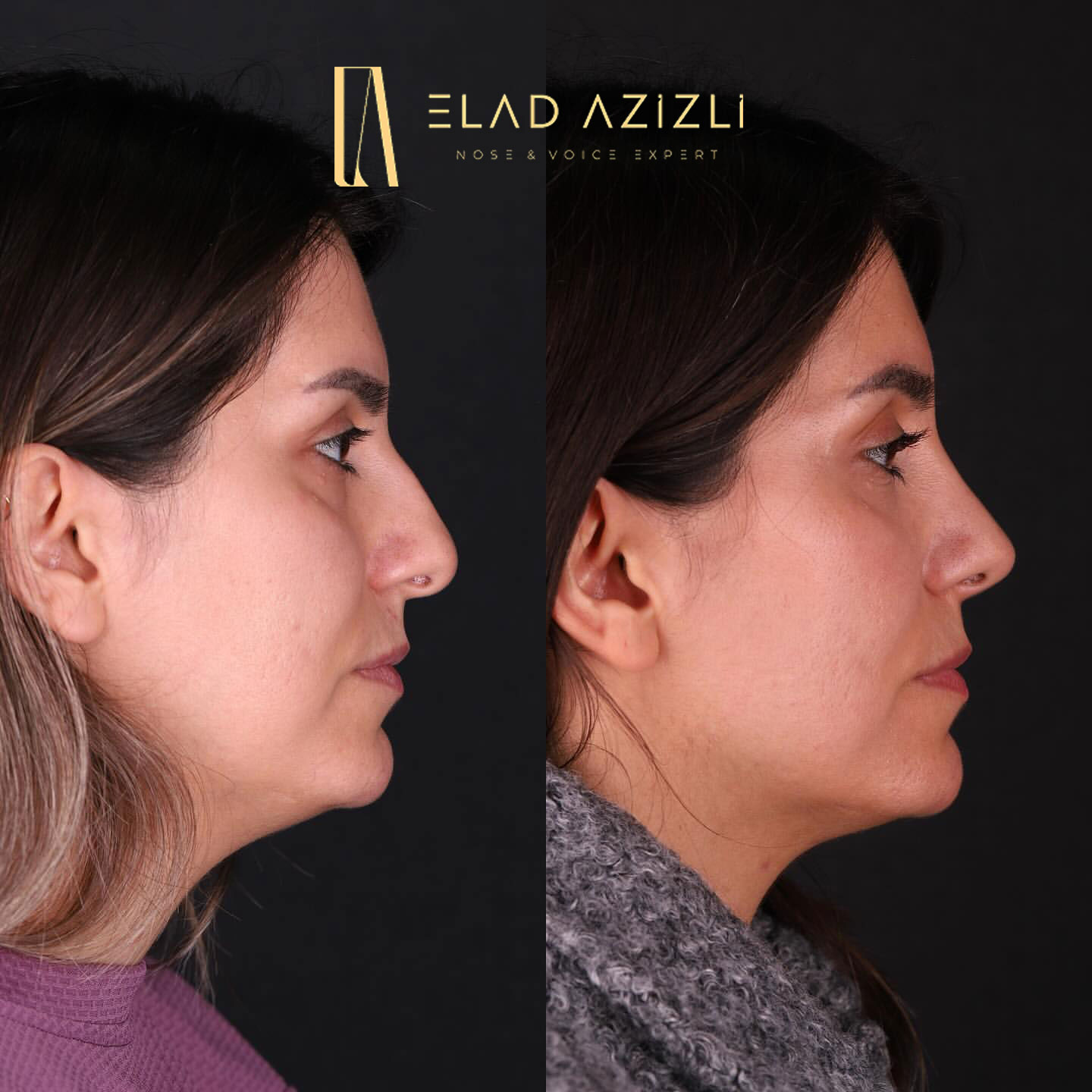
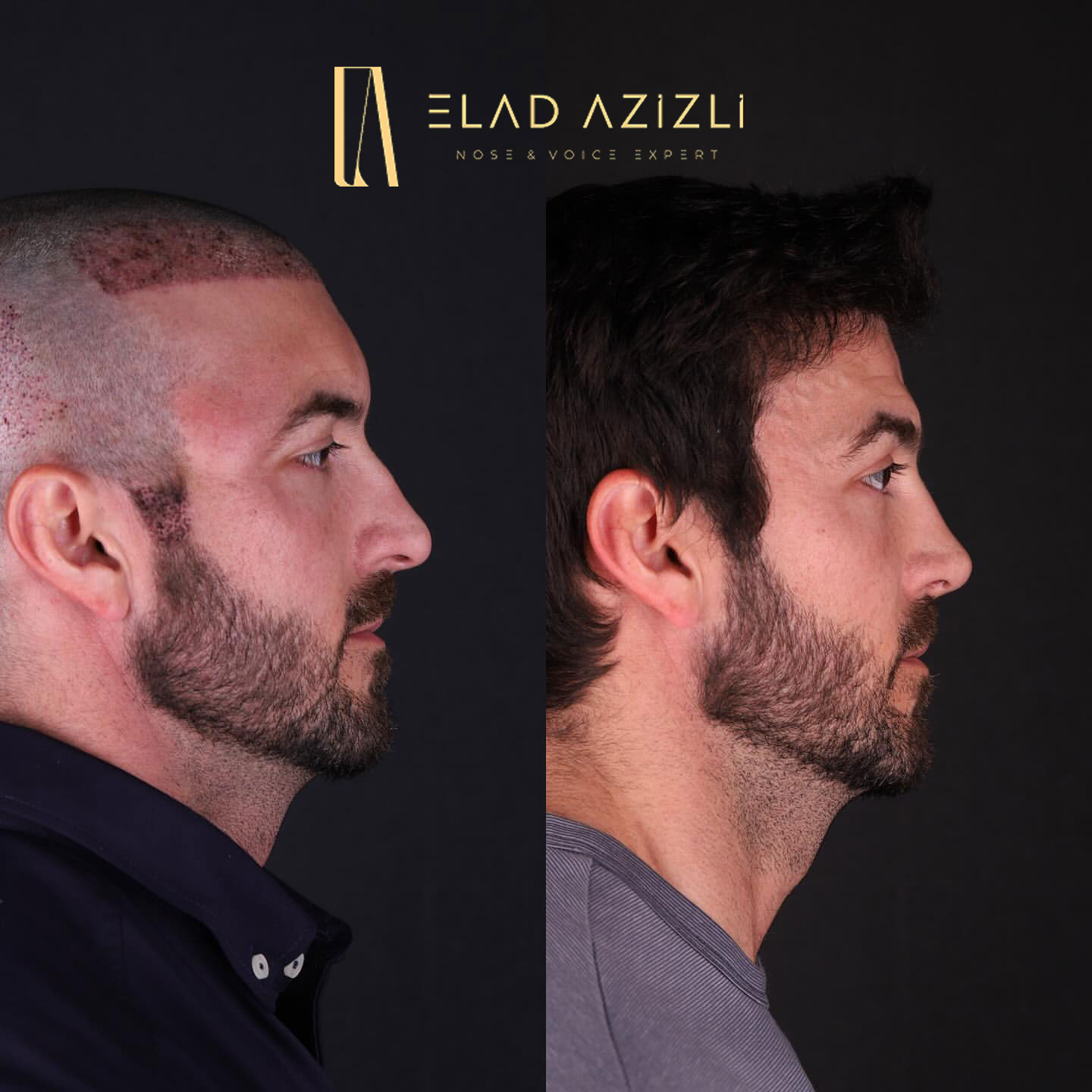
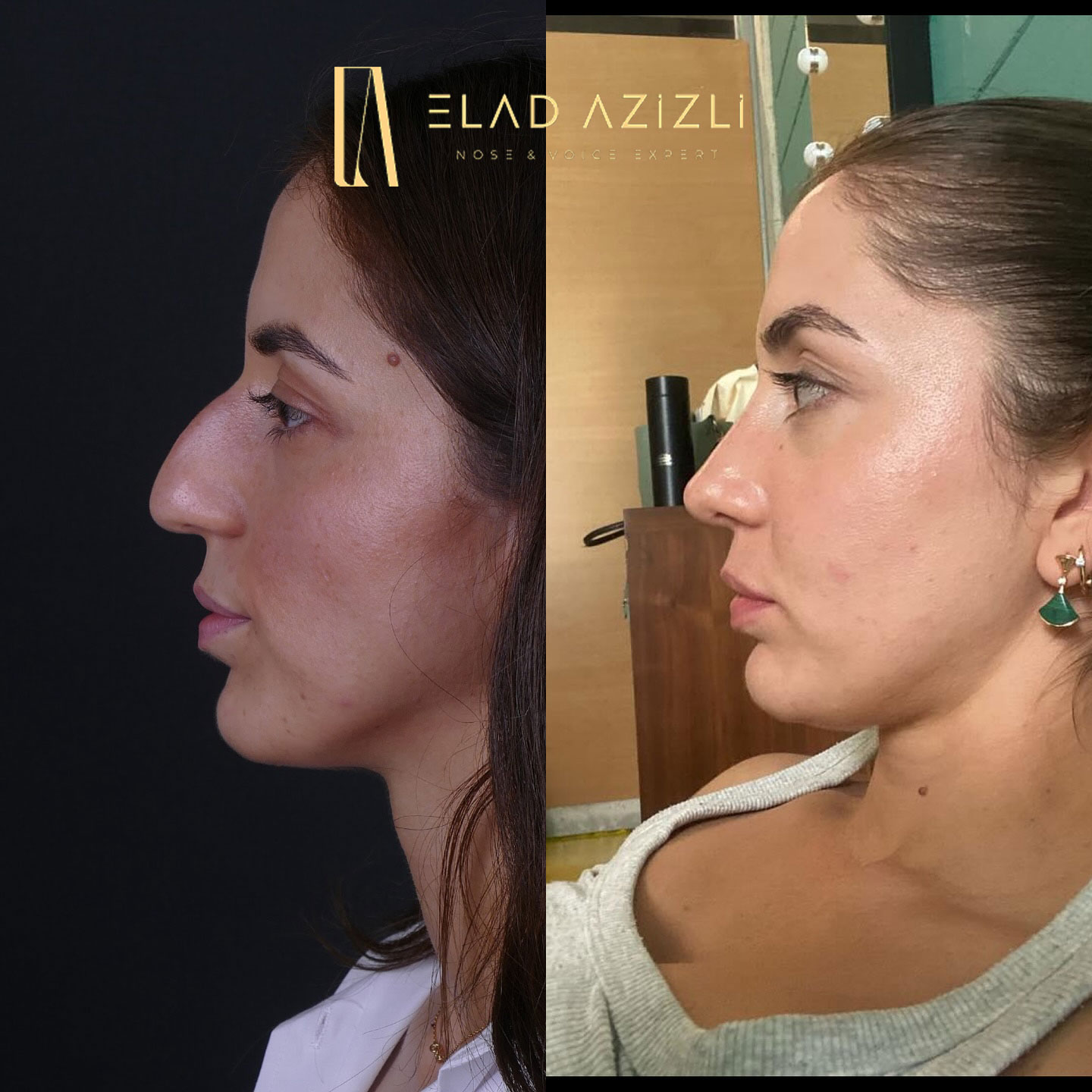
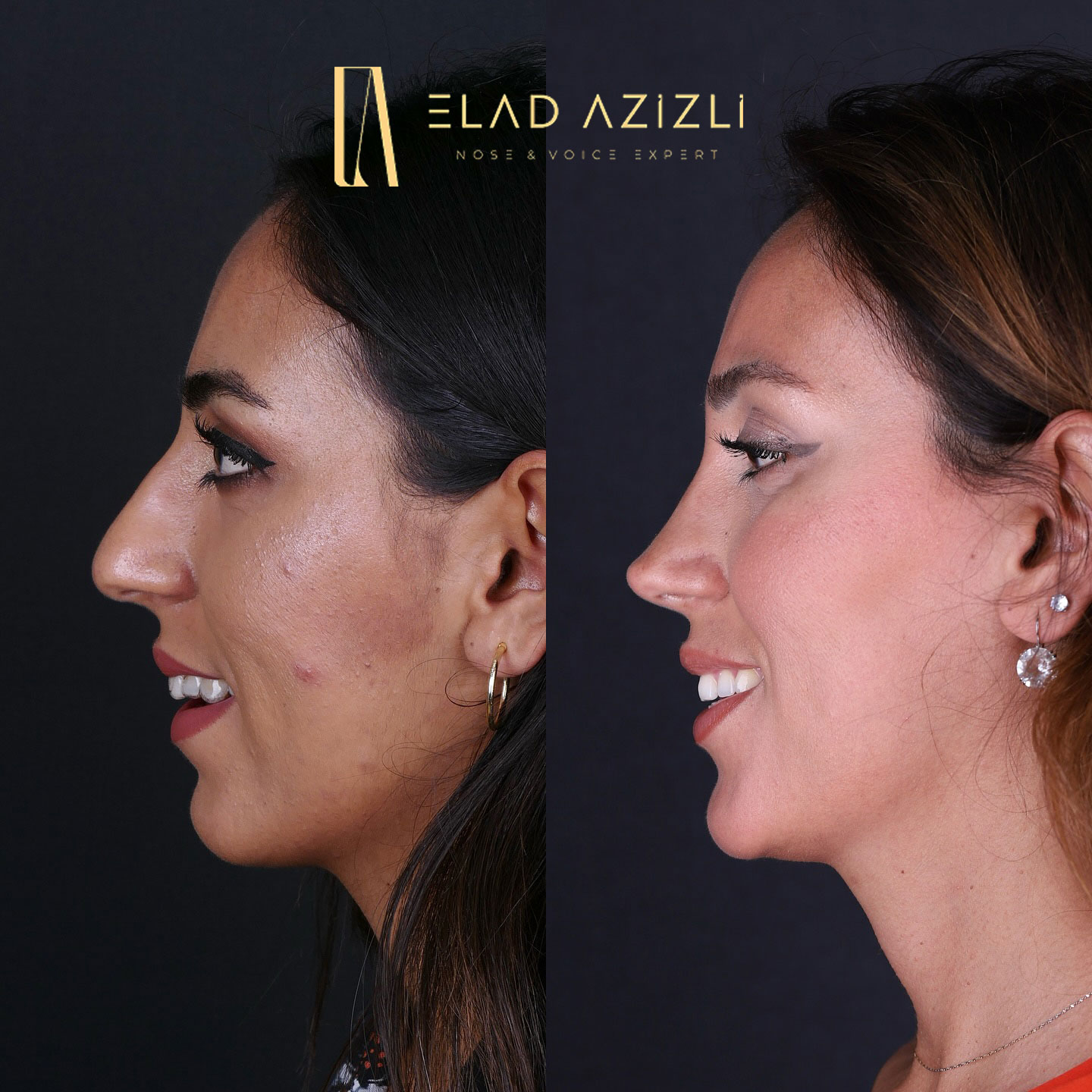
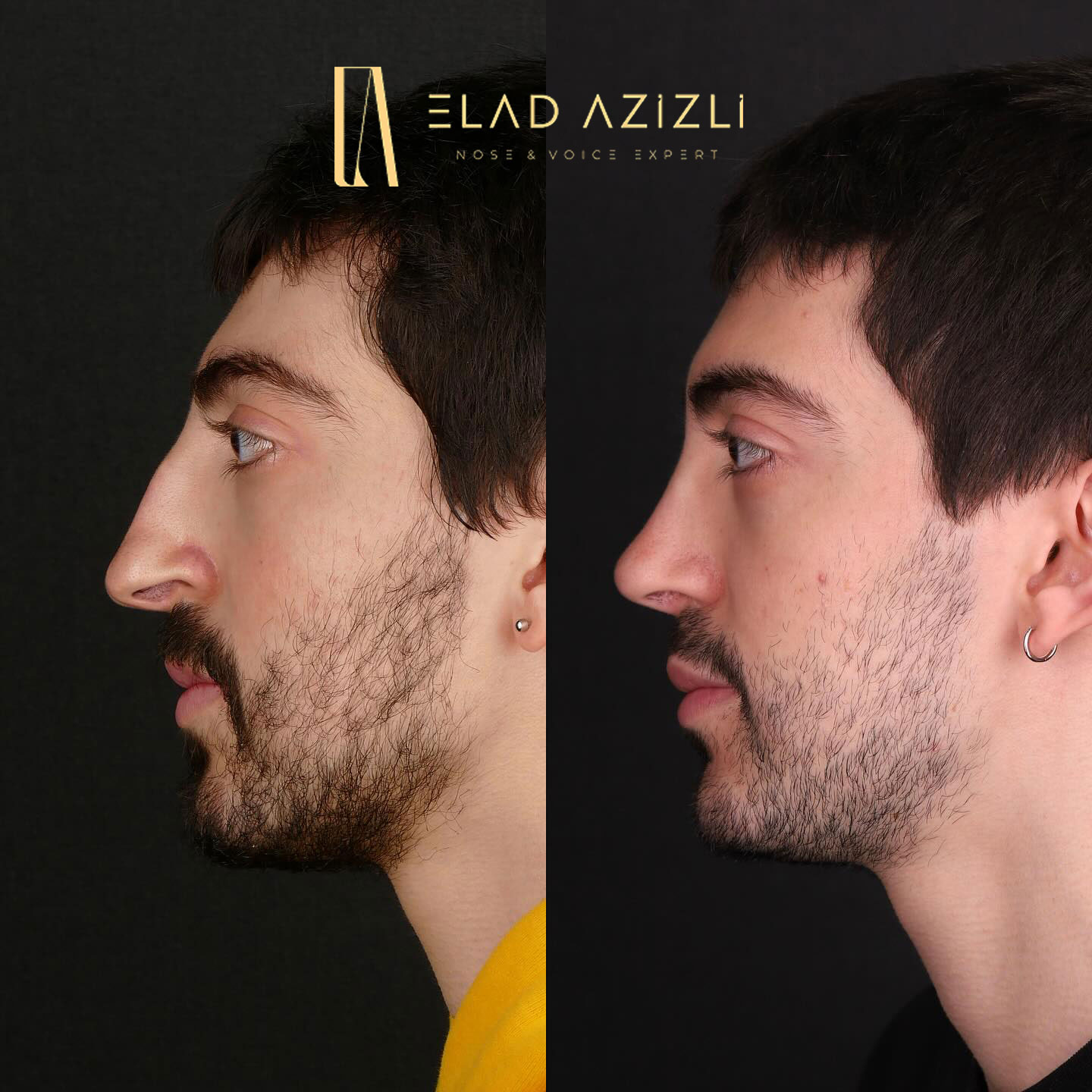
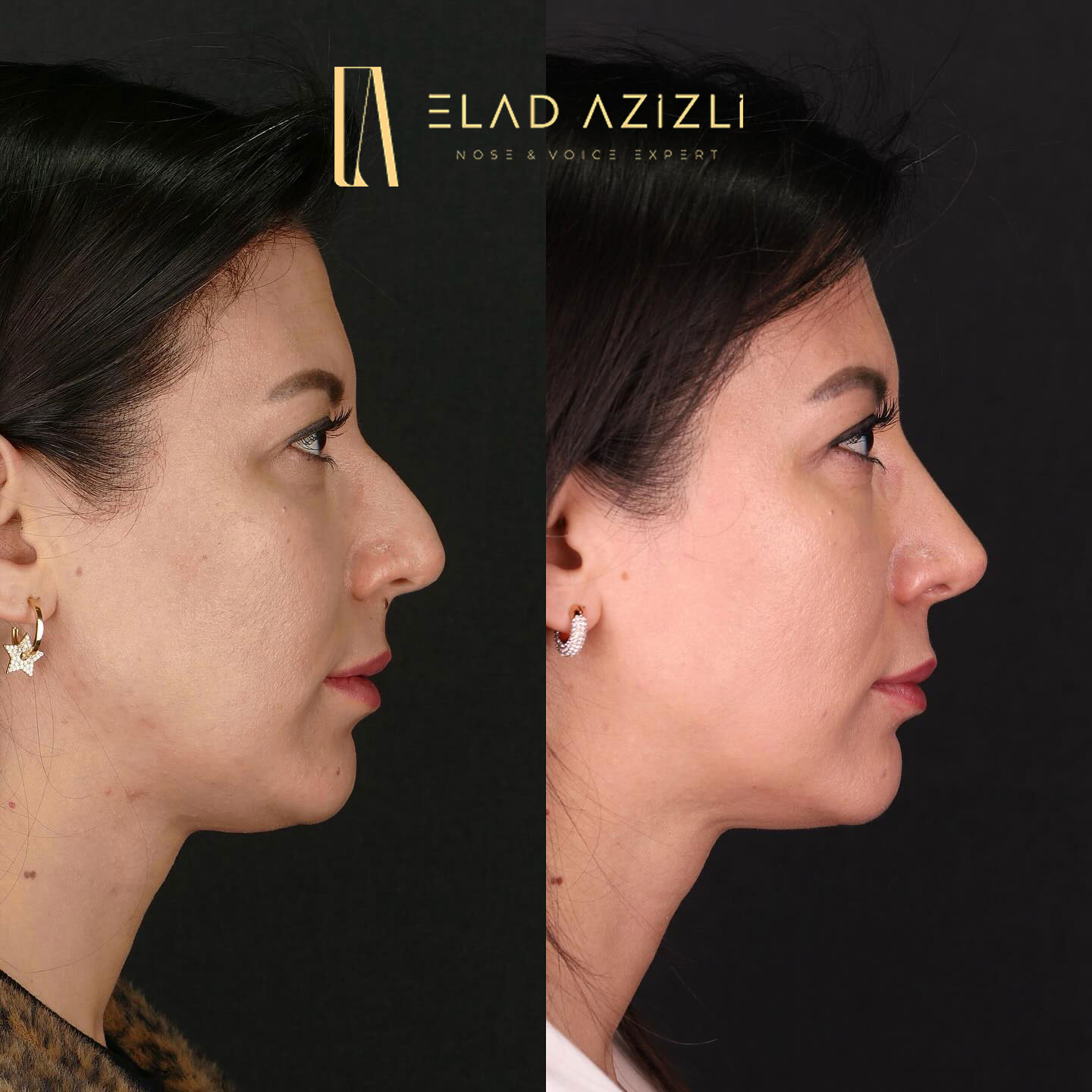
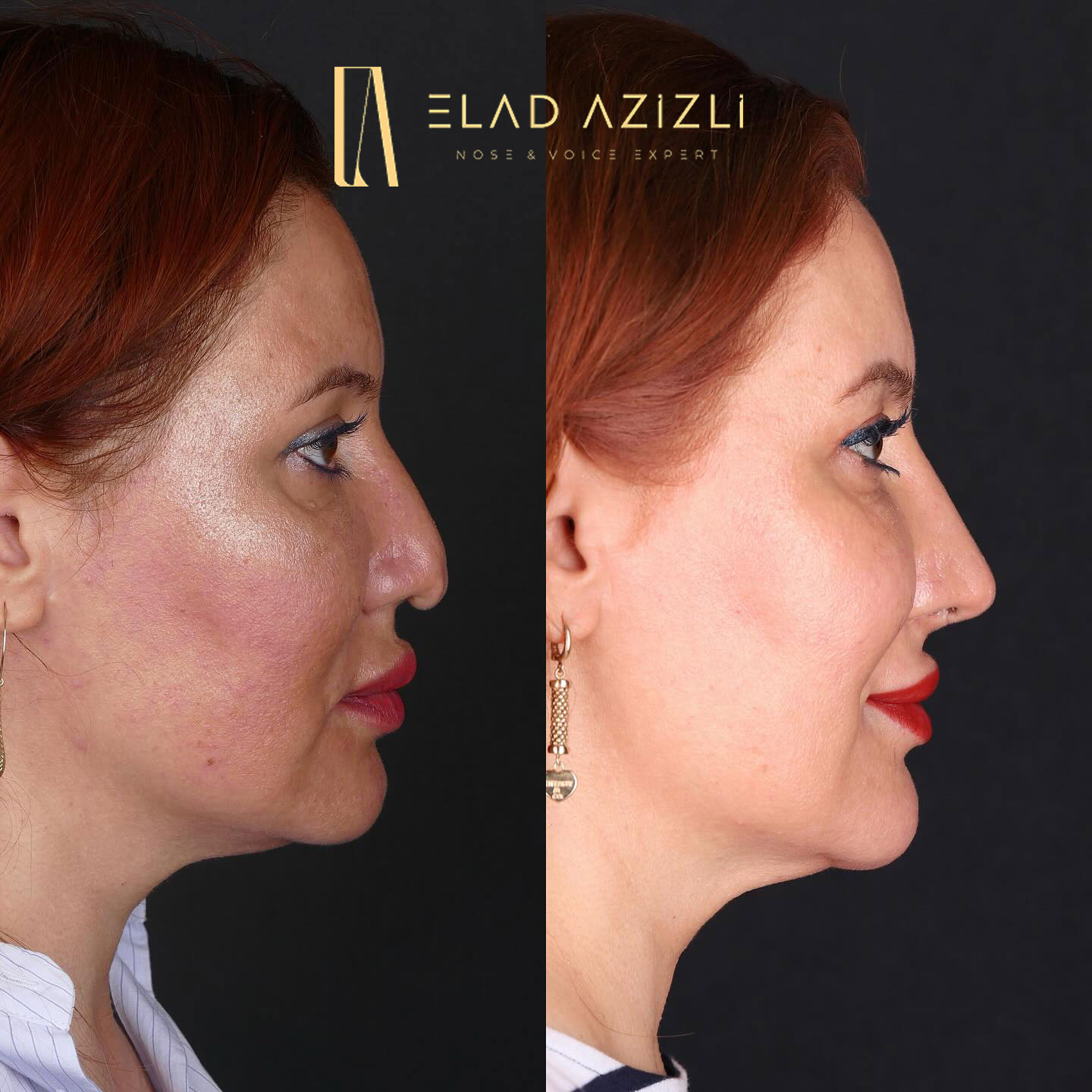
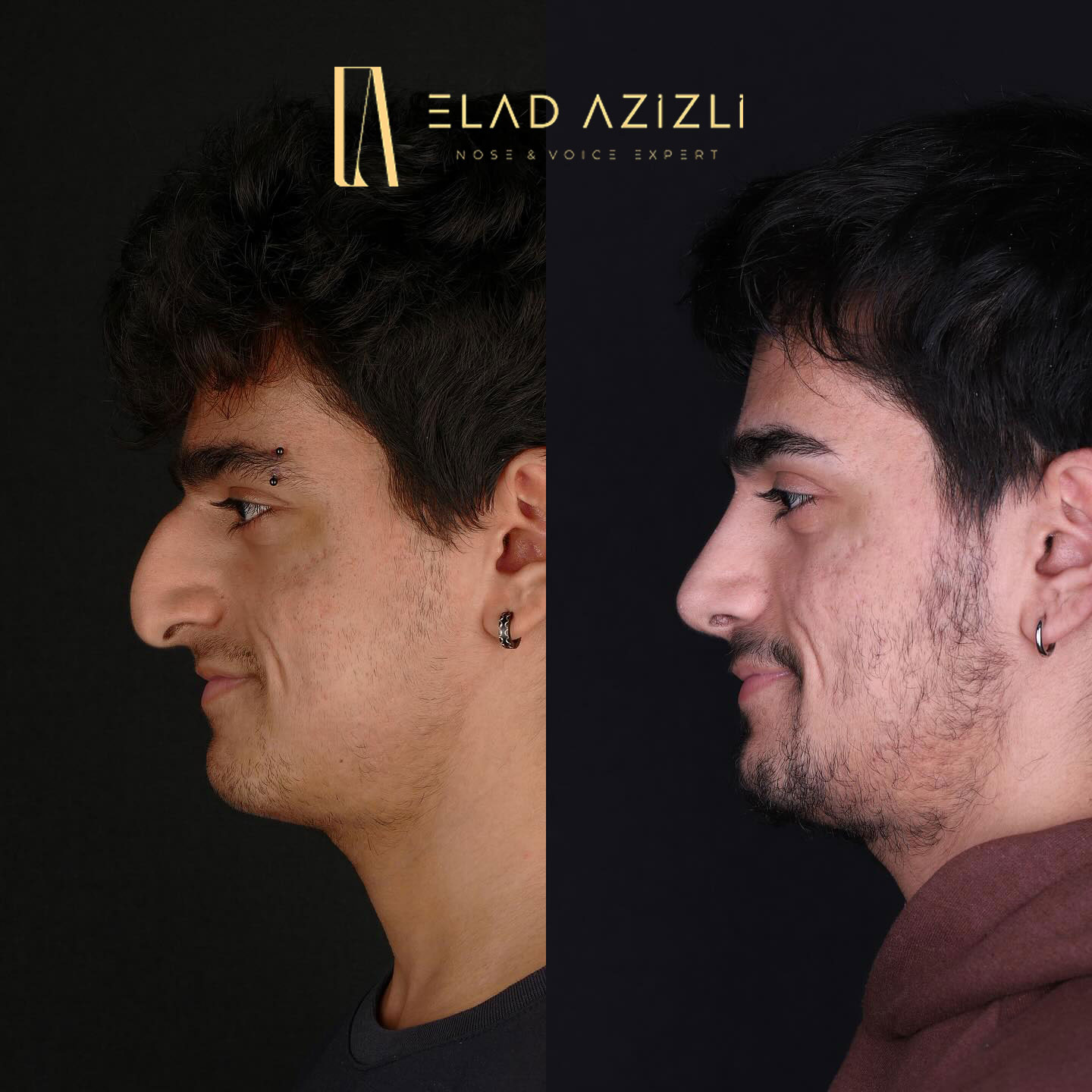
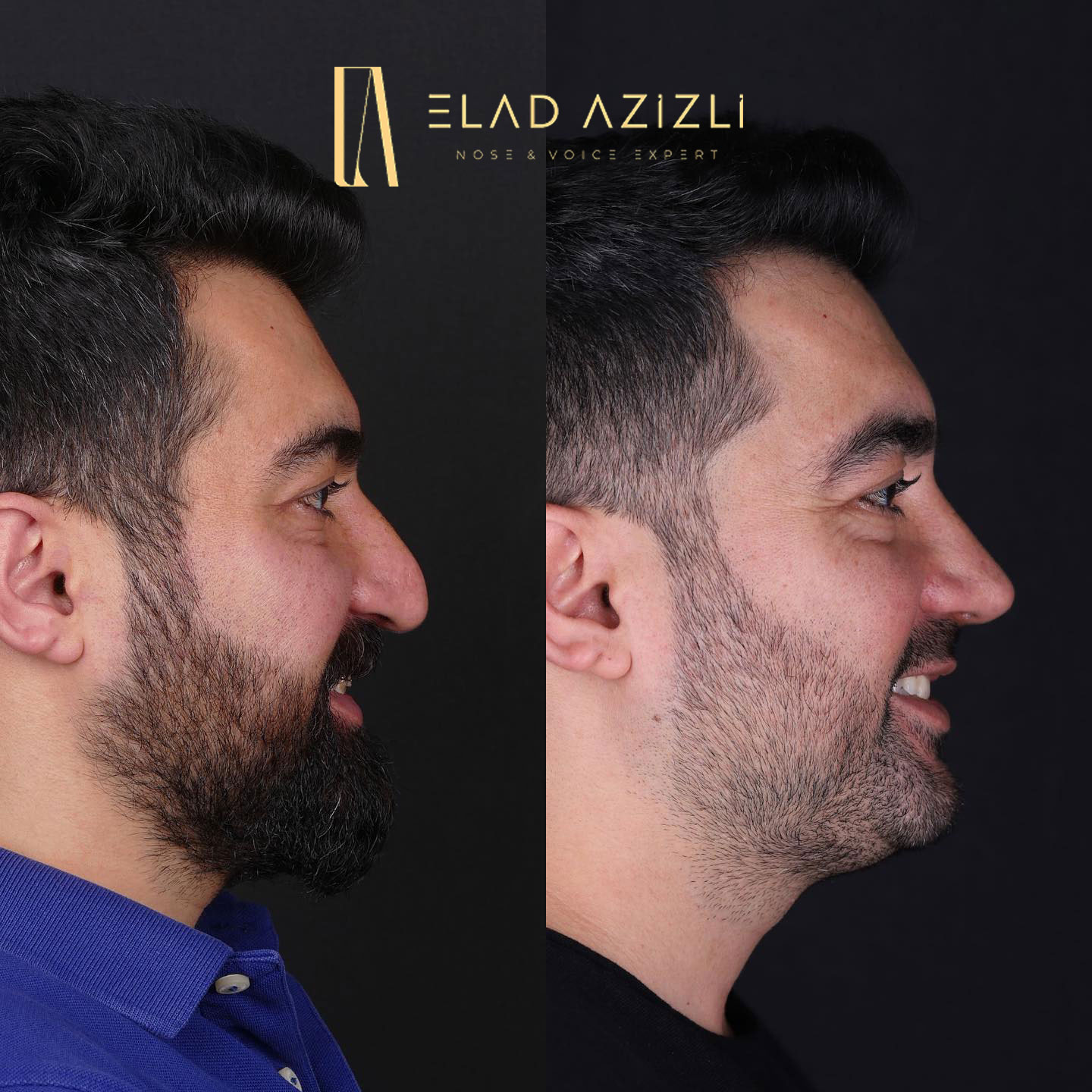
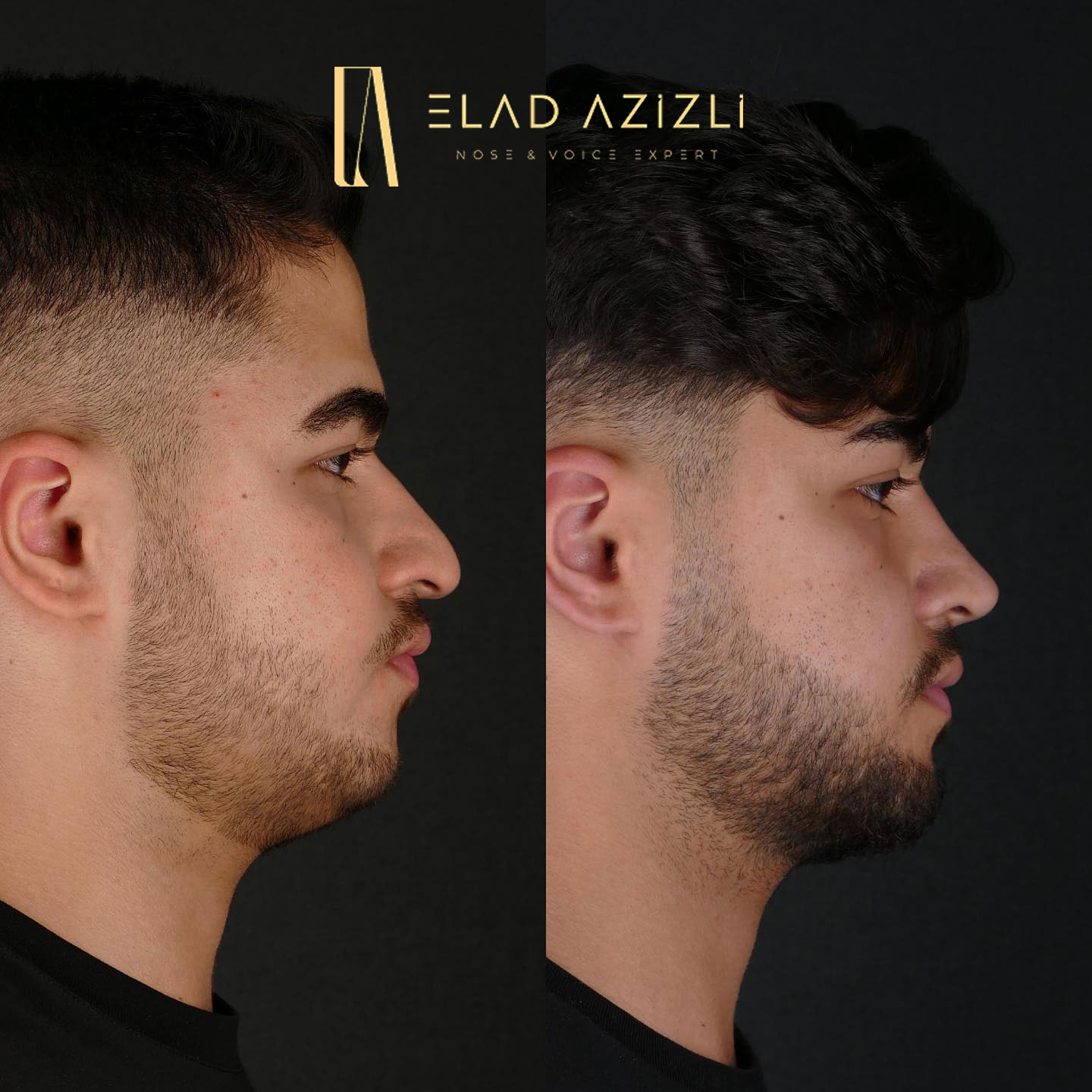
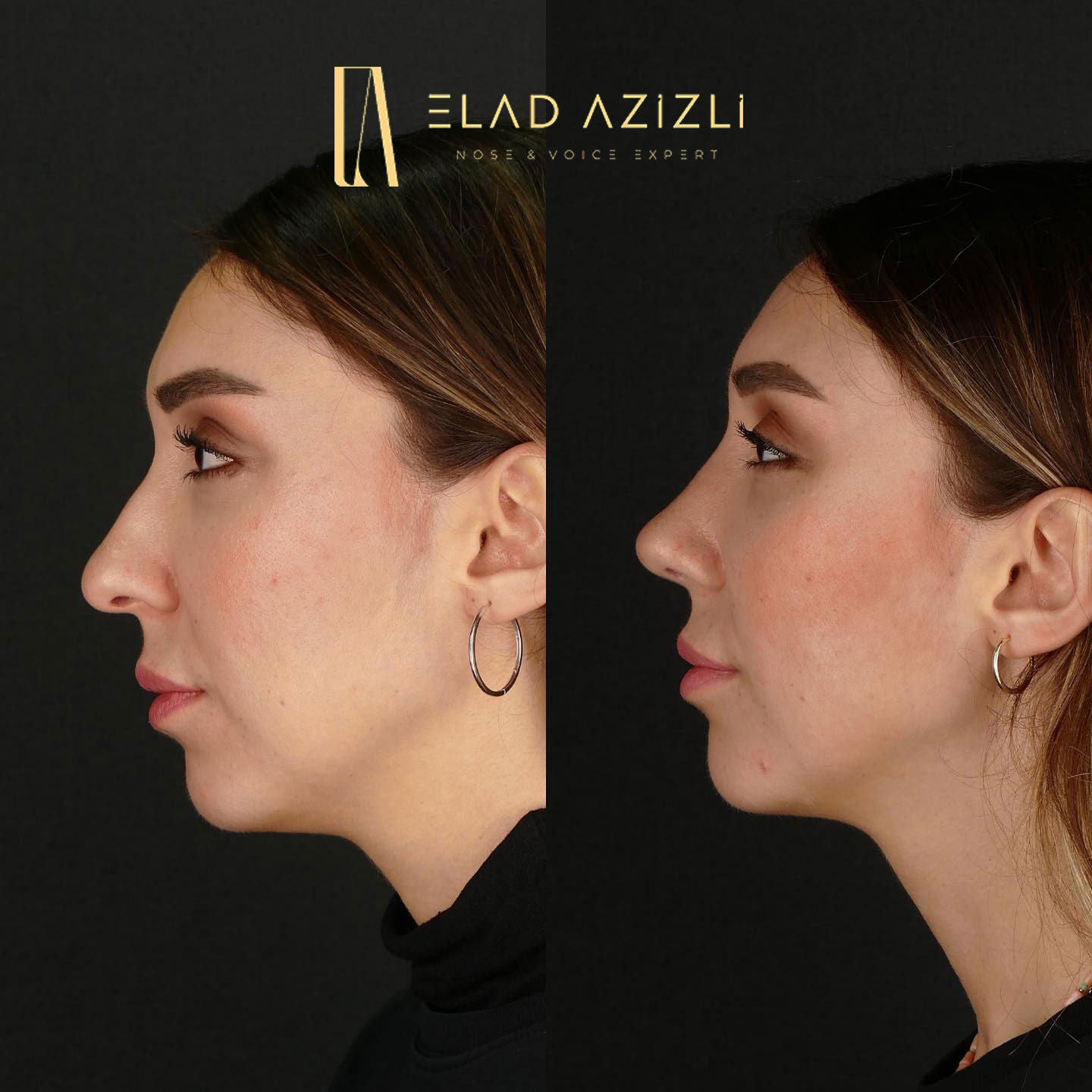
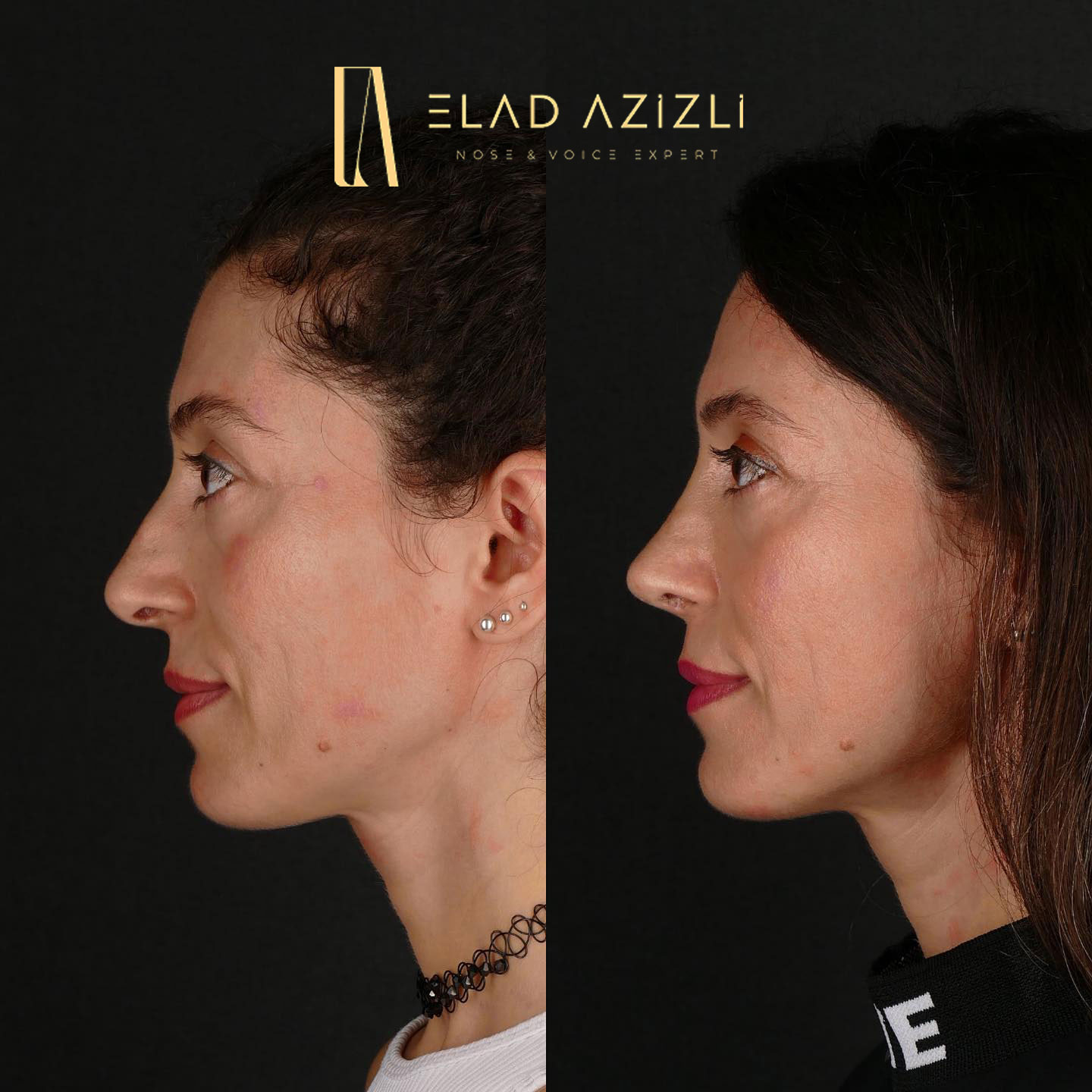
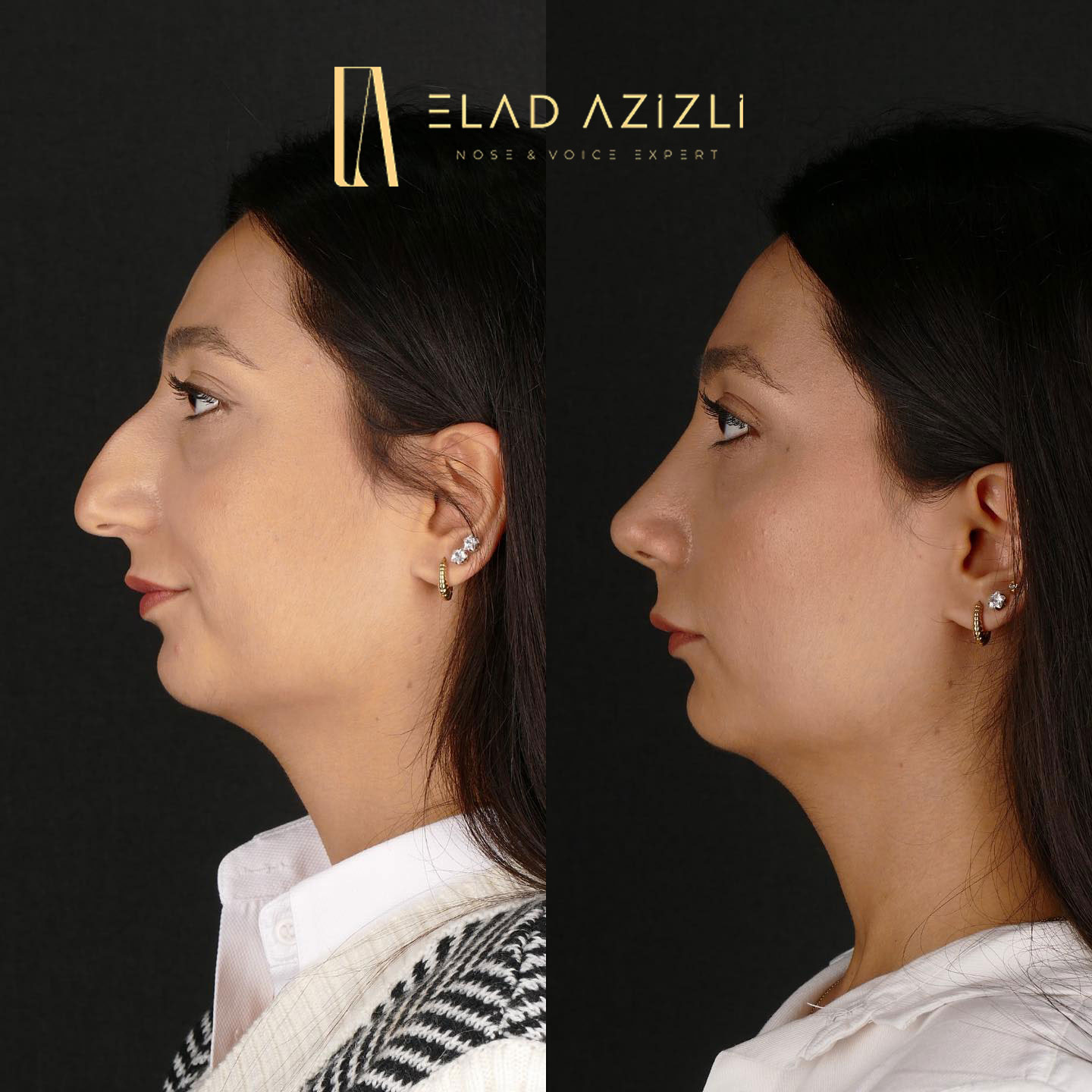
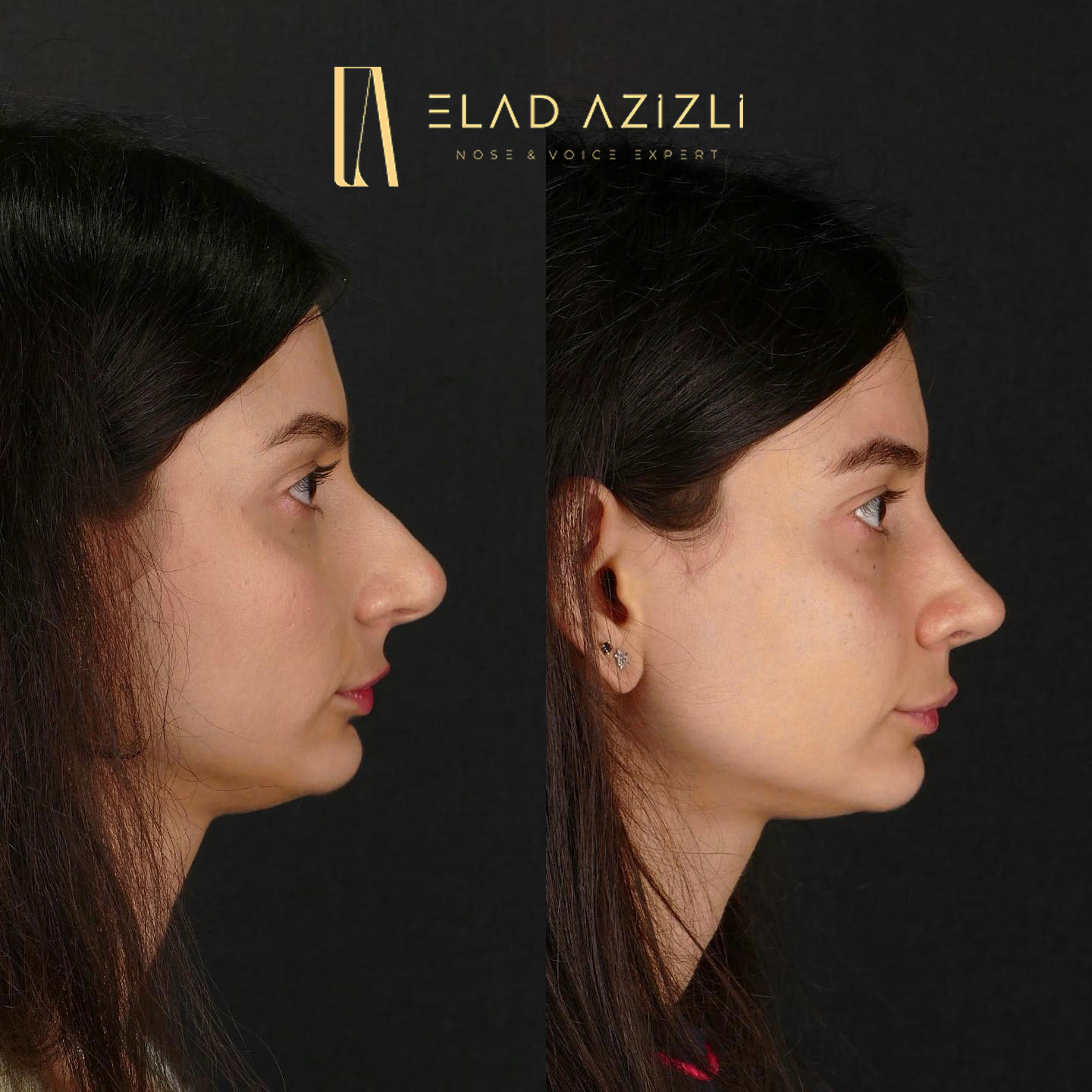
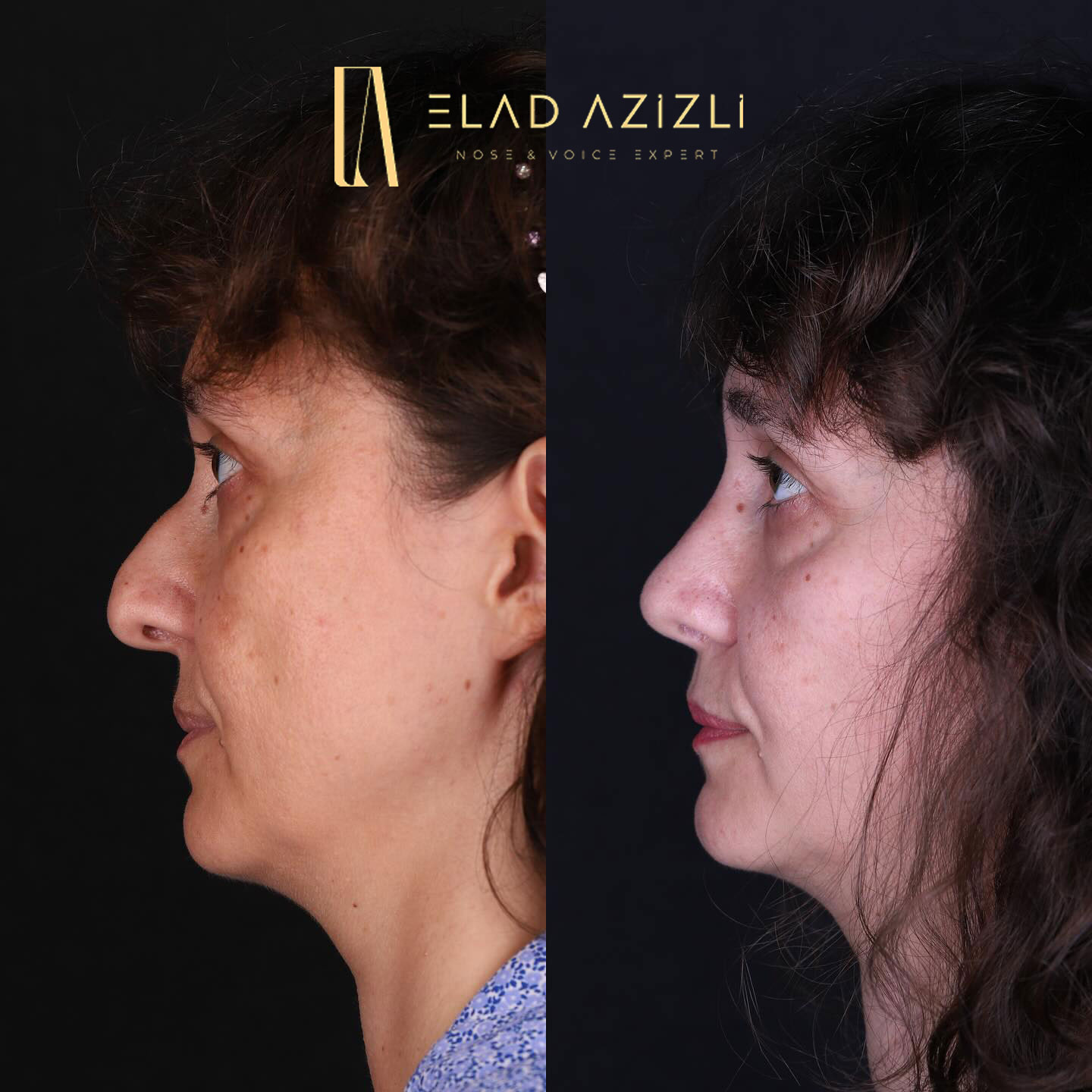
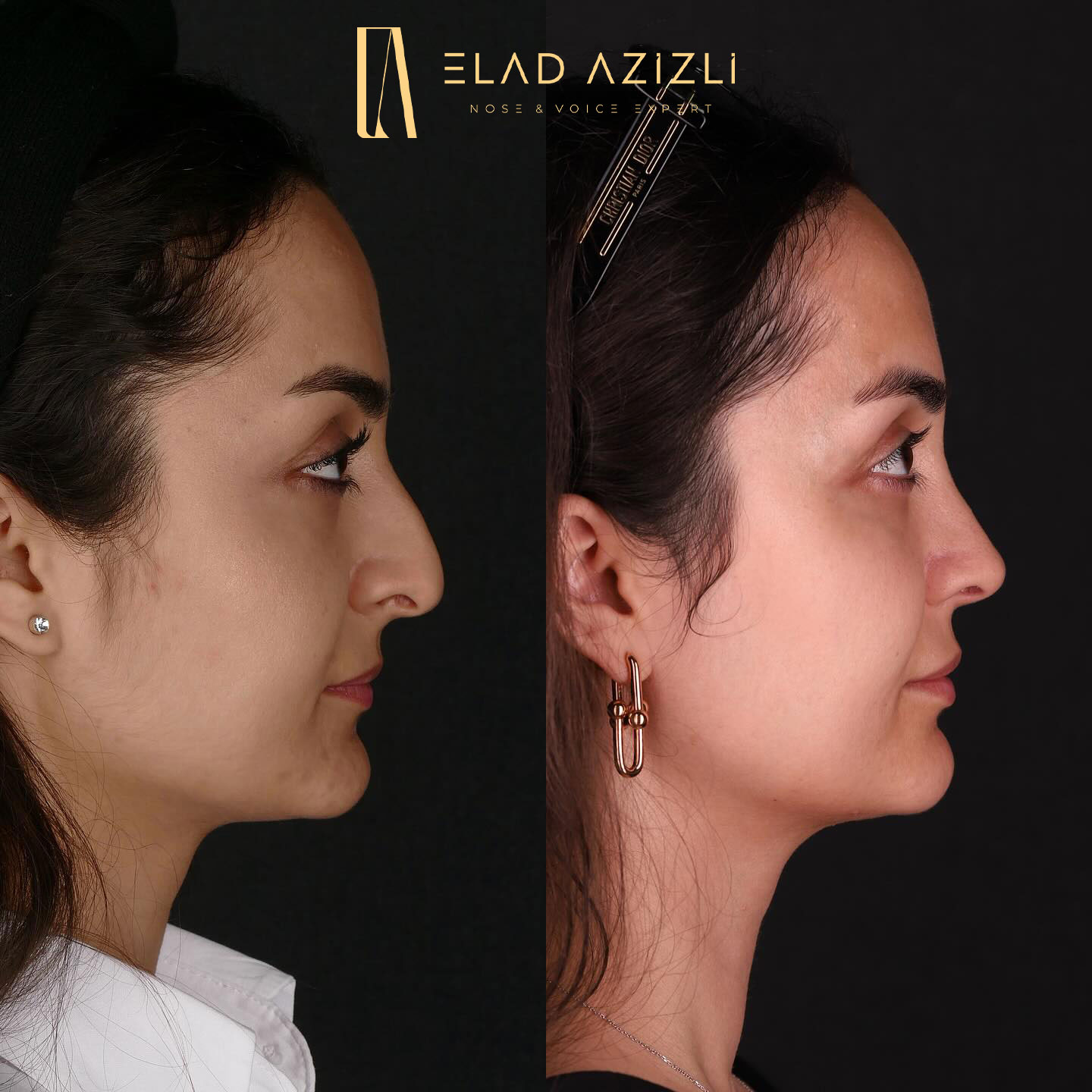
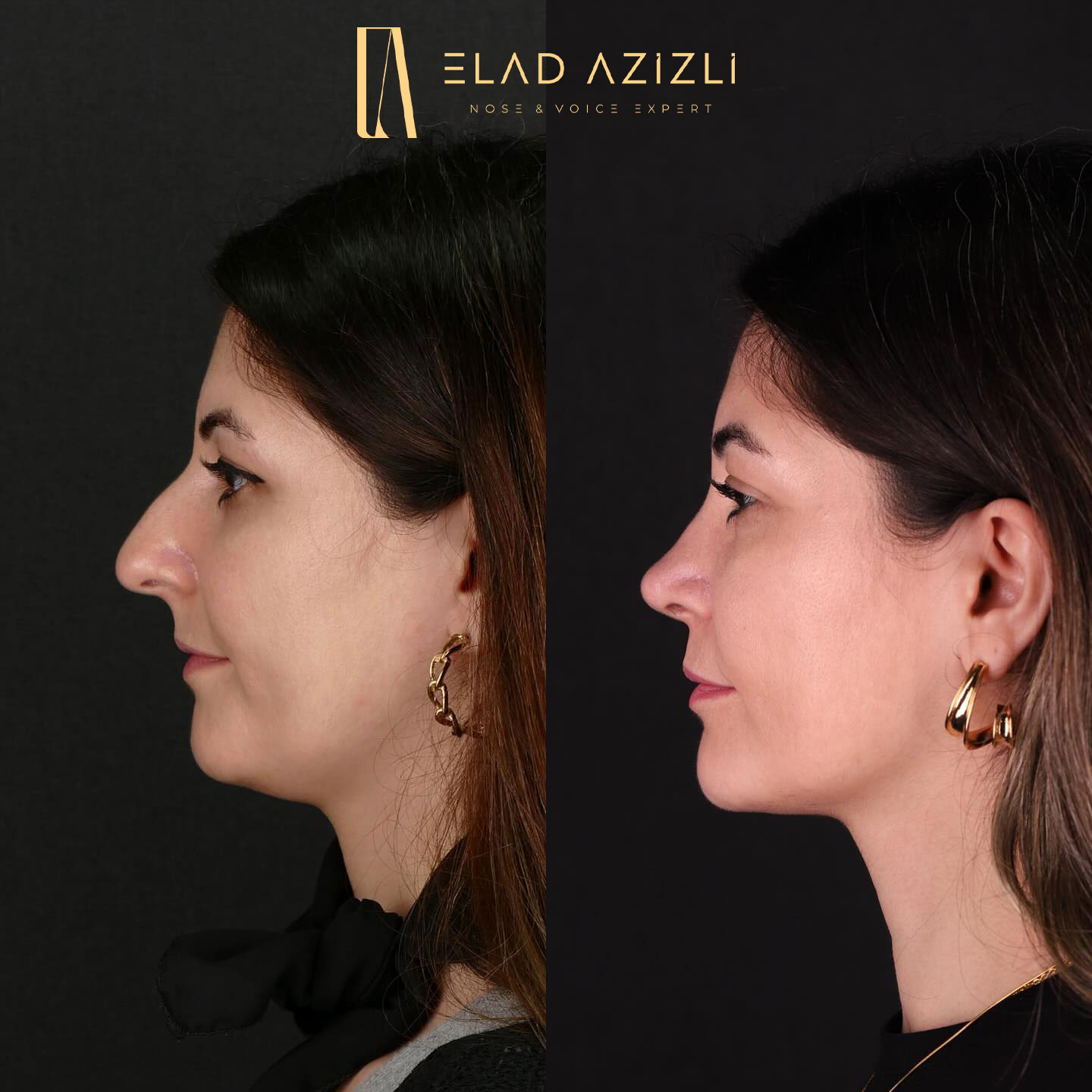
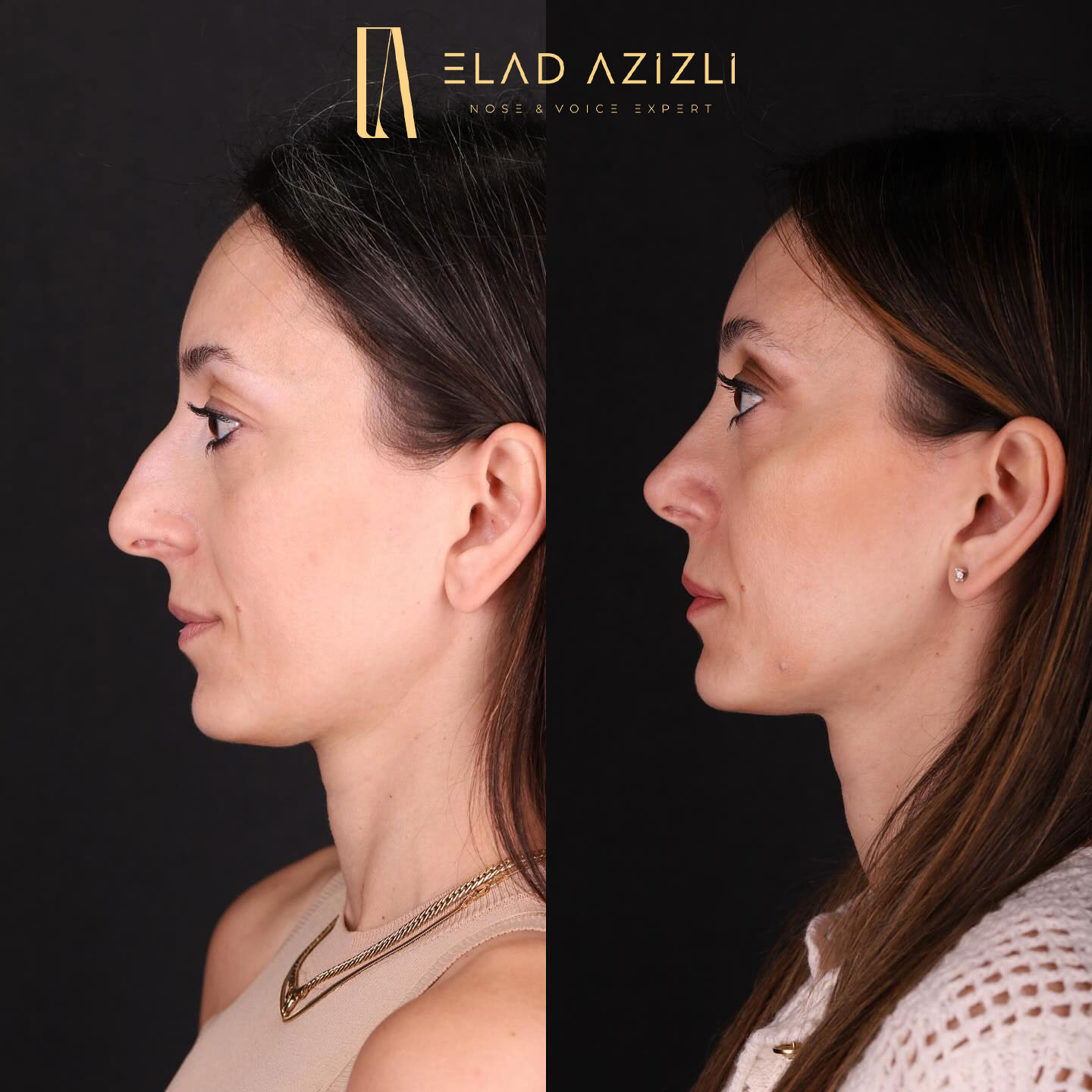
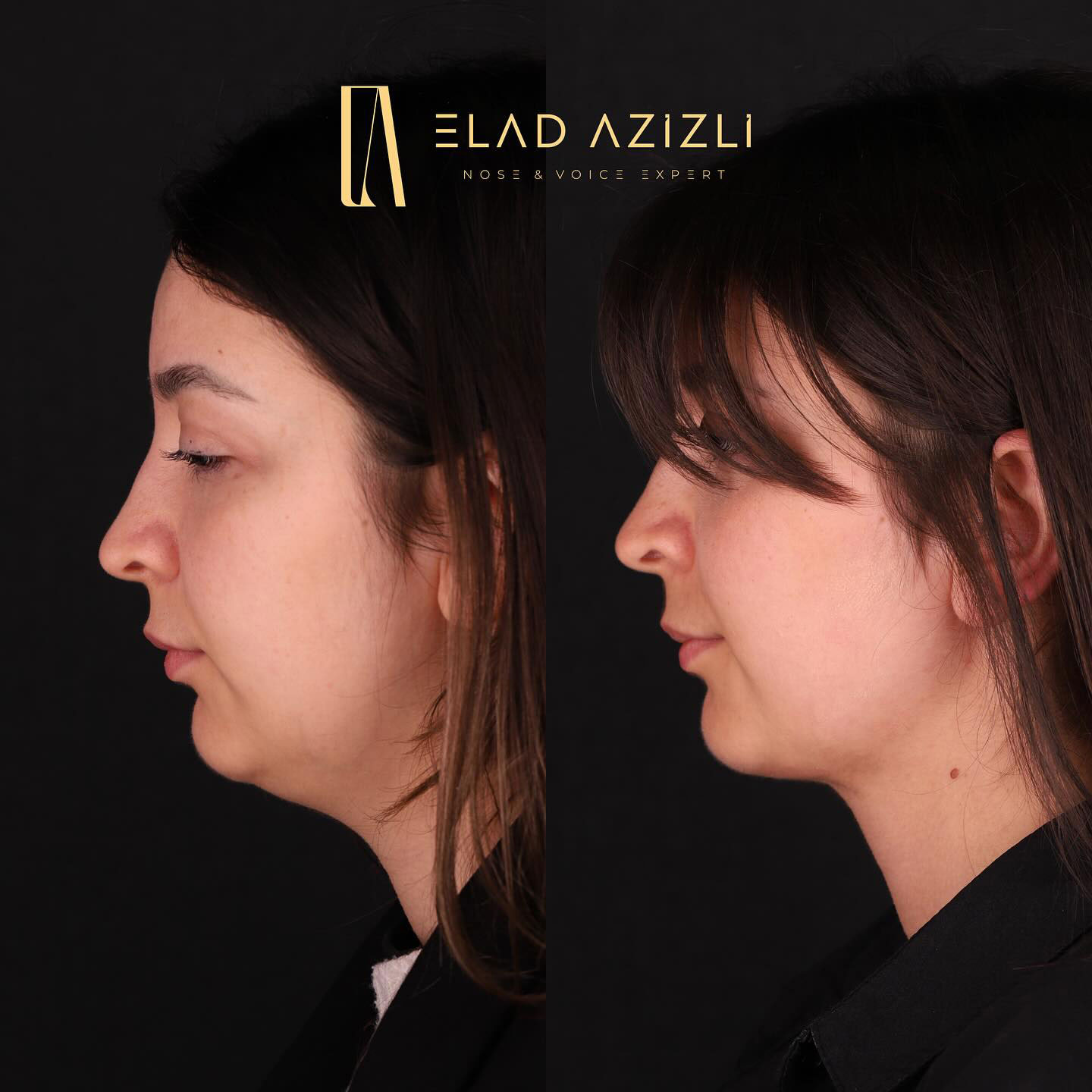
Revision rhinoplasty is a secondary nose surgery performed to improve aesthetic or functional problems that remain or develop after a previous rhinoplasty. Because earlier surgery can alter cartilage, bone, scar tissue and nasal airflow, revision procedures require detailed anatomical assessment, realistic planning and a highly individualized surgical approach.
For some patients, the concern after a previous nose operation is primarily cosmetic: the bridge may appear uneven, the nasal tip may lack definition, asymmetry may remain, or the nose may no longer feel balanced with the rest of the face. For others, the main problem is functional, such as persistent nasal obstruction or difficulty breathing. In many revision cases, appearance and function are closely connected and should therefore be evaluated together.
What Is Revision Rhinoplasty?
Revision rhinoplasty, also known as secondary rhinoplasty or corrective rhinoplasty, refers to nasal surgery performed after one or more previous rhinoplasty procedures. Its purpose is not simply to repeat the first operation. Instead, the surgeon must identify what changed after the original surgery, which structures remain strong, where support has been lost and how the nose has healed over time.
This makes revision surgery fundamentally different from primary rhinoplasty. Scar tissue may limit tissue mobility, parts of the septal cartilage may already have been removed, and the natural anatomical landmarks can be less predictable. In some cases, additional structural support is required to reconstruct the nasal tip, bridge, septum or nasal valves.
Feature
Primary Rhinoplasty
Revision Rhinoplasty
Previous nasal surgery
No
One or more previous operations
Scar tissue
Usually minimal before surgery
May significantly affect dissection and healing
Available septal cartilage
Often available
May be reduced or previously removed
Structural reconstruction
Depends on the individual case
More commonly required
Planning complexity
Individualized
Usually more technically demanding
Final refinement
May take many months
Can take longer because of scar tissue and previous surgery
Why Do Patients Consider Revision Rhinoplasty?
A previous rhinoplasty does not always heal exactly as expected. Even when surgery has been carefully performed, cartilage strength, skin thickness, scar formation and individual healing characteristics can influence the final result. Revision rhinoplasty may therefore be considered when a patient has a persistent concern that remains after adequate healing.
Common reasons include an irregular nasal bridge, residual deviation, excessive or insufficient reduction, loss of nasal tip support, tip asymmetry, visible contour irregularities, an overly pinched appearance or a result that does not feel harmonious with the patient’s facial proportions.
Functional problems are equally important. A patient may experience nasal blockage because of septal deviation, narrowing of the internal nasal valve, weakness of the external nasal valve or loss of structural cartilage support. A thorough revision assessment should therefore examine both the external appearance of the nose and the internal airway rather than focusing on aesthetics alone.
When Is the Right Time for Revision Rhinoplasty?
One of the most important principles in secondary rhinoplasty is allowing sufficient time for healing after the previous procedure. Nasal swelling may continue to change for many months, while scar tissue gradually softens and matures. For this reason, revision surgery is commonly considered only after the tissues have stabilized, often around 12 months or later after the original operation.
This is not an absolute rule for every patient. Significant breathing problems, structural collapse or other specific medical concerns may require a different timeline. The appropriate timing should be determined after an examination by the surgeon rather than by appearance alone during the early postoperative period.
How Is Revision Rhinoplasty Planned?
Successful planning begins with understanding the patient’s previous surgery. When available, operative records, older photographs and images taken before the first rhinoplasty can provide useful information. During consultation, the current shape of the nose, skin thickness, scar tissue, nasal tip support, septum and breathing function are assessed together.
Photographic analysis also helps evaluate the relationship between the nose and other facial structures. The objective is not to create the same nose for every patient, but to develop a correction strategy that respects facial proportions, individual anatomy and realistic expectations.
Structural Support and Cartilage Grafts
Cartilage is particularly important in complex revision rhinoplasty. If sufficient septal cartilage remains, it may be used to strengthen or reshape weakened areas. When septal cartilage is inadequate because of previous surgery, cartilage from the ear may be considered. More complex reconstructions can occasionally require rib cartilage when greater strength or volume is necessary.
Grafts may be used to support the nasal tip, rebuild the bridge, stabilize the septum or improve narrowed nasal valves. The decision to use a particular graft is based on the existing anatomy and cannot be determined solely from photographs.
Functional Revision Rhinoplasty and Breathing Problems
Revision rhinoplasty is not exclusively an aesthetic procedure. The nasal septum and internal nasal valves play an essential role in airflow. Excessive removal of supporting cartilage, persistent septal deviation or postoperative contraction can contribute to nasal obstruction.
For this reason, an ENT-based examination can be particularly valuable in patients who report difficulty breathing after previous surgery. The internal nasal structures should be evaluated alongside the external appearance. When appropriate, septal reconstruction, nasal valve support or functional septorhinoplasty techniques can be incorporated into the surgical plan.
Revision Rhinoplasty Recovery Timeline
The first stages of recovery resemble primary rhinoplasty, but swelling can persist longer in revision cases because previously operated tissues may respond differently. Patients should therefore judge the outcome gradually rather than focusing on the appearance of the nose during the first weeks.
Recovery Period
What Patients May Expect
First 7–10 days
Splint care, swelling, nasal congestion and possible bruising during initial healing.
2–4 weeks
Visible swelling usually decreases and many patients gradually resume normal daily activities according to medical advice.
1–3 months
The nasal contour becomes more defined, although tip swelling and tissue firmness may remain.
6–12 months
Progressive refinement continues as swelling and scar tissue mature.
12–24 months
Some complex revision noses may continue to show subtle changes before the result is considered mature.
Recovery varies considerably between individuals. Skin thickness, the extent of reconstruction, the number of previous procedures and whether cartilage grafting is required can all influence the healing period.
Revision Rhinoplasty in Turkey: Why Choose Istanbul?
Revision rhinoplasty in Turkey has become an option frequently researched by international patients seeking experienced ENT and facial aesthetic surgeons, modern private hospitals and coordinated medical tourism services. Istanbul in particular has a large healthcare infrastructure and receives patients from Europe, the United Kingdom, the Middle East and many other regions.
One reason international patients consider Turkey is cost. Surgical and hospital expenses may be lower than comparable private treatment in parts of Western Europe or the United States because of differences in healthcare economics and operating costs. Lower pricing, however, should never be interpreted as a substitute for medical quality. The surgeon’s qualifications, hospital standards, anesthesia team, postoperative follow-up and emergency support should remain central to any treatment decision.
Depending on the individual surgical plan, modern rhinoplasty care may involve detailed photographic analysis, internal nasal examination, structural cartilage techniques and technologies such as Piezo ultrasonic instrumentation for selected bone-shaping procedures. International patient services may also include interpreter assistance, airport or hotel transfers and coordinated follow-up. These services vary between providers and should be confirmed before travel.
Why Op. Dr. Elad Azizli for Revision Rhinoplasty in Istanbul?
Op. Dr. Elad Azizli is an Istanbul-based Ear, Nose and Throat and Head & Neck Surgery specialist whose clinical interests include rhinoplasty and revision rhinoplasty. His ENT background allows aesthetic nasal planning to be considered together with septal anatomy and breathing function, which can be particularly relevant in patients who have already undergone nasal surgery.
Dr. Azizli graduated from Istanbul University Cerrahpaşa Faculty of Medicine in 2007 and completed his specialization in Ear, Nose and Throat and Head & Neck Surgery in 2013. He also completed the European Board examination in Otolaryngology–Head and Neck Surgery and, in 2024, passed the European Board Examination in Facial Plastic and Reconstructive Surgery organized by the European Academy of Facial Plastic Surgery.
His approach to revision rhinoplasty is based on individualized nasal design rather than a standardized aesthetic template. Facial proportions, previous surgical changes, remaining cartilage, skin characteristics, nasal airway function and the patient’s expectations all contribute to the treatment plan. This is particularly important for international patients, who benefit from understanding both the possibilities and limitations of surgery before travelling to Istanbul.
Revision Rhinoplasty Cost in Istanbul, Turkey
There is no single standard price for revision rhinoplasty because secondary surgery can range from a relatively limited correction to extensive structural reconstruction. A reliable quotation should therefore be based on the patient’s anatomy, previous procedures and the surgical plan rather than a generic advertised figure.
Cost Factor
How It May Affect Treatment Planning
Complexity of the revision
More extensive reconstruction generally requires longer and more detailed surgery.
Cartilage graft requirements
Septal, ear or rib cartilage harvesting may change the scope of the procedure.
Functional correction
Septal or nasal valve reconstruction may be required when breathing is affected.
Anesthesia
The anesthesia plan and expected operating time contribute to total treatment costs.
Hospital and operating-room facilities
Hospital standards, equipment and postoperative monitoring influence the overall package.
Surgeon’s expertise
Revision rhinoplasty requires advanced experience in previously altered nasal anatomy.
International patient services
Transfers, accommodation coordination and additional logistical services may be included or priced separately.
A personalized assessment is therefore the most appropriate way to obtain meaningful cost information. Patients should also clarify exactly what is included in a quotation, such as surgeon fees, anesthesia, hospital charges, medications, follow-up appointments and possible additional services.
Risks and Realistic Expectations
Revision rhinoplasty is a technically demanding surgical procedure, and no ethical surgeon can promise a particular aesthetic result or guarantee that another revision will never be necessary. Potential risks include bleeding, infection, prolonged swelling, changes in sensation, scarring, asymmetry, breathing difficulties, septal complications and dissatisfaction with the final appearance.
Previous surgery can also limit what is anatomically achievable. For this reason, an important part of consultation is establishing realistic goals and distinguishing between improvements that are surgically achievable and changes that may carry disproportionate risk.
Consultation for Revision Rhinoplasty in Istanbul, Turkey
If you are considering revision rhinoplasty in Istanbul, Turkey, the first step is a detailed evaluation of both nasal appearance and function. Patients are encouraged to provide information about previous nasal operations and, when possible, photographs taken before and after earlier procedures.
Op. Dr. Elad Azizli evaluates the nasal structure, breathing function, scar tissue, facial proportions and available cartilage before developing a personalized surgical strategy. For international patients, an initial remote assessment may help determine whether an in-person examination and revision procedure are appropriate.
Revision rhinoplasty should ultimately be viewed as reconstructive and aesthetic problem-solving rather than simply a second nose job. Careful assessment, realistic expectations and a surgeon experienced in both nasal function and facial aesthetics are central to creating a treatment plan designed around the individual patient.
Before After
Frequently Asked Questions
Who are suitable candidates for revision rhinoplasty?
Revision rhinoplasty may be considered for individuals who are not satisfied with the results of previous rhinoplasty or who have aesthetic and/or functional problems. However, each patient situation is different and it is important that the surgeon performs a detailed evaluation.
What should be considered before revision rhinoplasty?
It is important to have a detailed consultation with your surgeon before revision rhinoplasty. It is important to clearly state your expectations before the operation, to give detailed information about the past surgical intervention and to get information about the postoperative healing process.
When Can Revision Rhinoplasty Be Performed?
It is recommended to wait at least 12-18 months after the initial surgery for revision rhinoplasty. This time is necessary for the nasal tissues to heal completely, the swelling to subside, and the final result to emerge. Early intervention can damage tissues that are still healing and negatively affect the results. However, in emergency situations such as severe breathing difficulties or structural collapse, the surgeon may decide to intervene earlier. The exact timing is determined by the surgeon based on the patient's condition.
Are Grafts Used in Revision Rhinoplasty?
Yes, graft use is frequently required in revision rhinoplasty. If excessive tissue was removed during the initial surgery or if structural support has weakened, grafts compensate for these deficiencies. The most commonly used graft sources are septal cartilage, ear cartilage, and rib cartilage. If the septal cartilage was used in the initial surgery, ear or rib cartilage is utilized. Grafts are used to support the nasal tip, correct dorsal irregularities, or reconstruct collapsed structures.
Are Revision Rhinoplasty Results Successful?
When performed by an experienced surgeon, revision rhinoplasty has a high success rate. However, results vary depending on the damage caused by the initial surgery, the quality of existing tissue, and the patient's expectations. In some complex cases, multiple revision surgeries may be required. Having realistic expectations and maintaining open communication with the surgeon increases the chances of success. The vast majority of patients report satisfaction with both aesthetic and functional outcomes after revision.
Is revision rhinoplasty riskier?
It is more technically demanding due to scar tissue and structural changes. Proper planning reduces risks.
Will I need rib cartilage?
Not always. Rib cartilage is used in more complex cases where strong structural support is necessary.
Are the results permanent?
When properly reconstructed, structural revision rhinoplasty offers long-term stability.
Rhinoplasty in Turkey : When you look in the mirror, what bothers you is sometimes not just the shape of your nose. The constant drifting of your atte..
Closed rhinoplasty is a nose reshaping operation performed entirely through incisions hidden inside the nostrils, leaving no visible external scar. Us..
What is Letdown-Pushdown Rhinoplasty?
Letdown rhinoplasty (lowering) technique, which is one of the rhinoplasty applications, is a technique applied ..
Revision rhinoplasty is a secondary nose surgery performed to improve aesthetic or functional problems that remain or develop after a previous rhinopl..
Nose Tip Aesthetics
Since its existence, mankind has been searching for the answer to one of the oldest philosophical questions, “What is beautiful?”..
Septoplasty-Nasal Cartilage Curvature Surgery
Nasal congestion is when the air taken from the nose gets stuck in obstacles and cannot be sent to the ..
 Türkçe
 РУССКИЙ
 Spanish
 Français