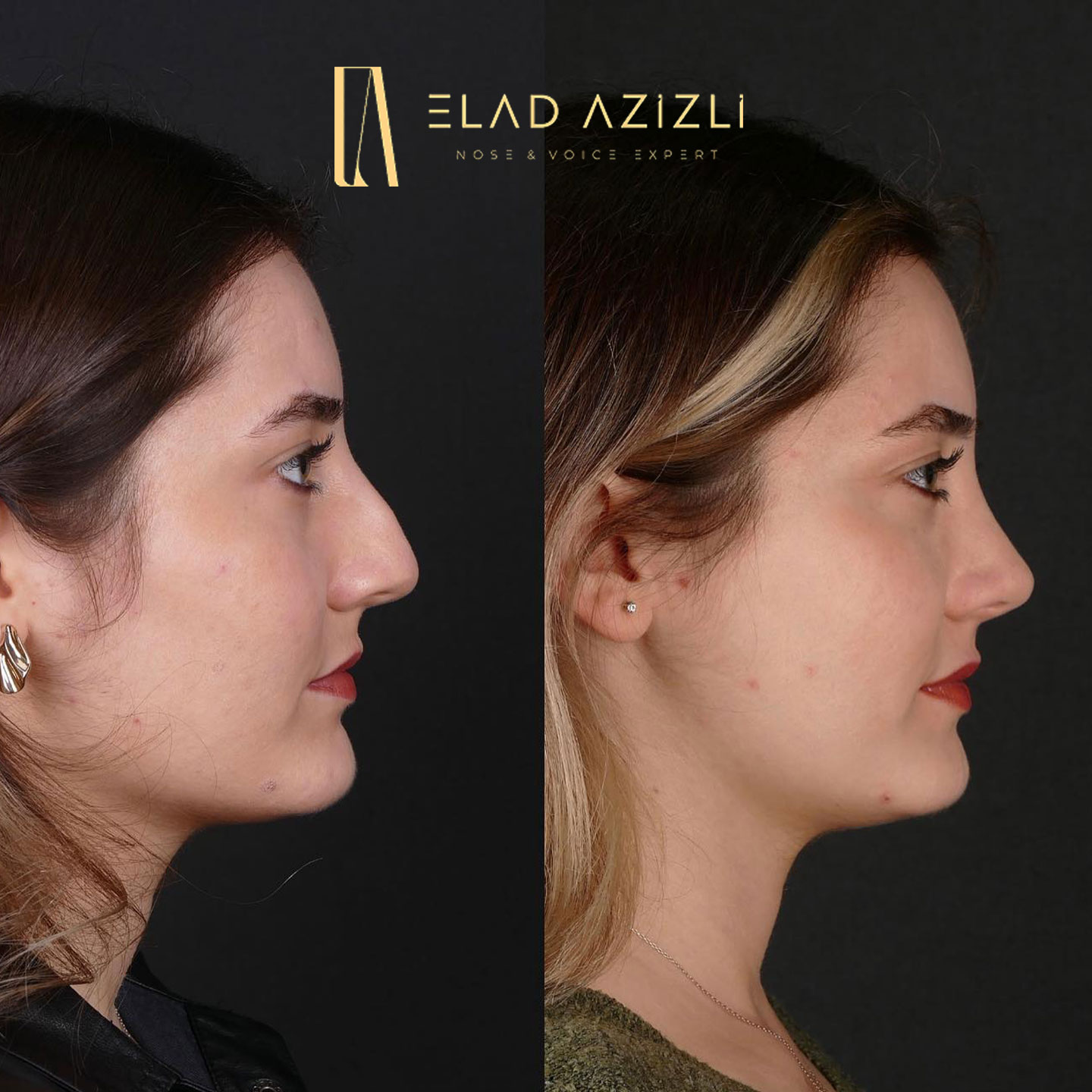
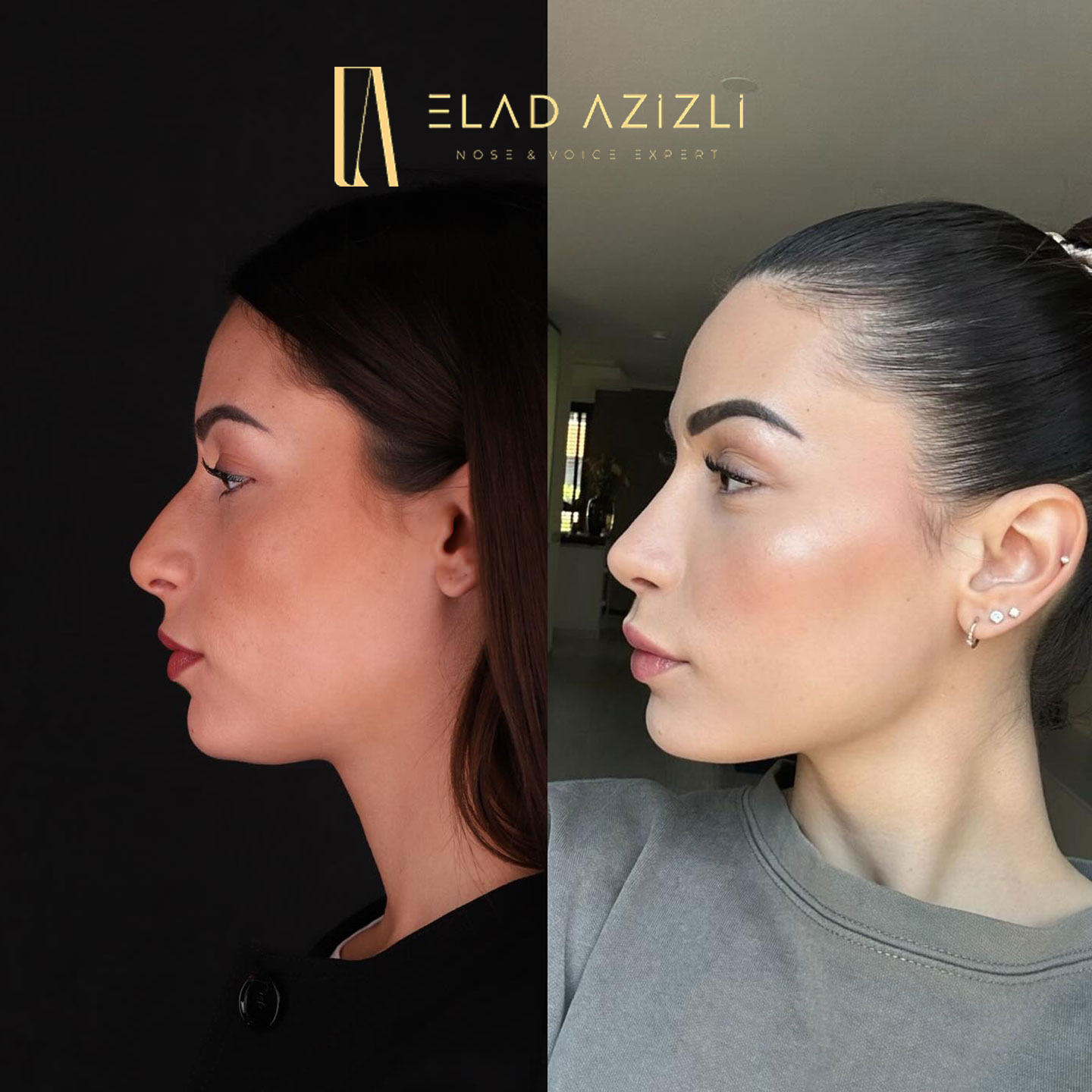
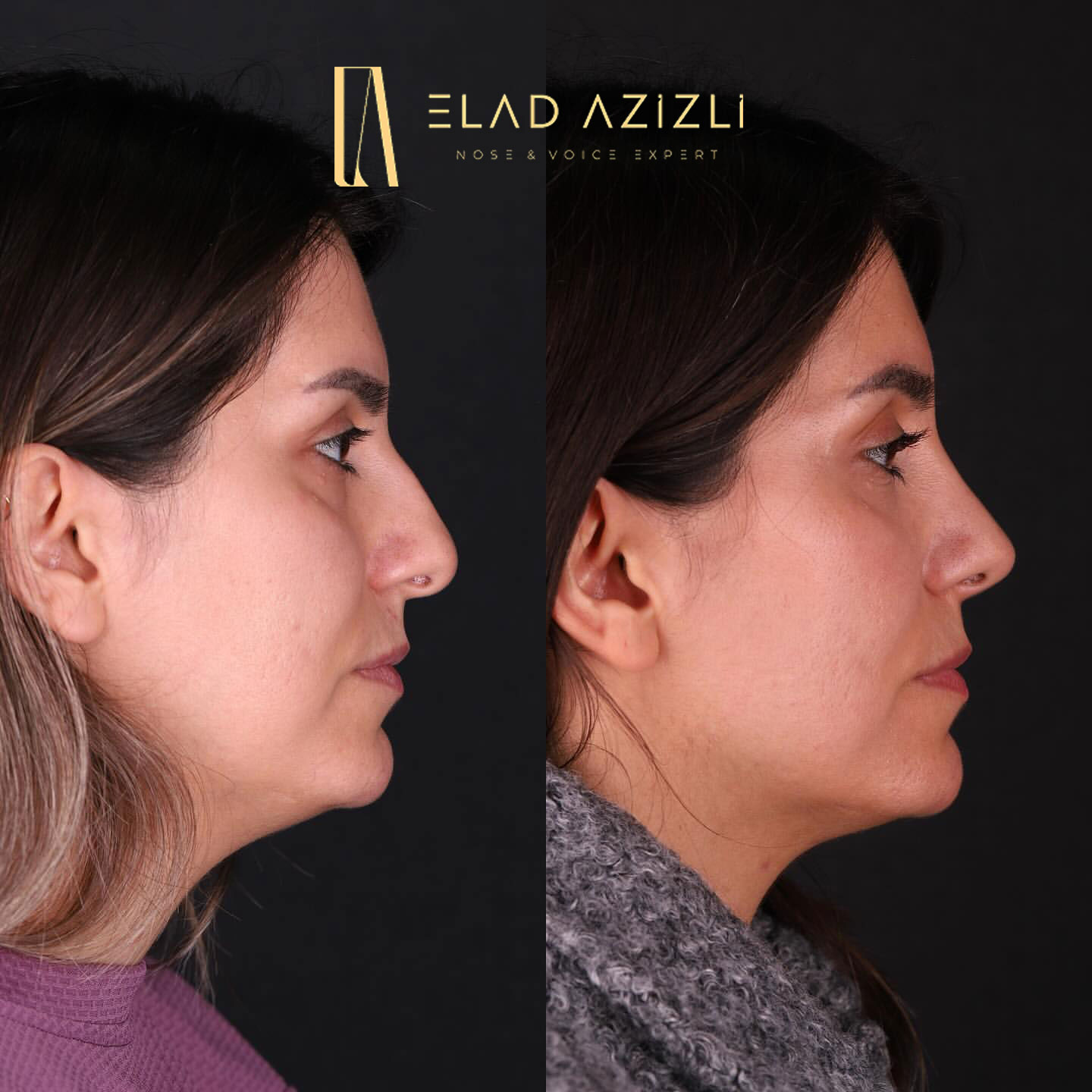
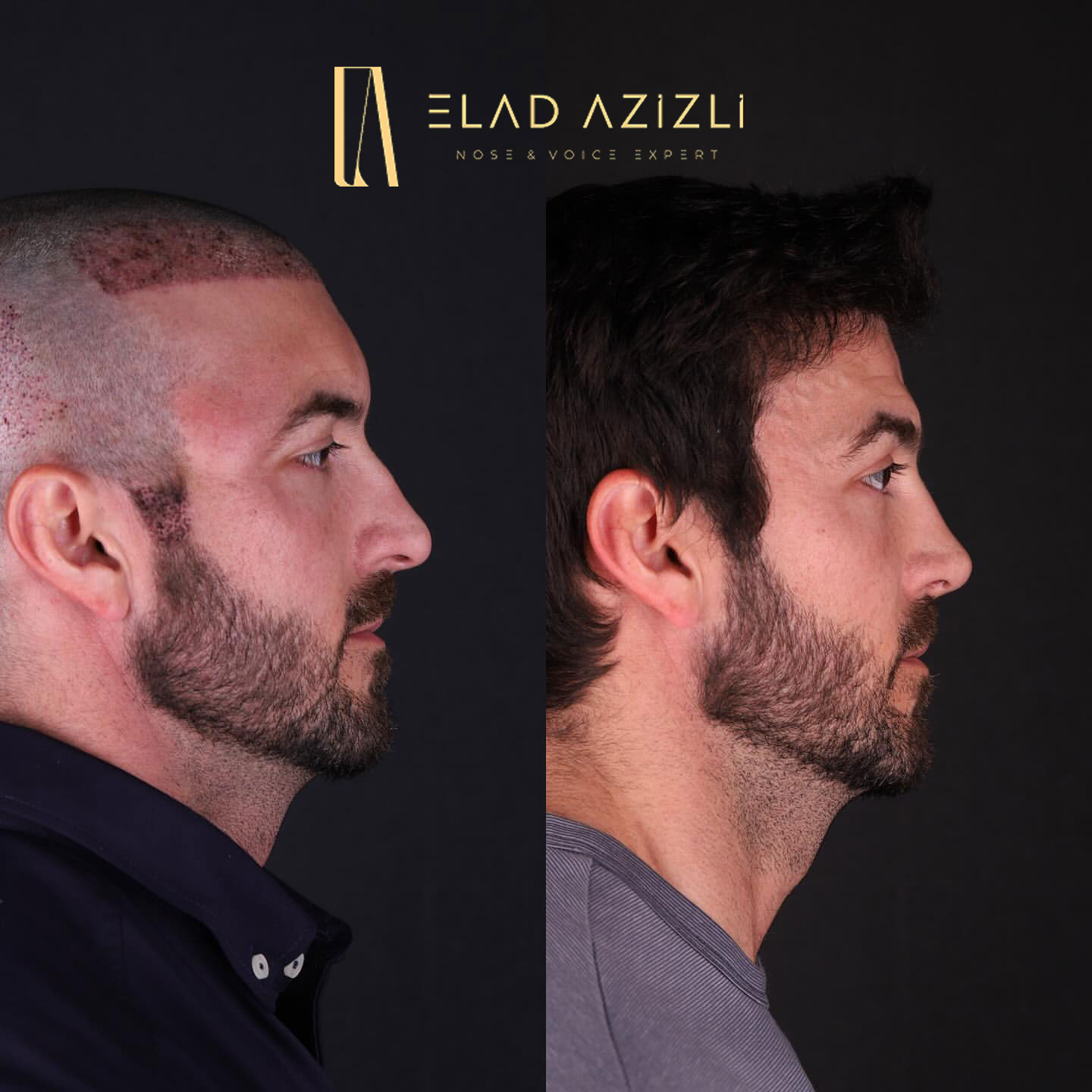
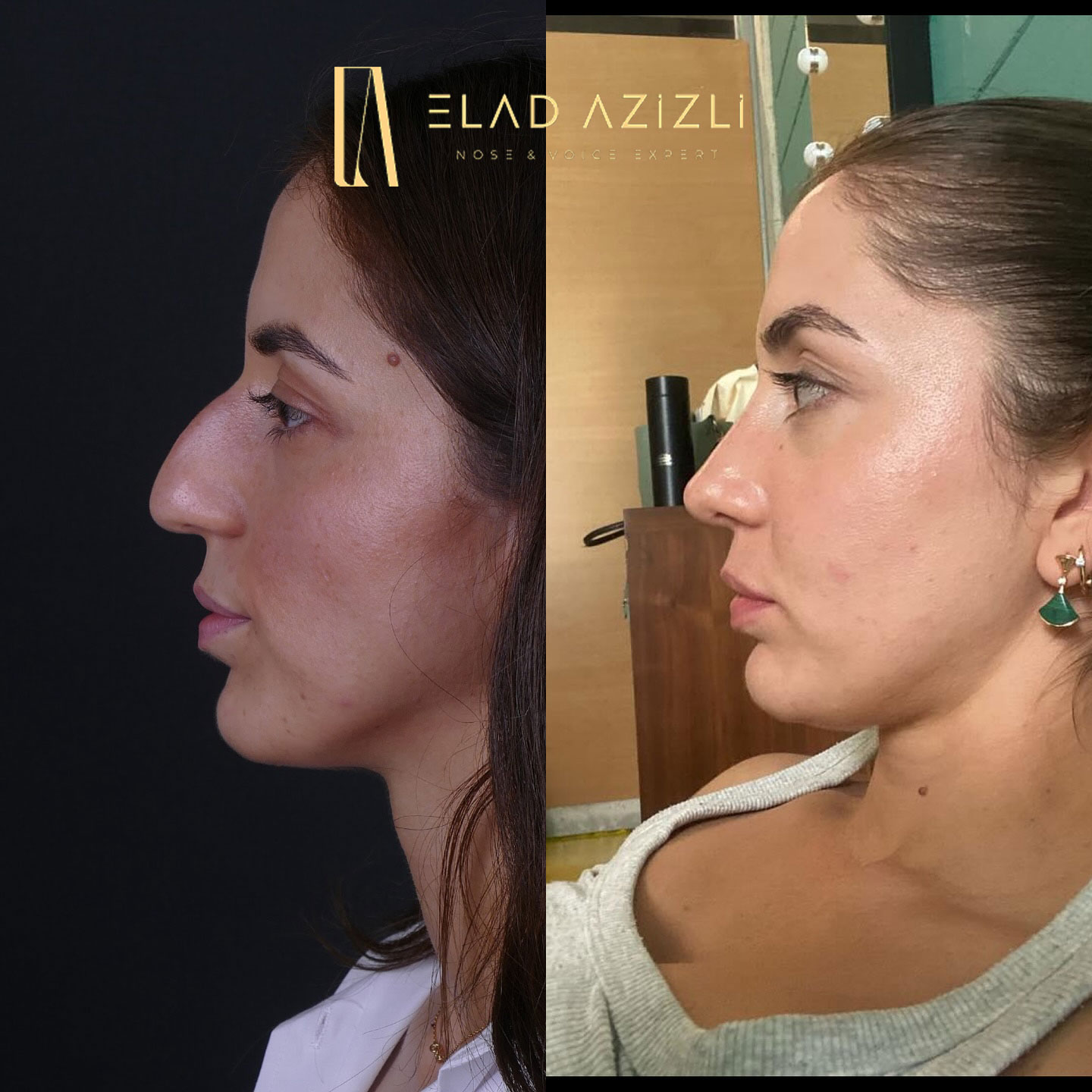
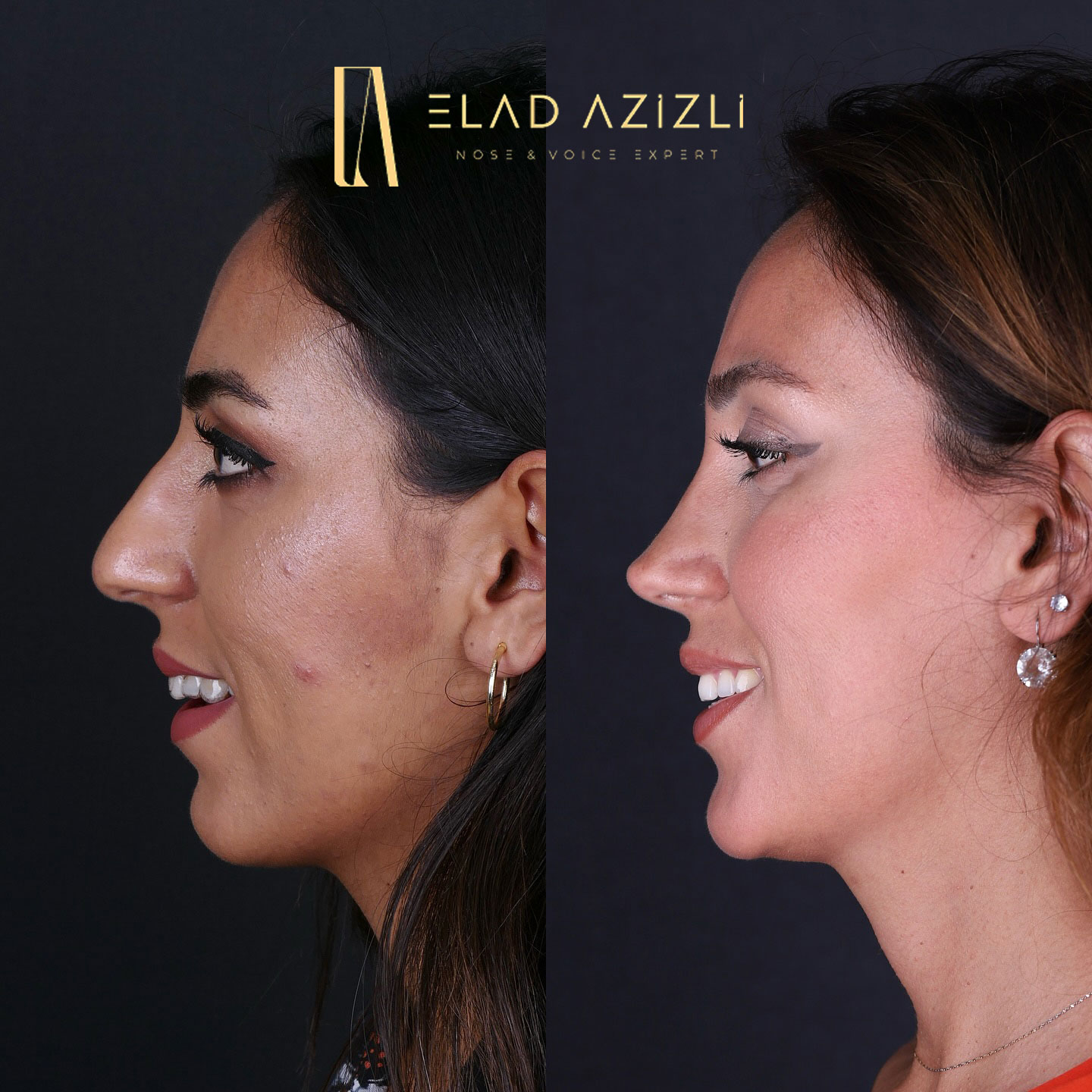
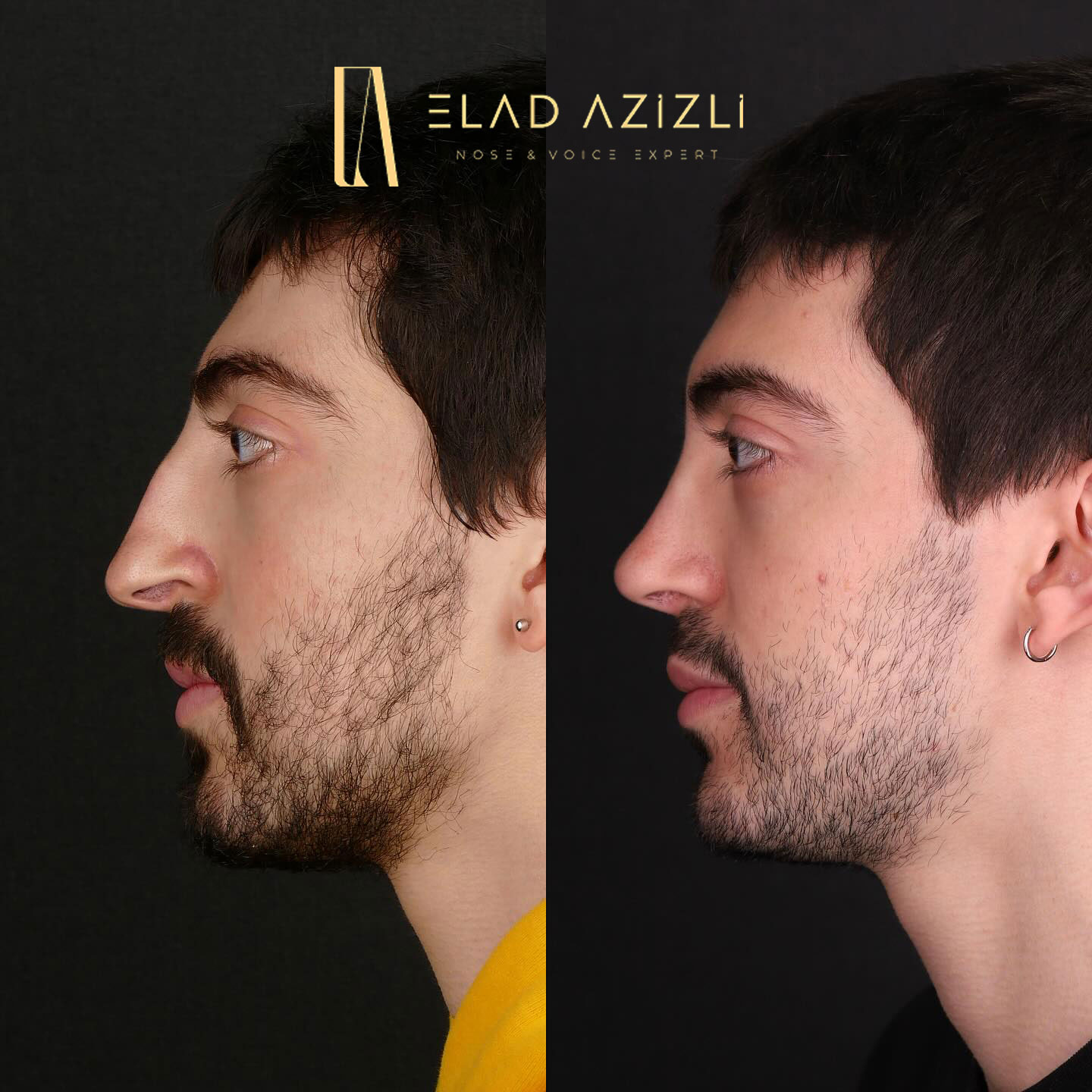
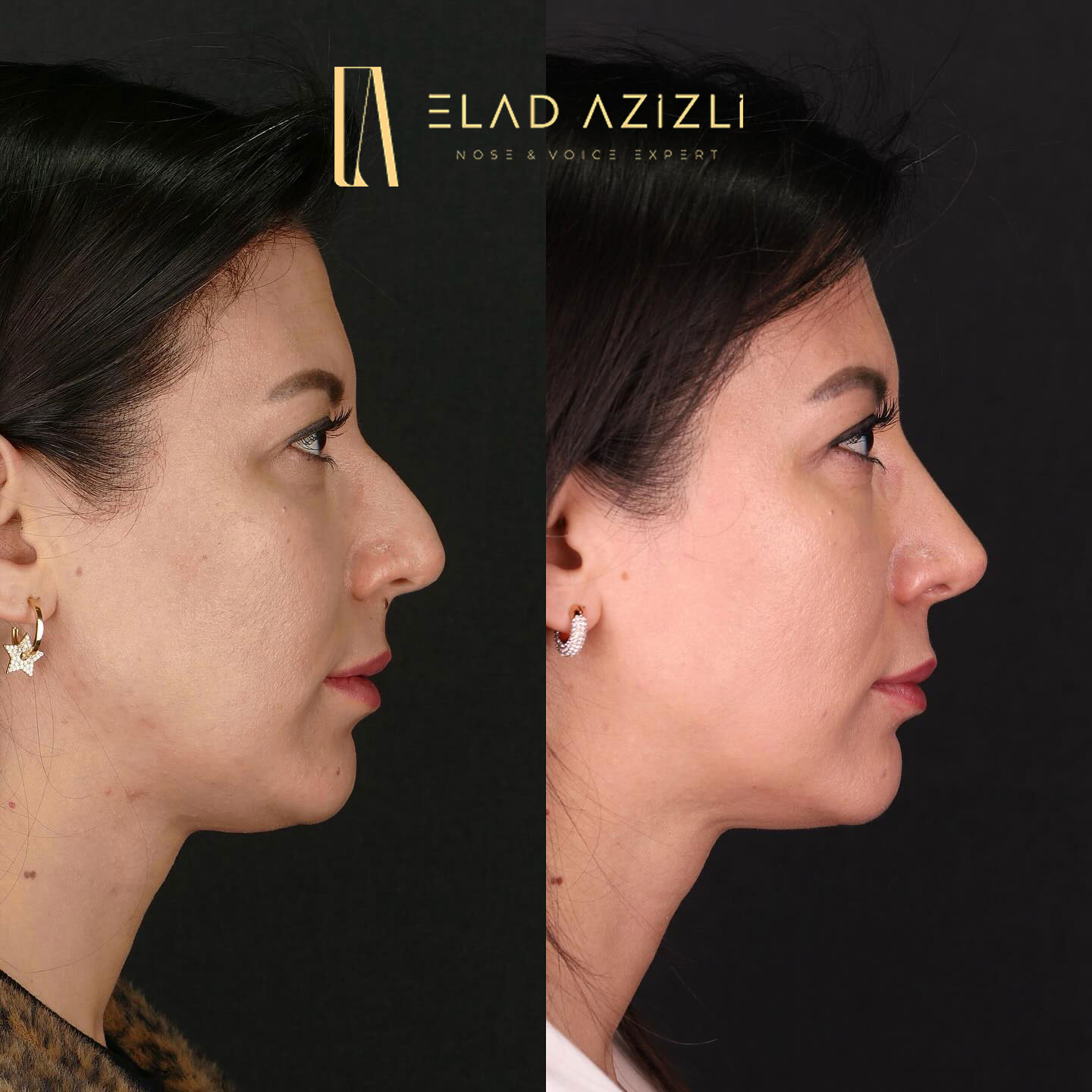
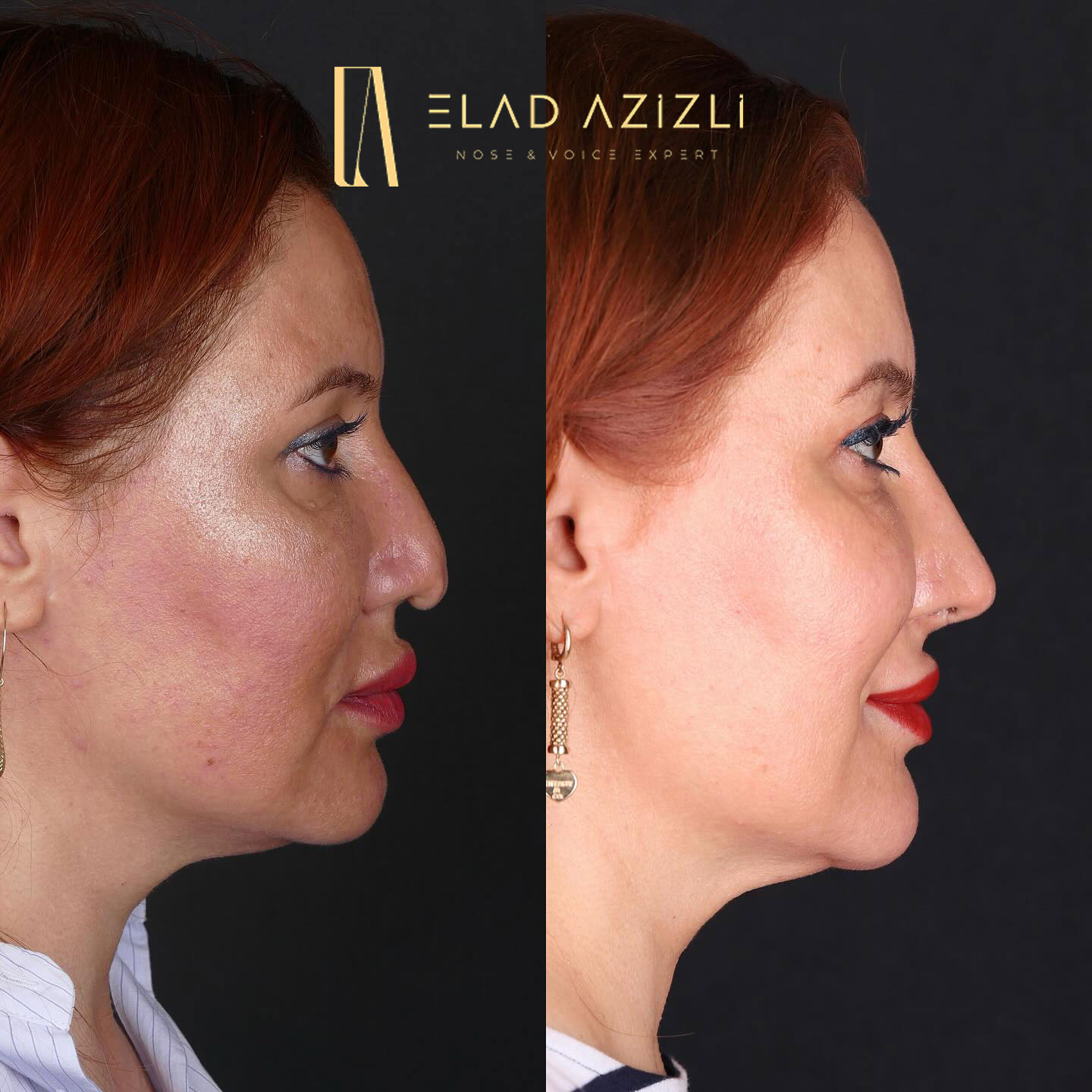
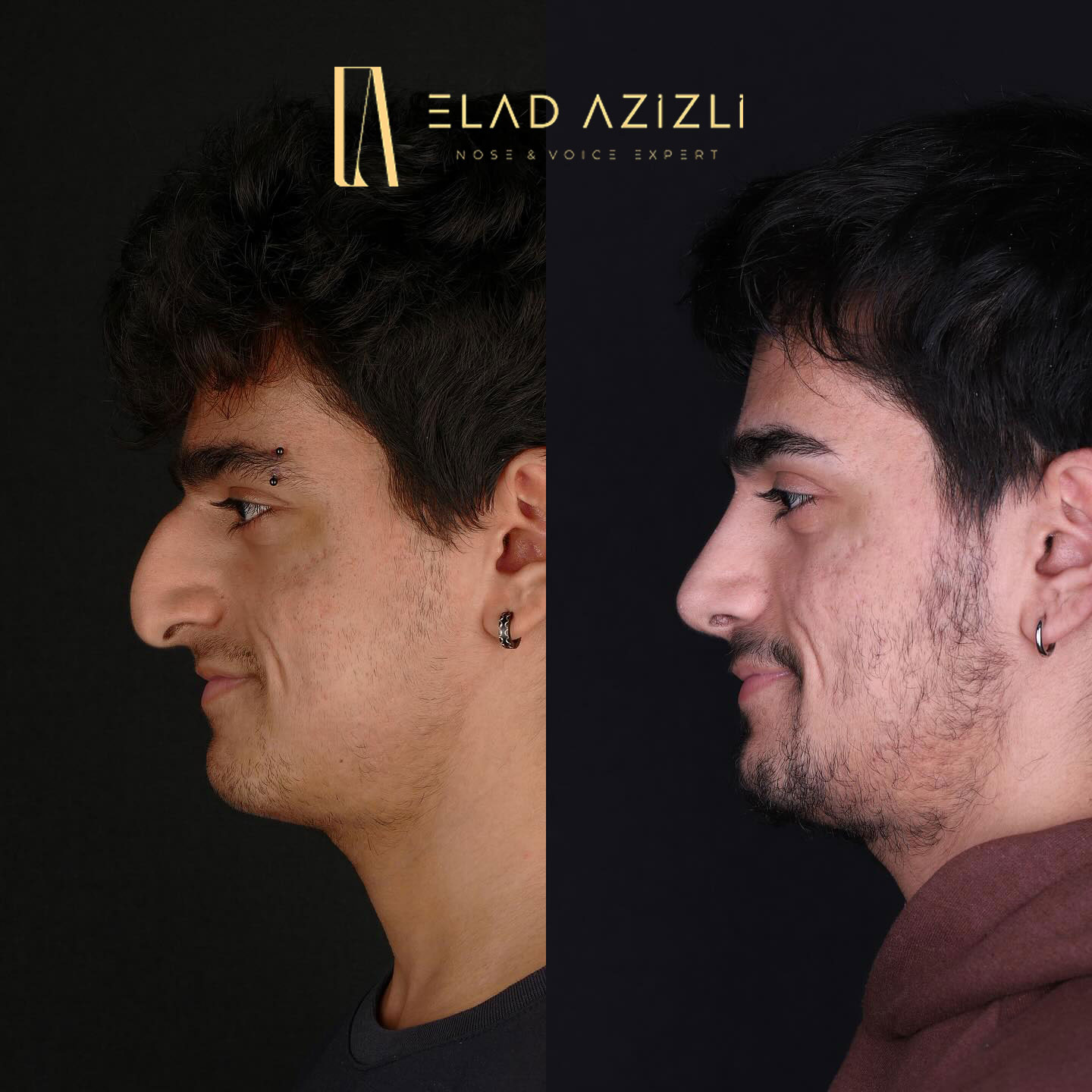
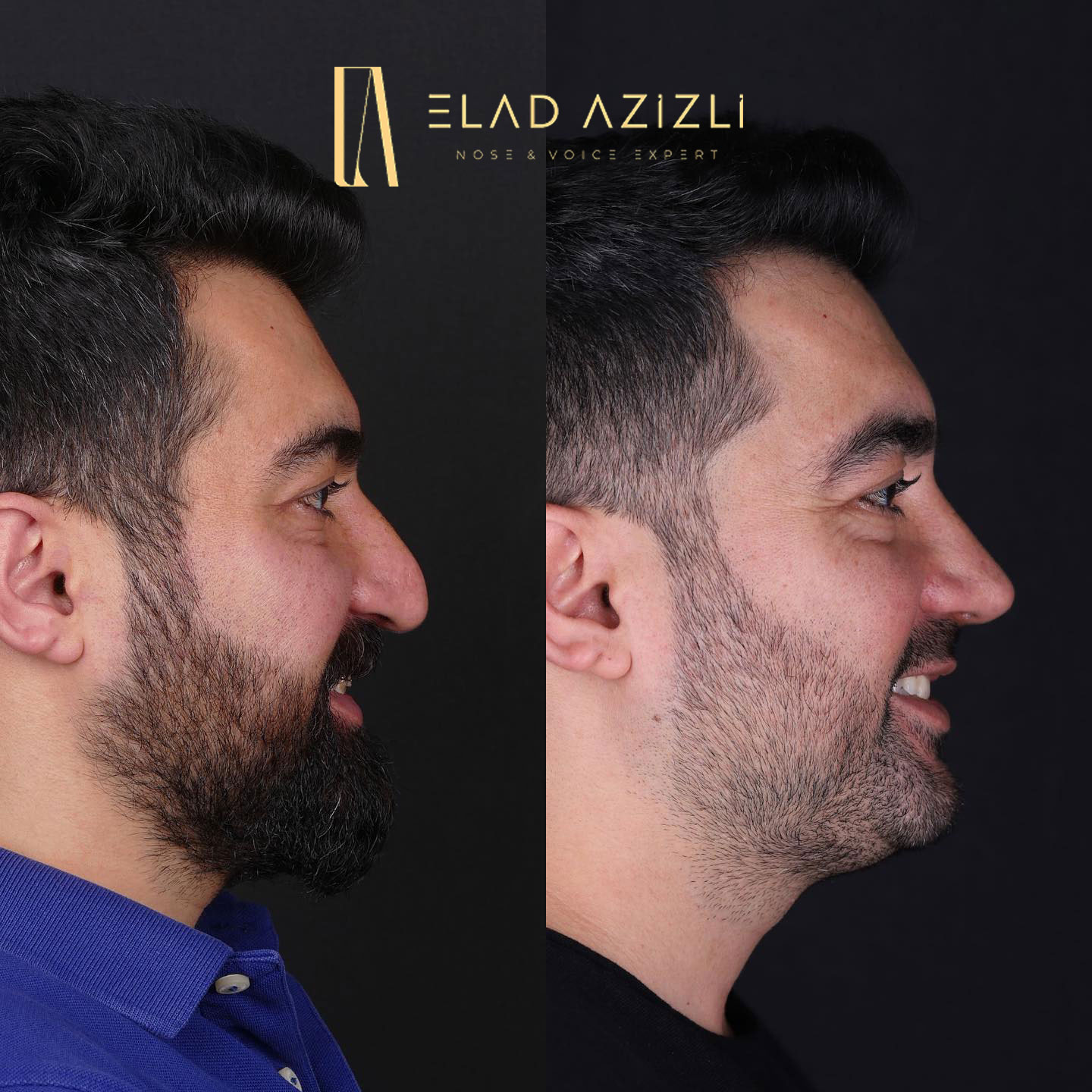
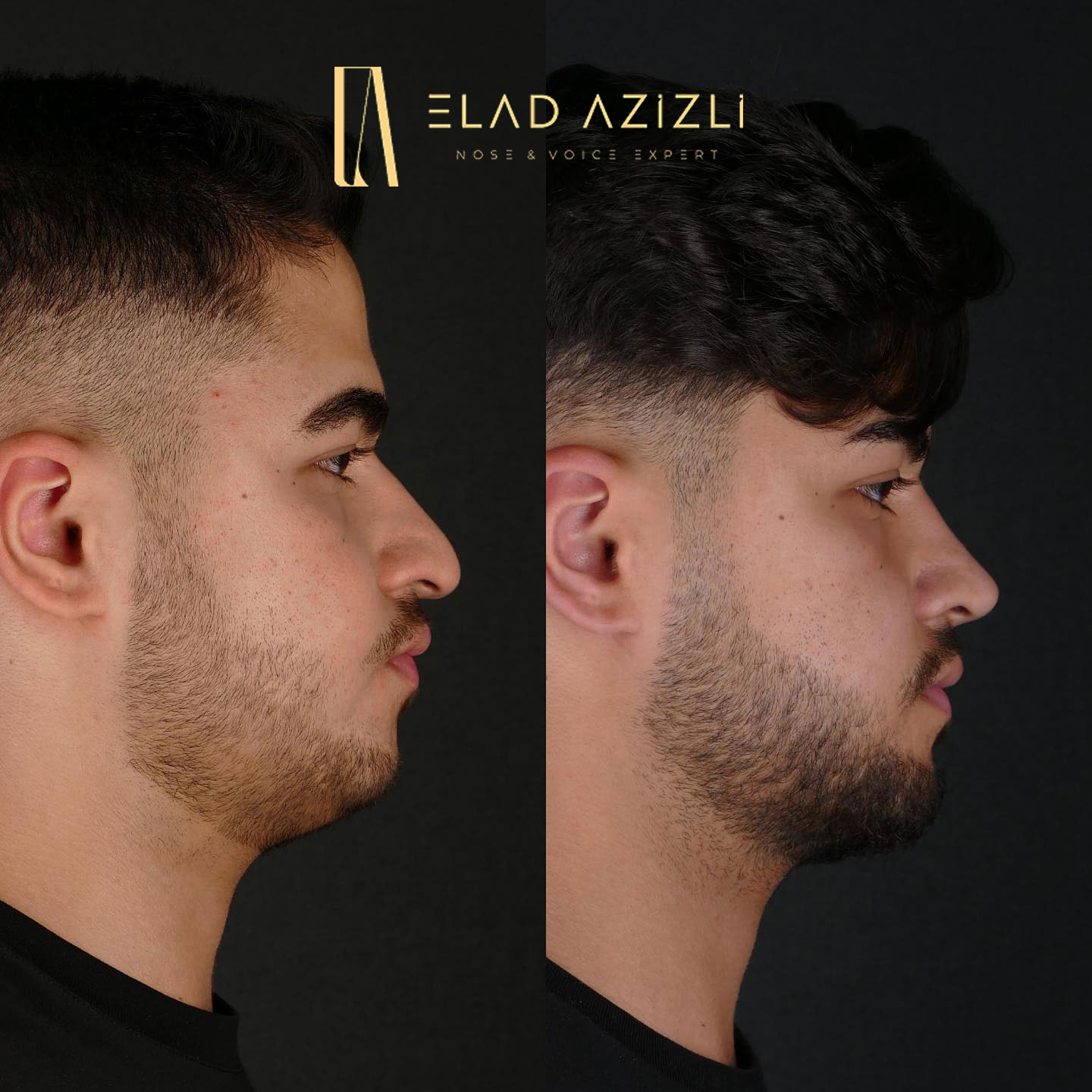
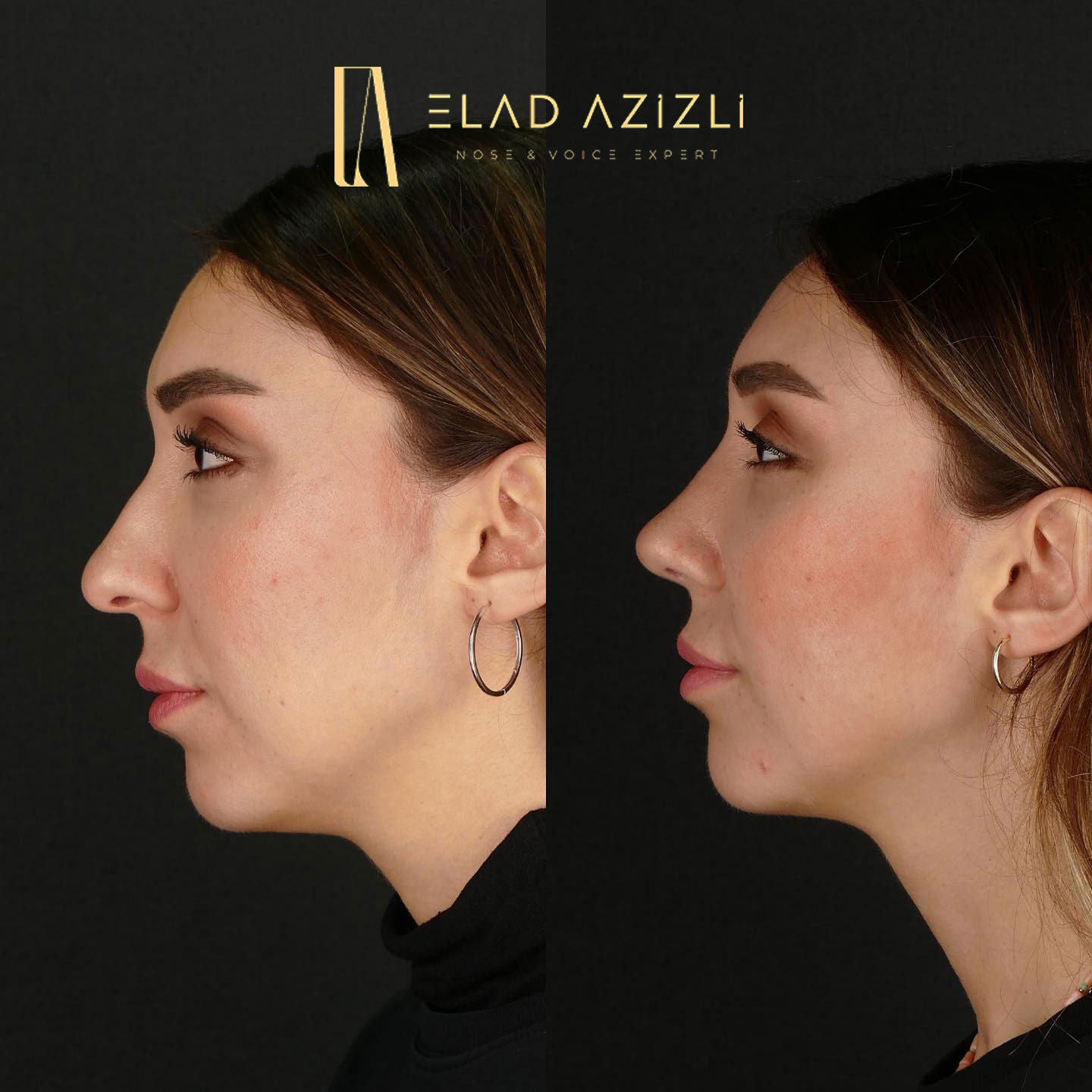
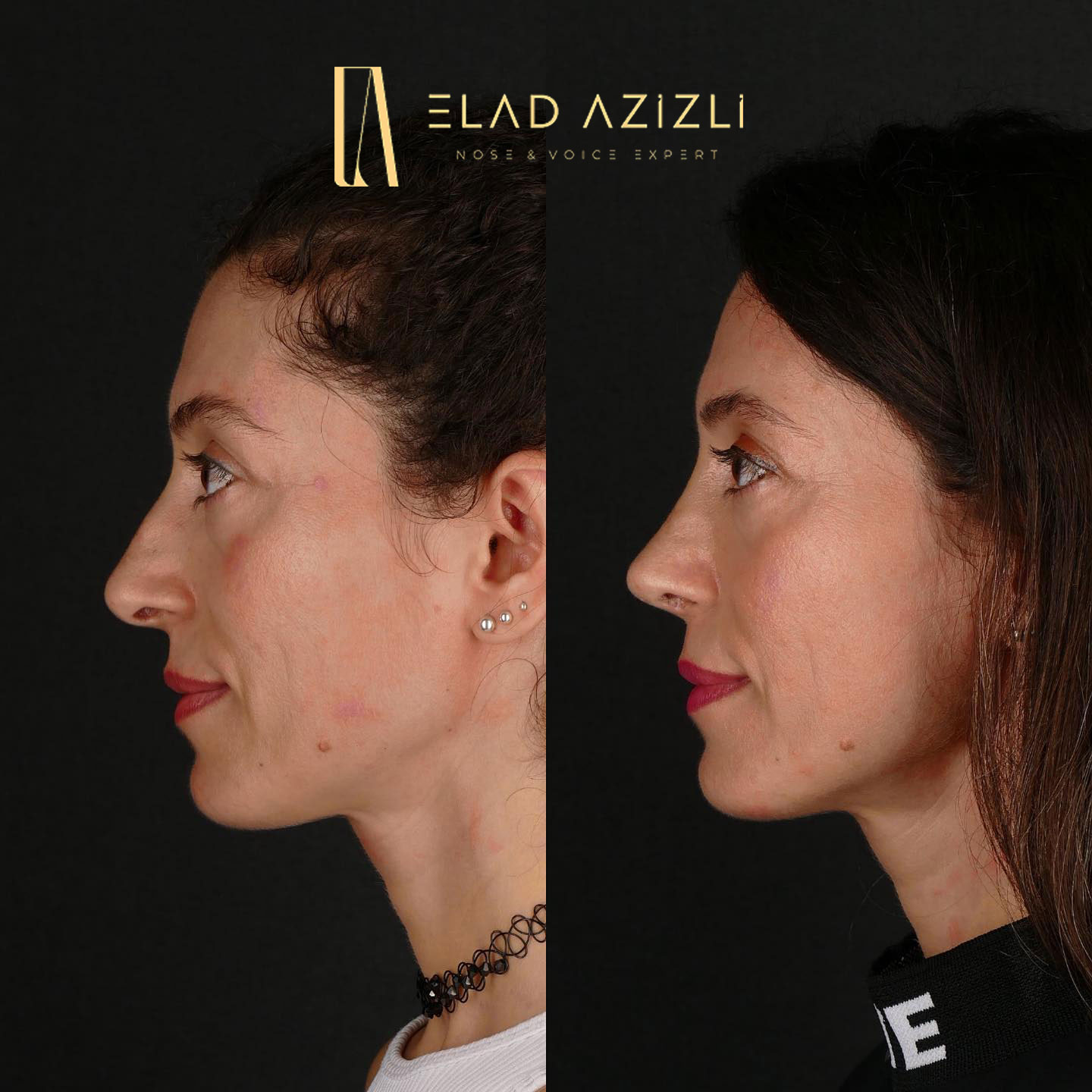
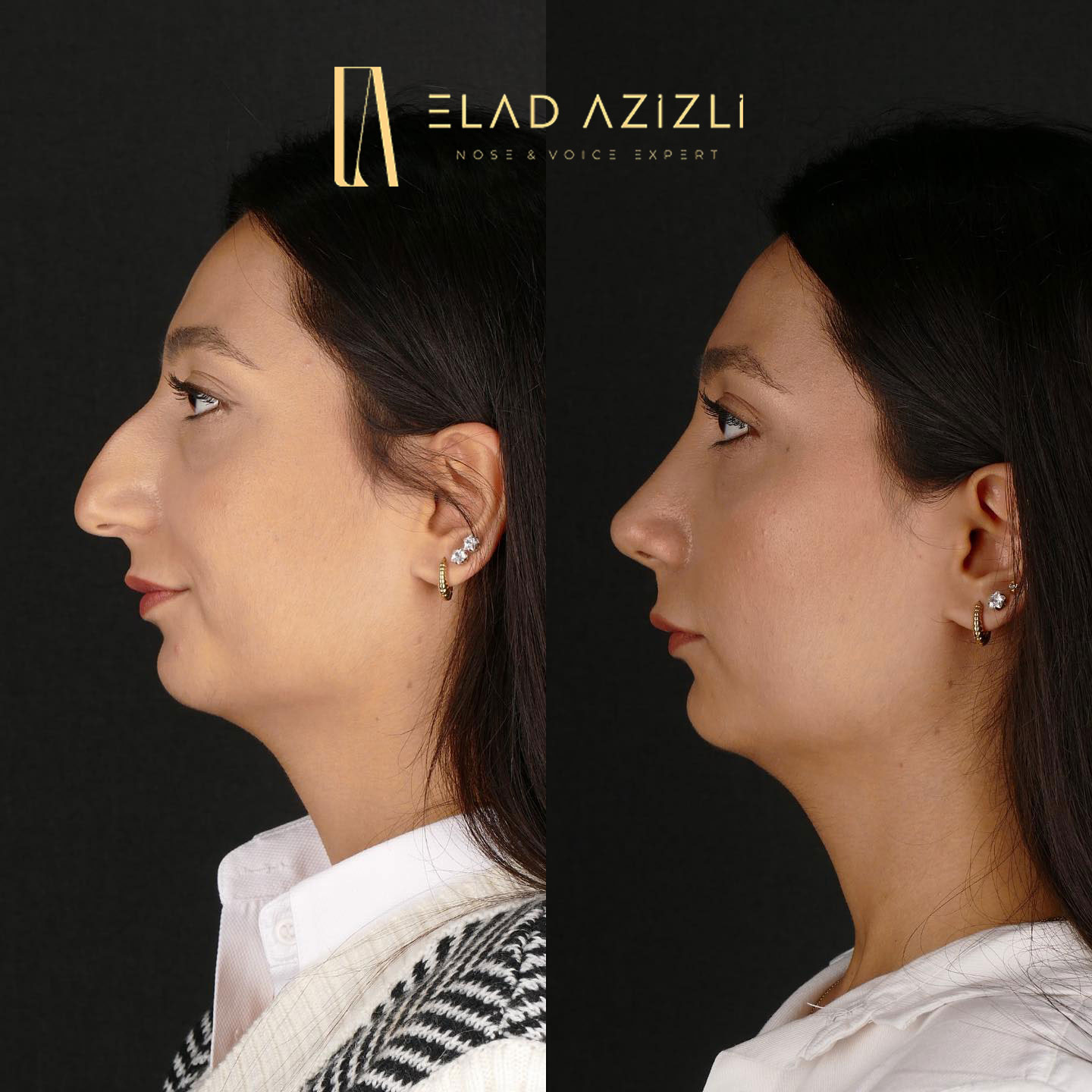
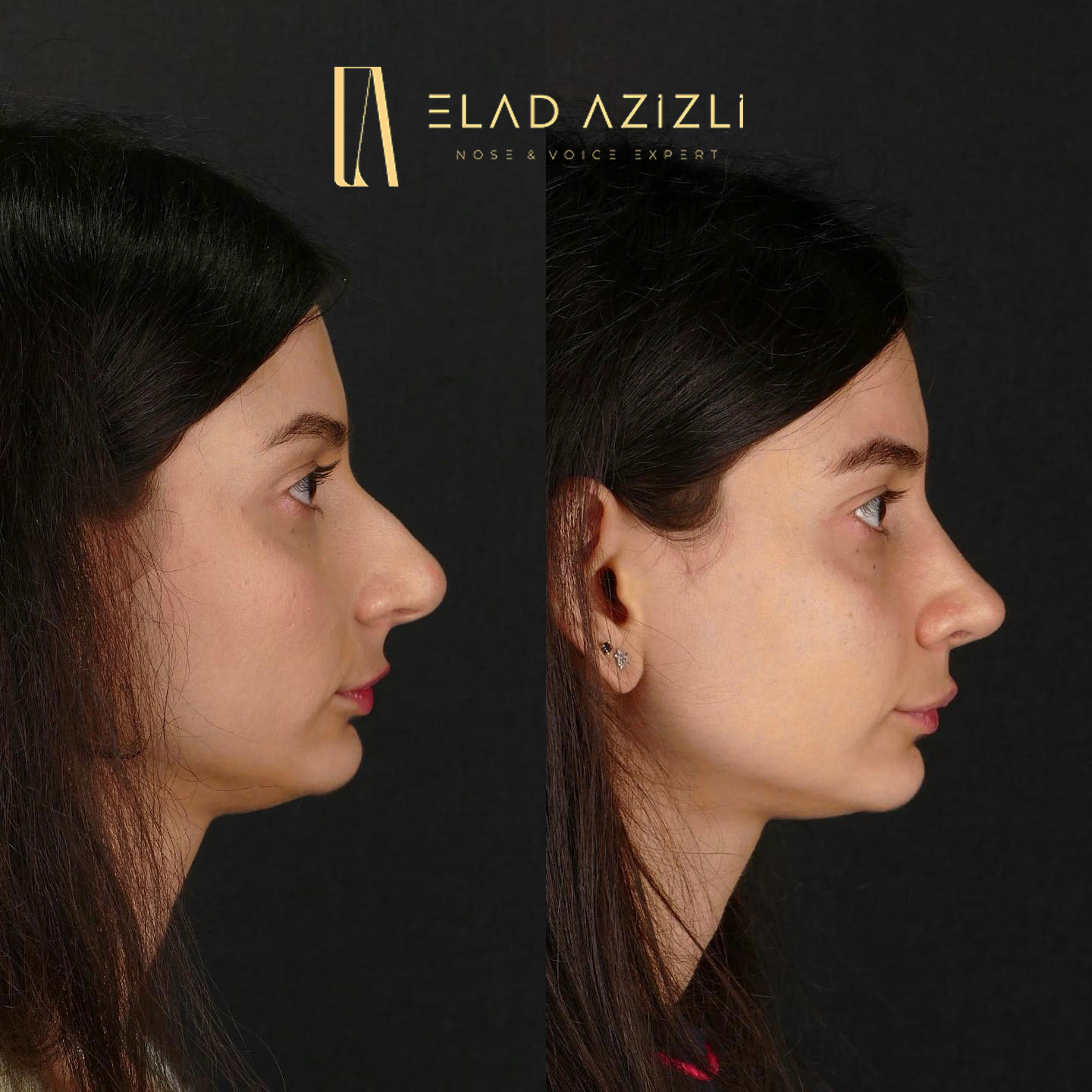
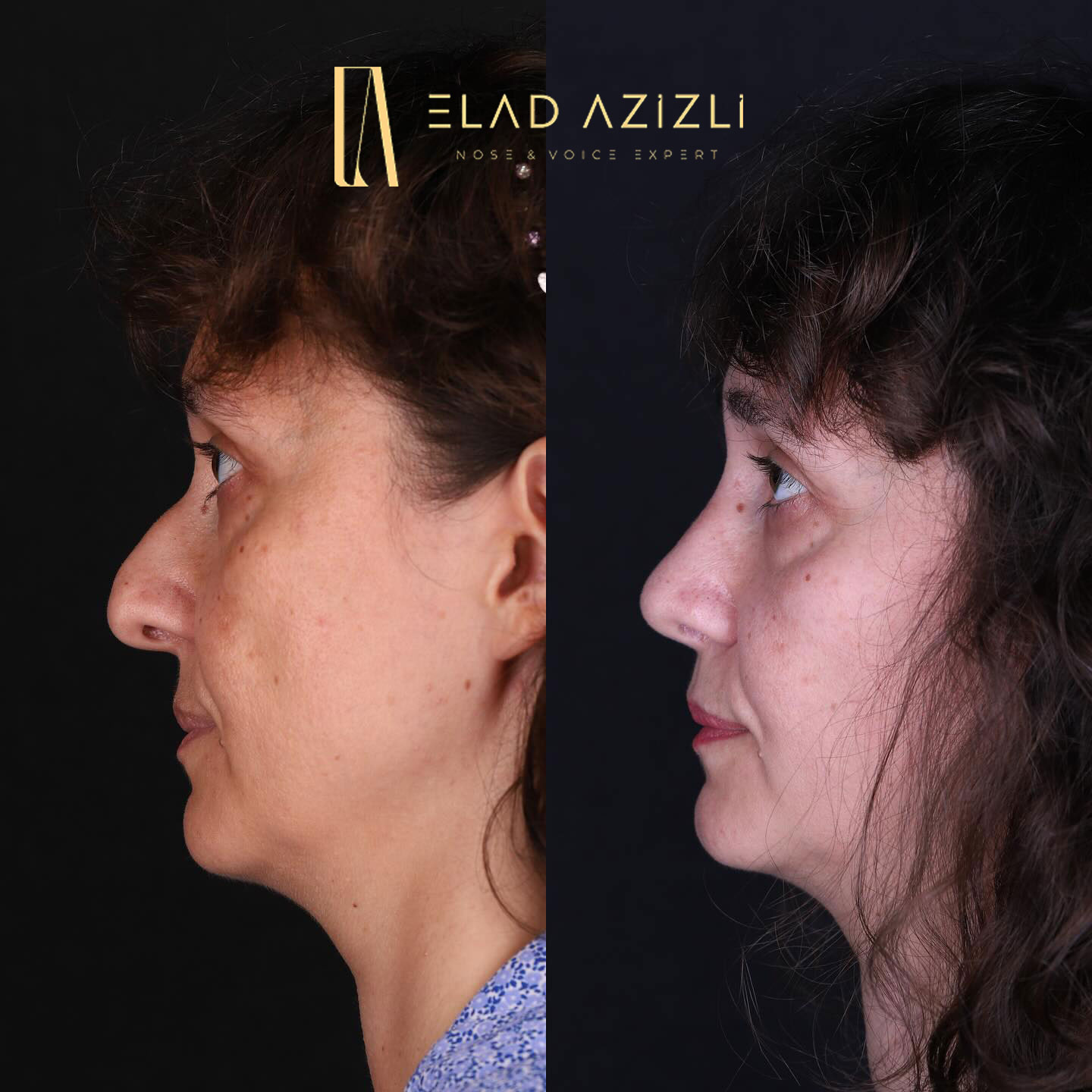
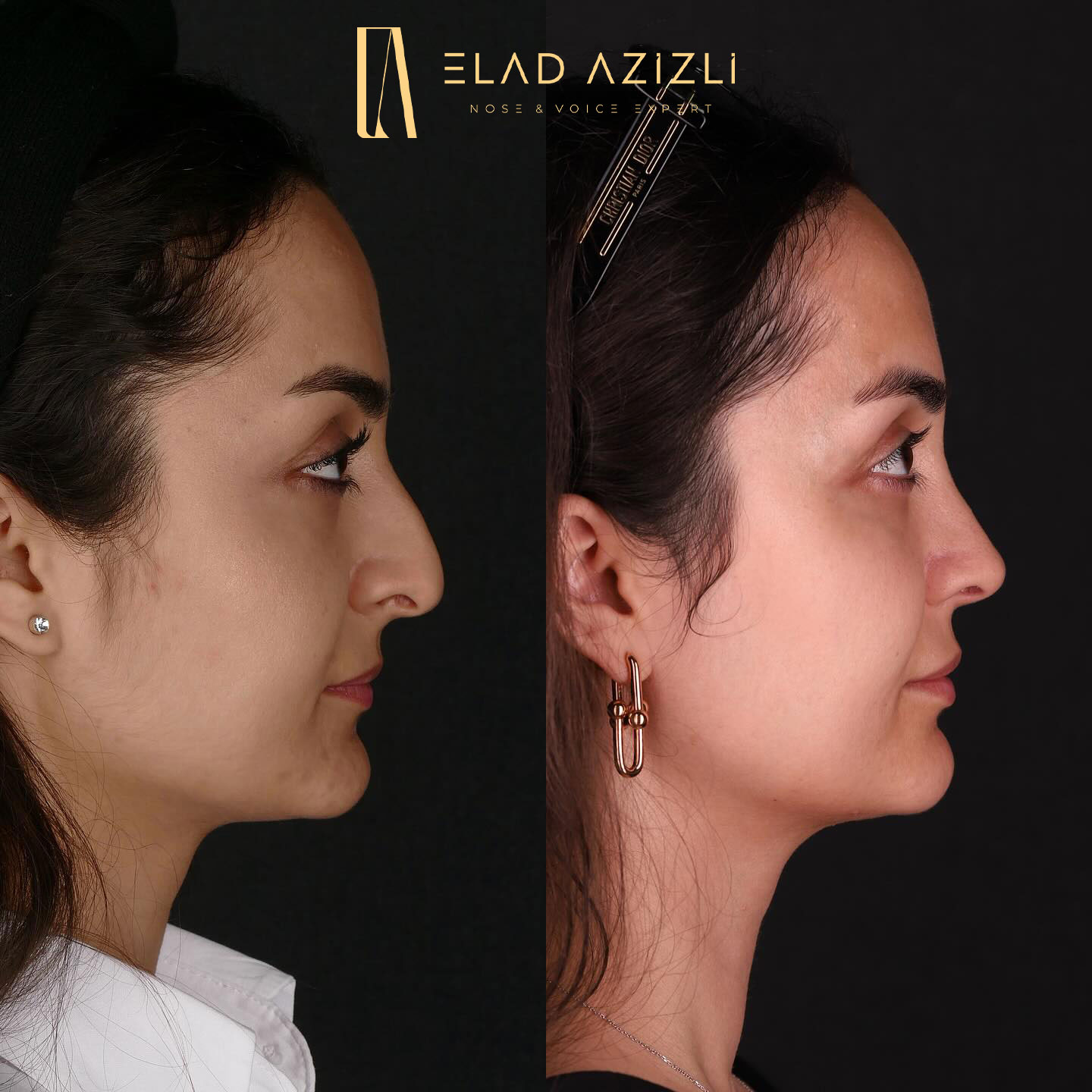
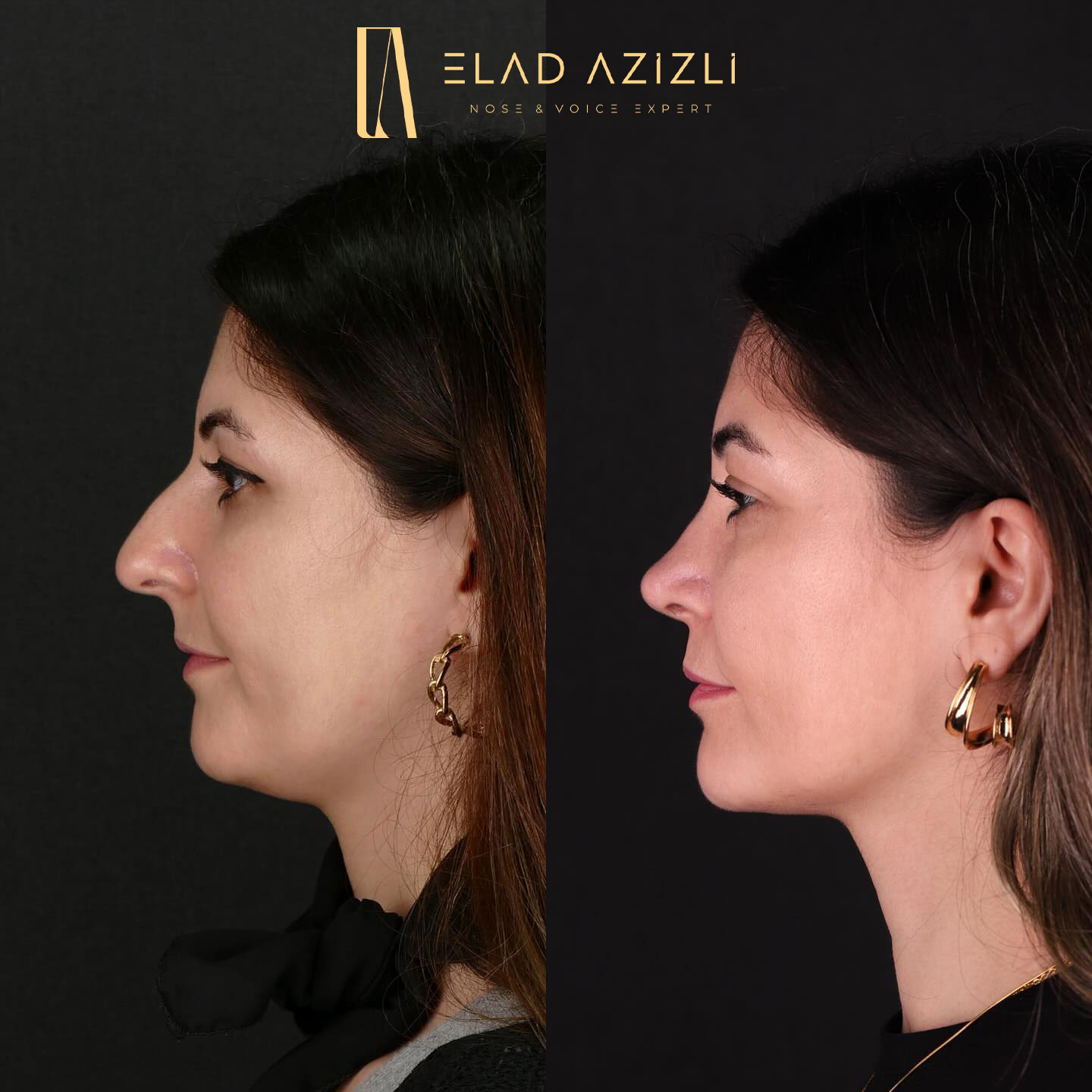
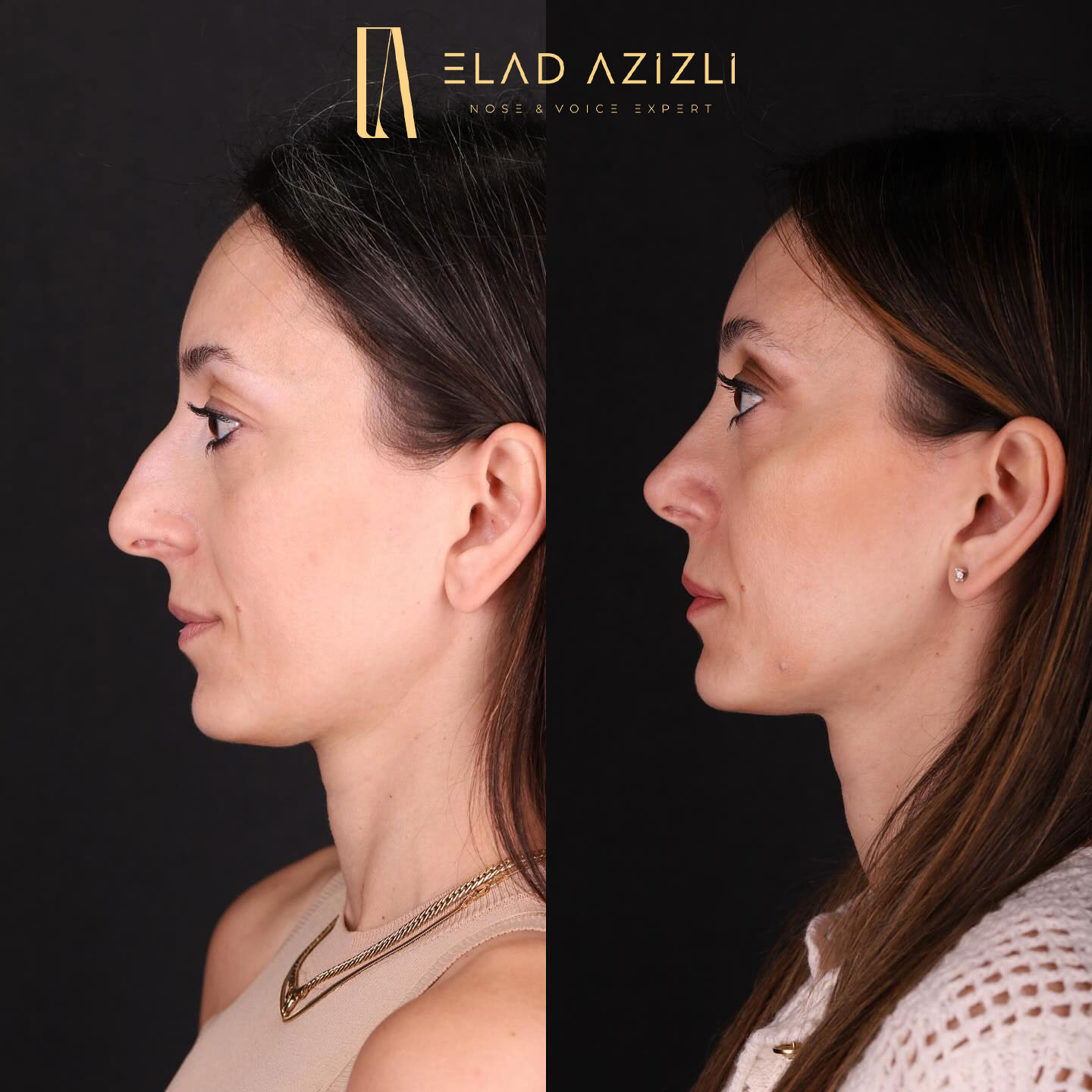
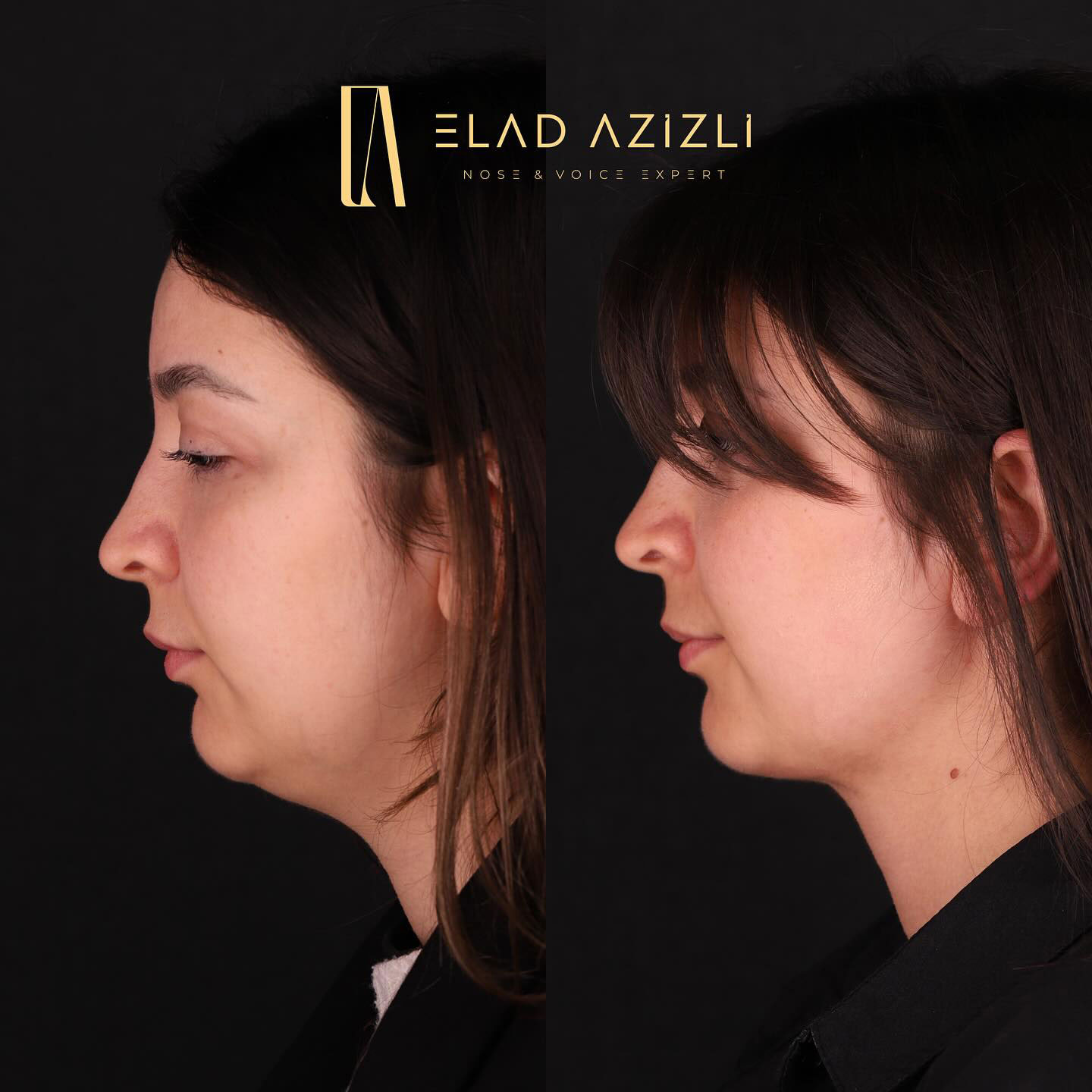
Revision Rhinoplasty
Structural and deformational disorders such as curvature, asymmetry, arched structure in the dorsal bone, congestion, nasal tip fall, collapse of the nasal support, which is the most important factor of facial beauty and aesthetic appearance and enables the respiratory tract to function comfortably, have led people to seek to correct and functionalise it.
Rhinoplasty surgeries do not produce the same positive results in all patients. Afterrhinoplasty; wrongful intervention, deformations arising from the person’s nasal structure or dissatisfaction with the appearance A second or third intervention may be neededdue to the need for a second or third intervention.
Revision Rhinoplasty; It is a subsequent surgical operation performed to eliminate the problems and dissatisfaction caused by previous rhinoplasty surgeries. Although the operation performed to correct the negative results of the surgery performed by another surgeon is called “Secondary Rhinoplasty”, the general common use is “Revision Rhinoplasty”.
If the intervention is small touches in the form of filing or filling with filler to a limited area, it is called Touch up or minor (minor) revision, and if the nose structure will be reshaped (sometimes with ribs and ear cartilage), it is called major revision rhinoplasty.
Are There Risks of Revision Rhinoplasty?
The problem of scar tissue from the first rhinoplasty can often be seen after revision rhinoplasty. Patches (grafts) are often used to eliminate this problem.
In addition, in revision rhinoplasty, there is usually a need for cartilage placement or filling in the nose. In the majority of patients who have rhinoplasty for aesthetic purposes, there is a prejudice that the first surgery was unsuccessful in the phase of getting used to their appearance. Before the revision rhinoplasty decision is made, this prejudice must first be overcome. It is best to leave the decision about whether intervention is necessary to the specialist.
As in the first rhinoplasty, the surgeon has a limited chance of making mistakes in revision rhinoplasty. The principle “It is more difficult to fix something than to do it” also applies to rhinoplasty. Revision rhinoplasty is a more demanding operation for the surgeon than the first rhinoplasty. Therefore, the experience of the surgeon becomes even more important in revision rhinoplasty. The surgeon who will perform the operation must have a good knowledge of anatomy and physiology and have a complete command of the current situation.
Revision rhinoplasty results in success according to the condition of the nose after the first rhinoplasty, the patient’s demands and the experience and skill of the surgeon.
When Is Revision Rhinoplasty Performed?
The side effects / complications seen in the patient after the first rhinoplasty, damage and deformations occurring in the nose, tissues and facial area, the appearance being different from the planned appearance due to incorrect application, the patient’s dissatisfaction with the new appearance are the biggest factors in deciding on revision rhinoplasty. However, in order to perform a healthy and risk-free revision rhinoplasty, it is recommended that 6 to 12 months have passed since the first rhinoplasty, depending on the patient’s condition.
As with any surgery, unexpected situations may occur after the first rhinoplasty, which may cause the operation to be defined as unsuccessful. After rhinoplasty
- Intranasal obstructions as a result of meat adhesion and meat growth,
- Narrowing of the air channels of the nose as a result of excessive removal of the nasal side cartilages, collapse of the side walls while breathing, problems in breathing, closure of the nasal roof (valve) during deep breathing…
 Türkçe
 РУССКИЙ
 Spanish
 Français