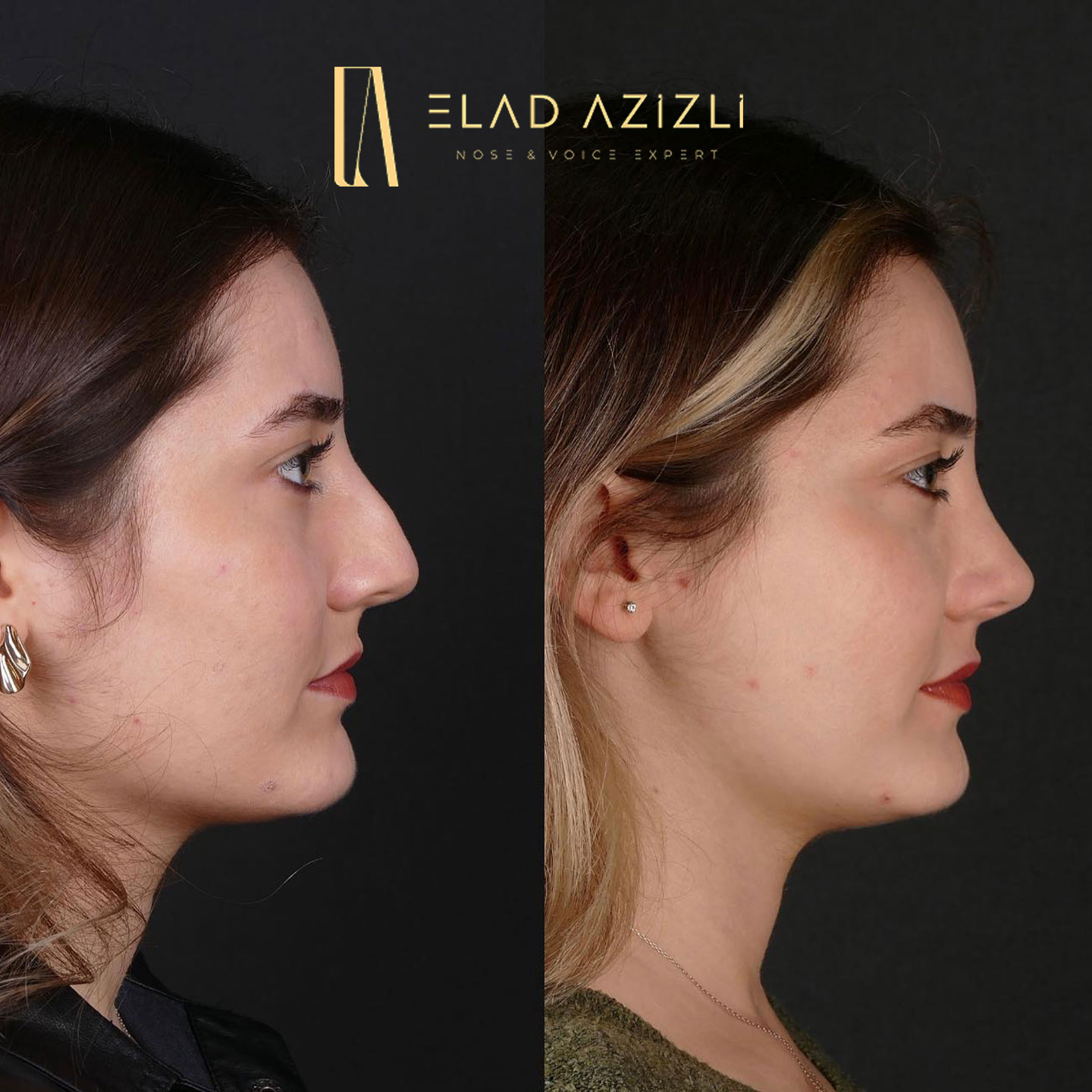
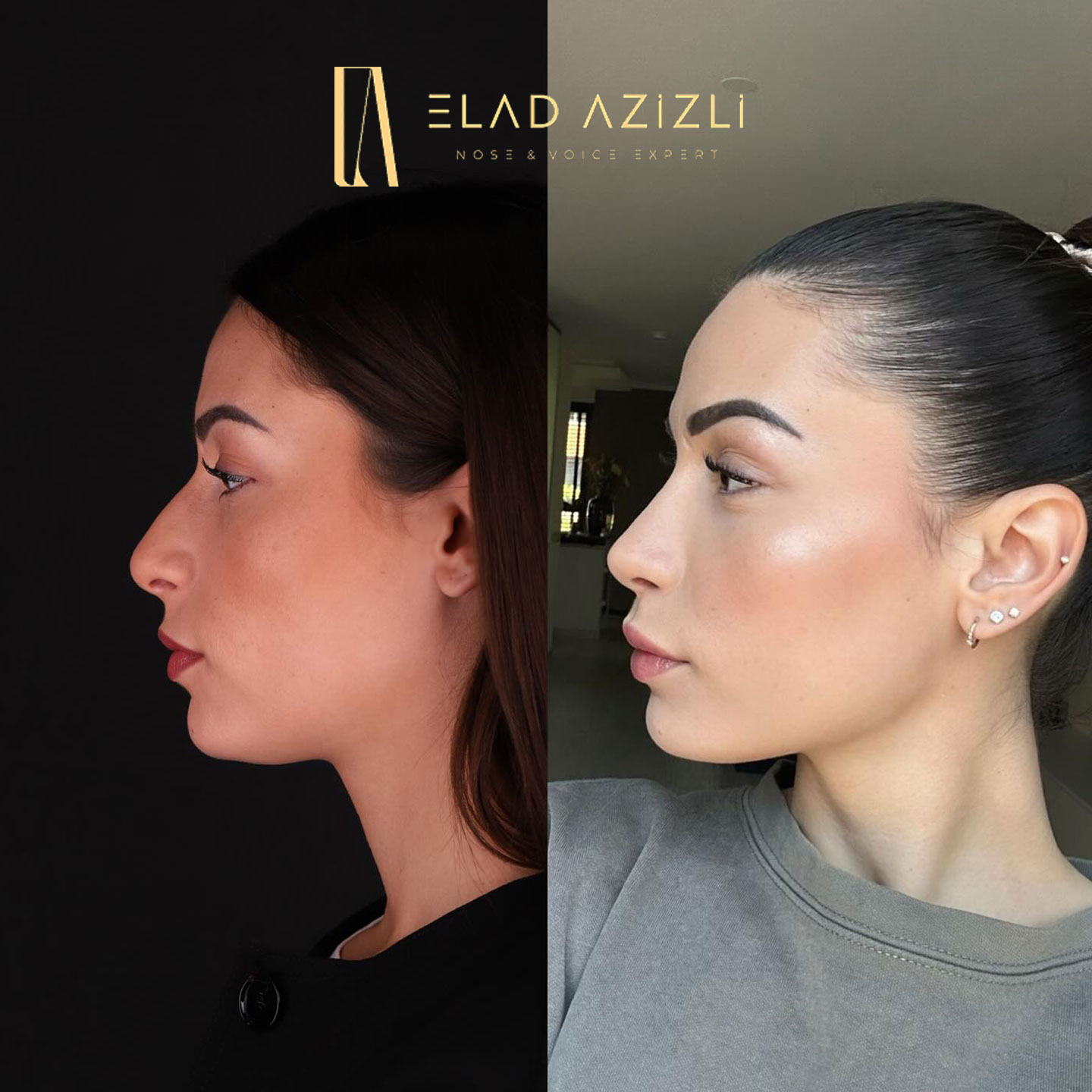
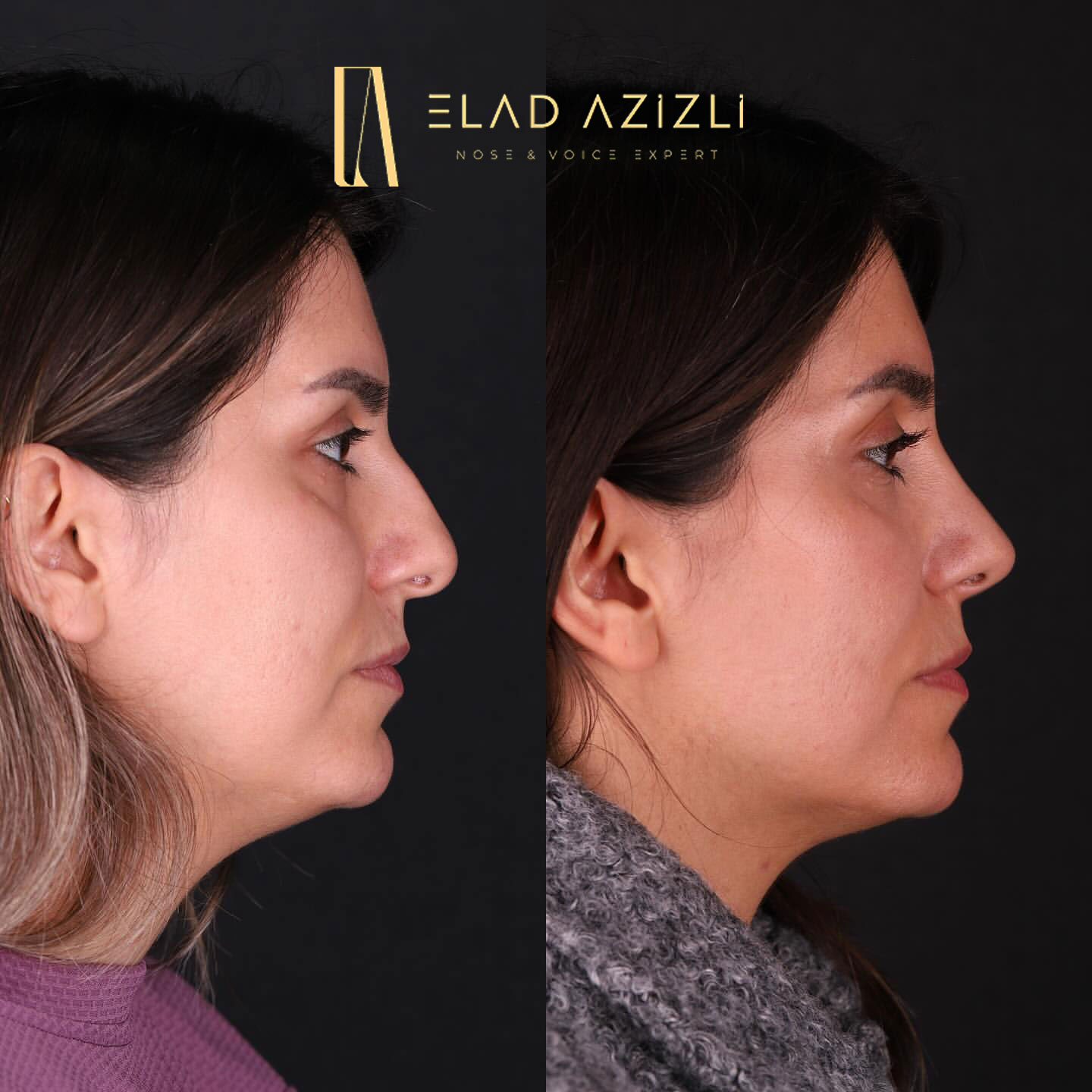
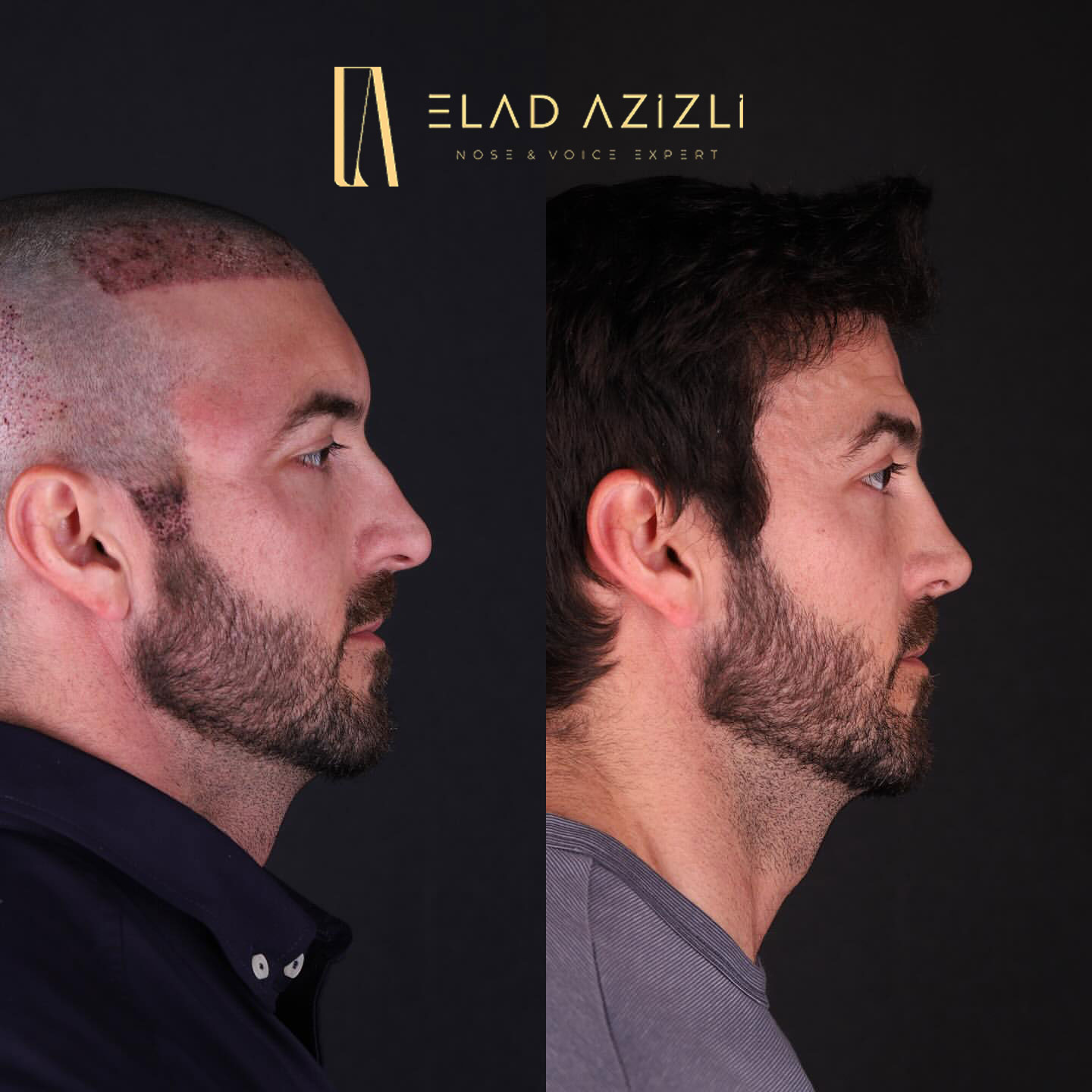
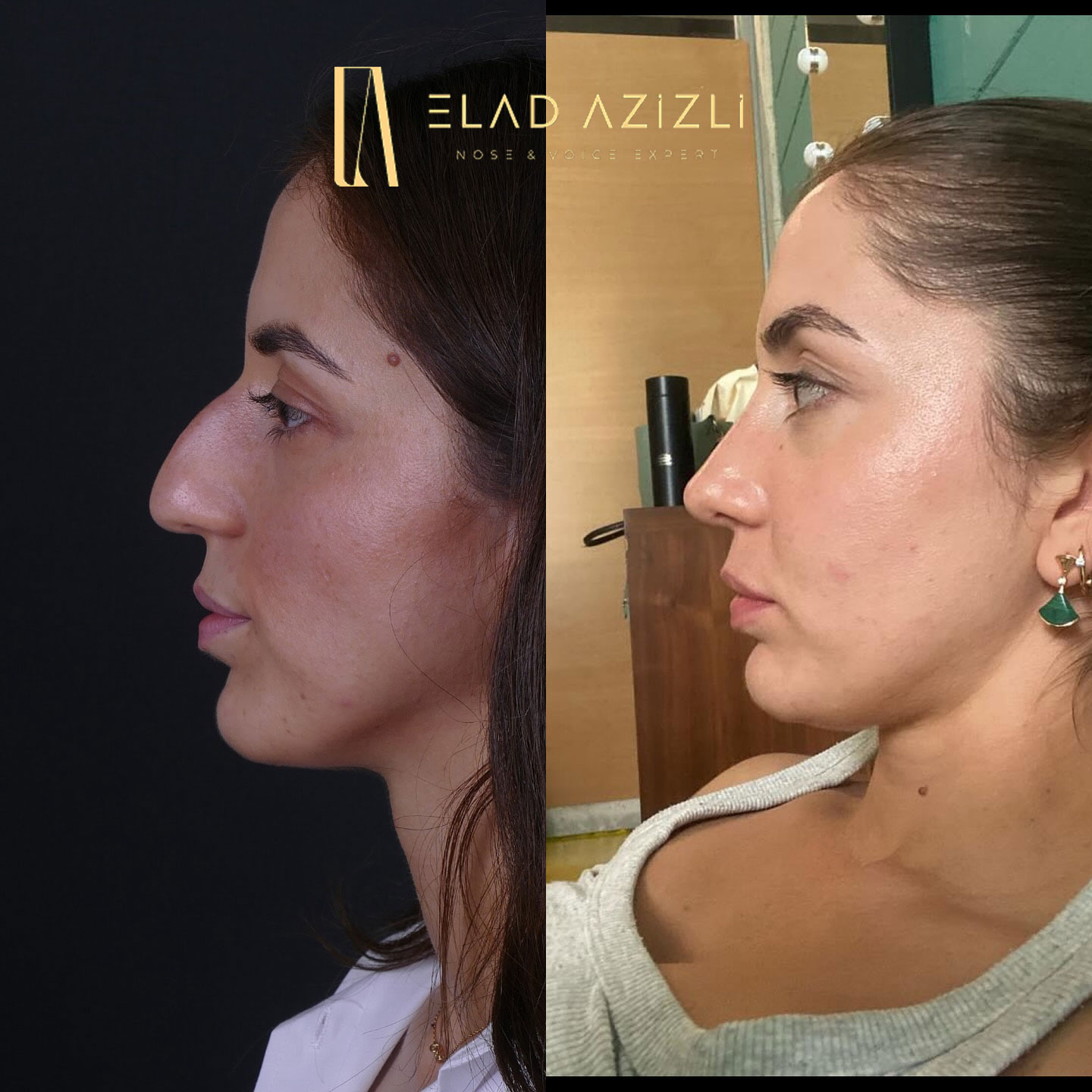
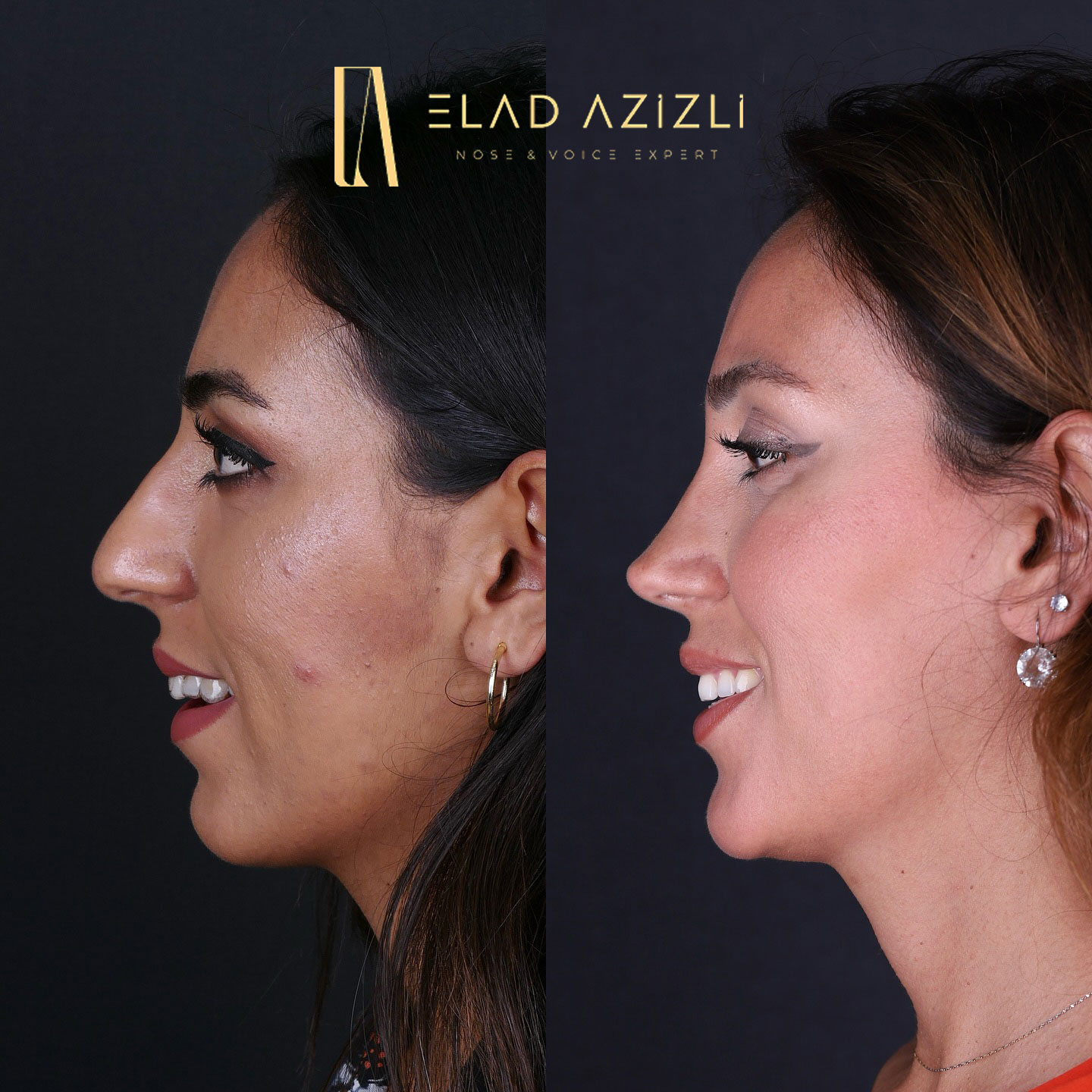
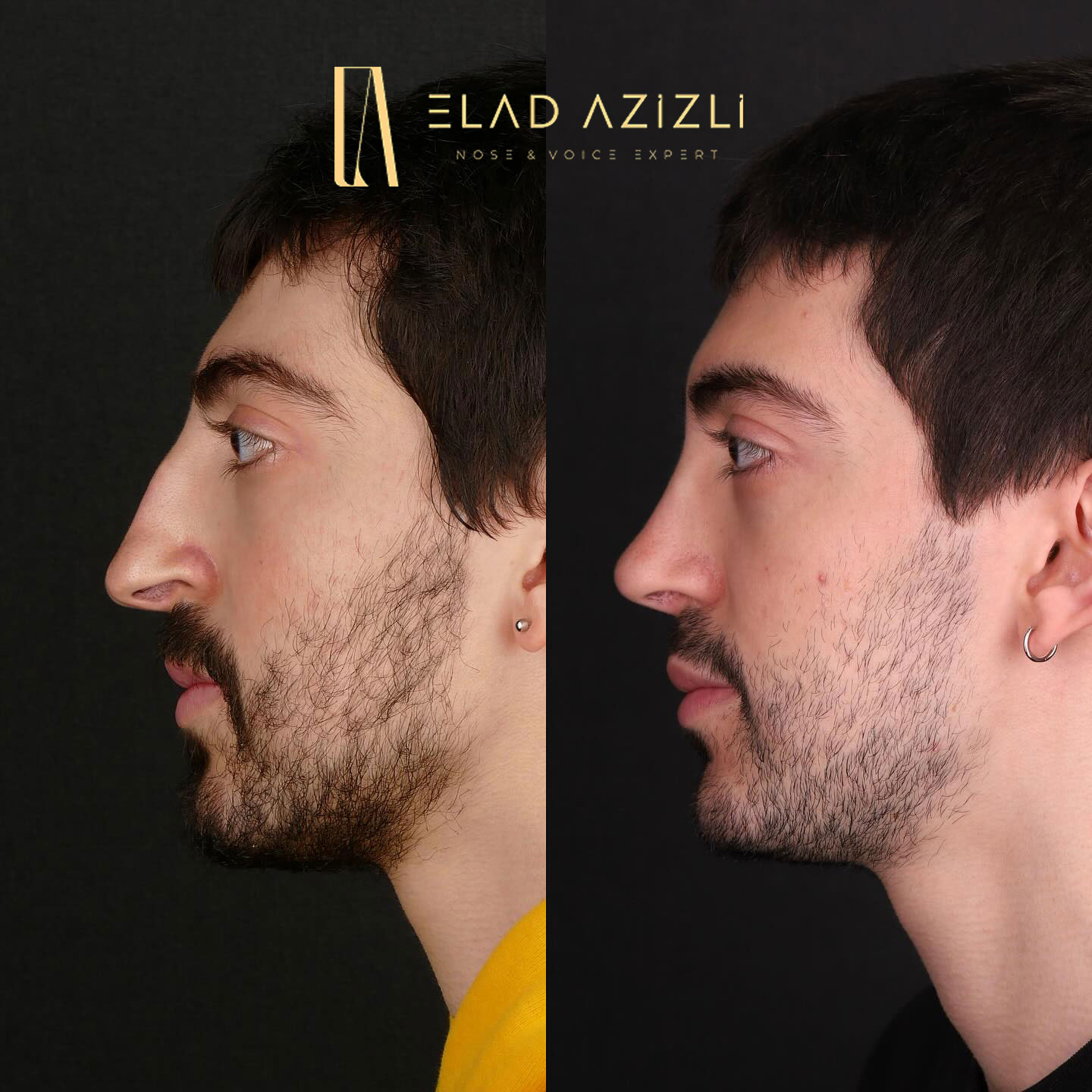
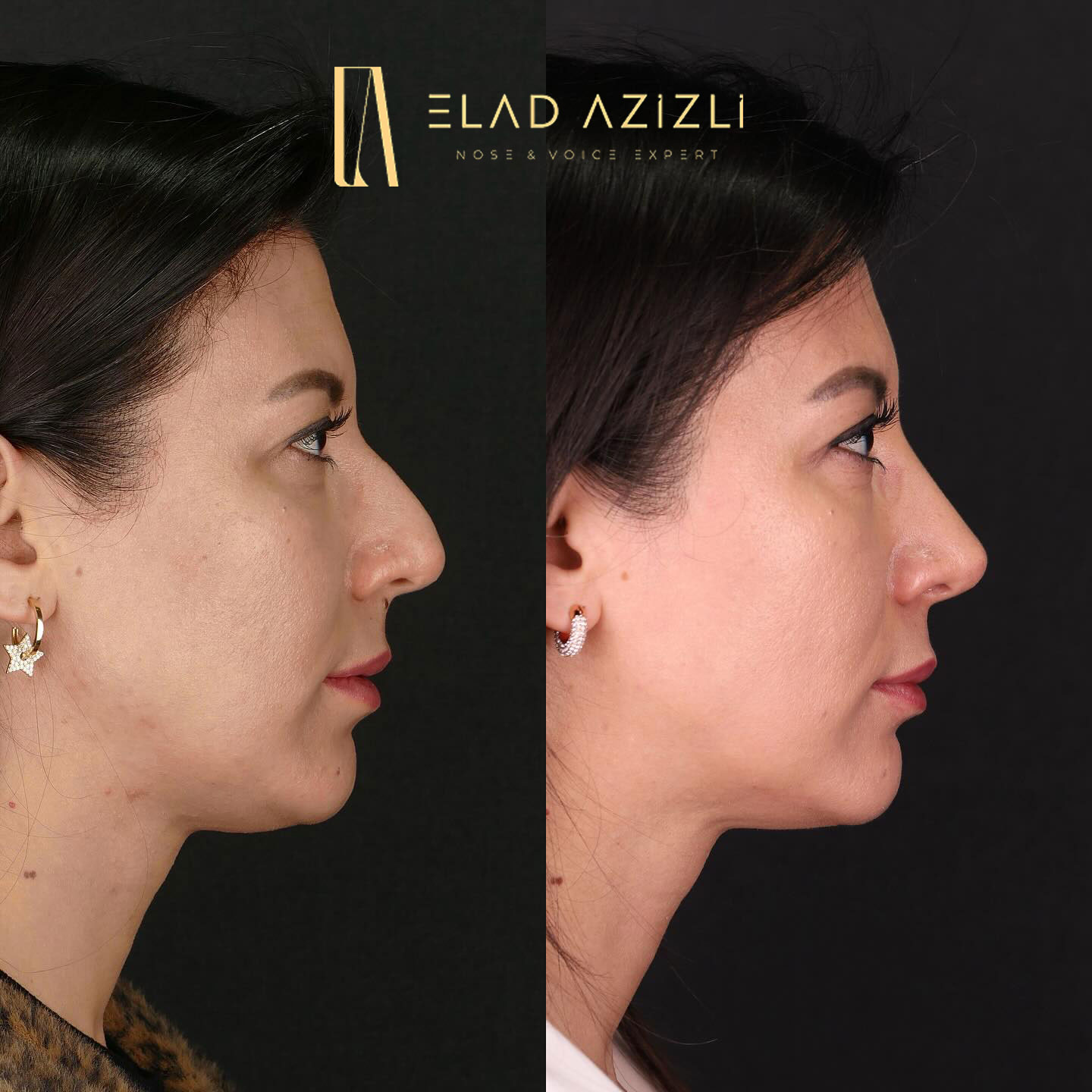
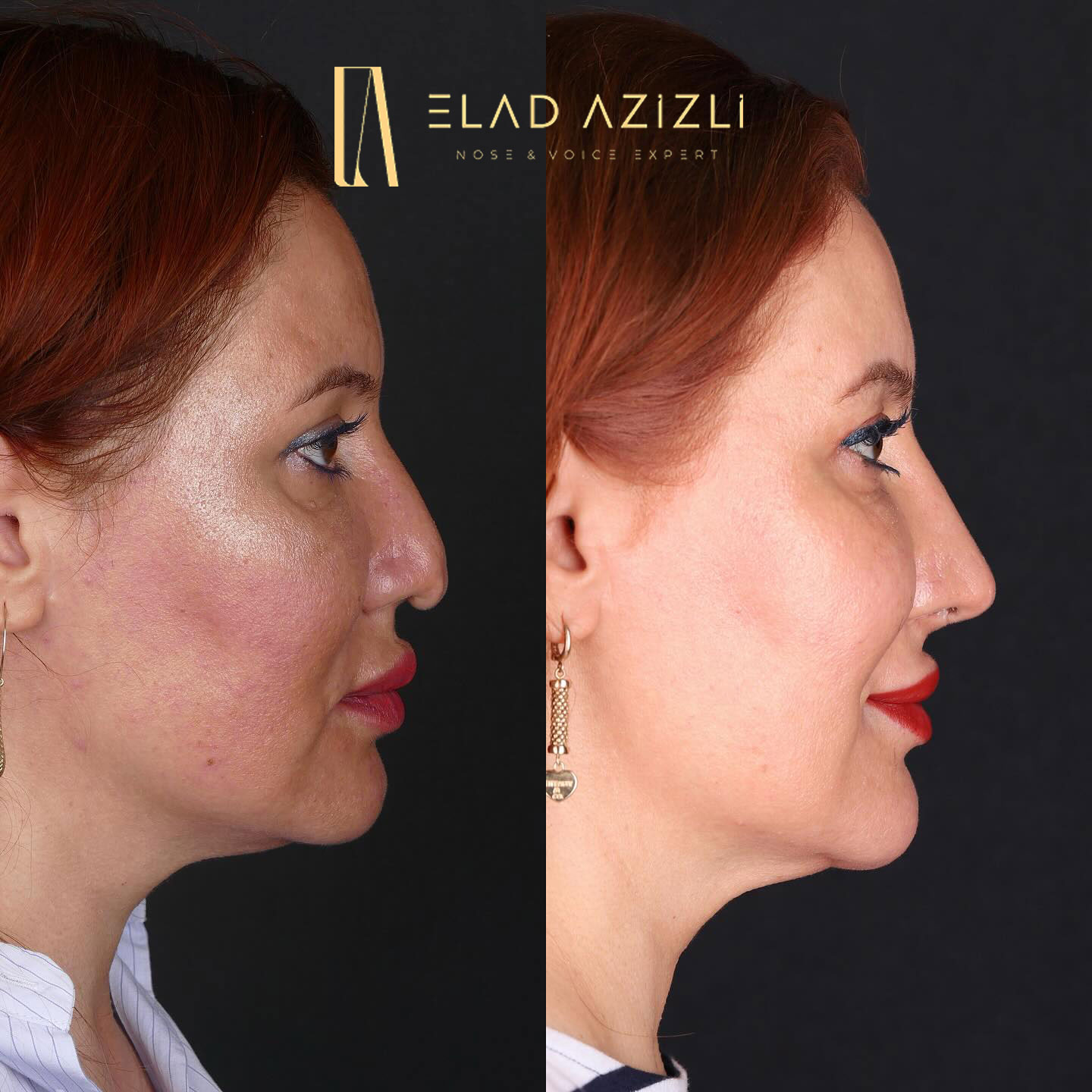
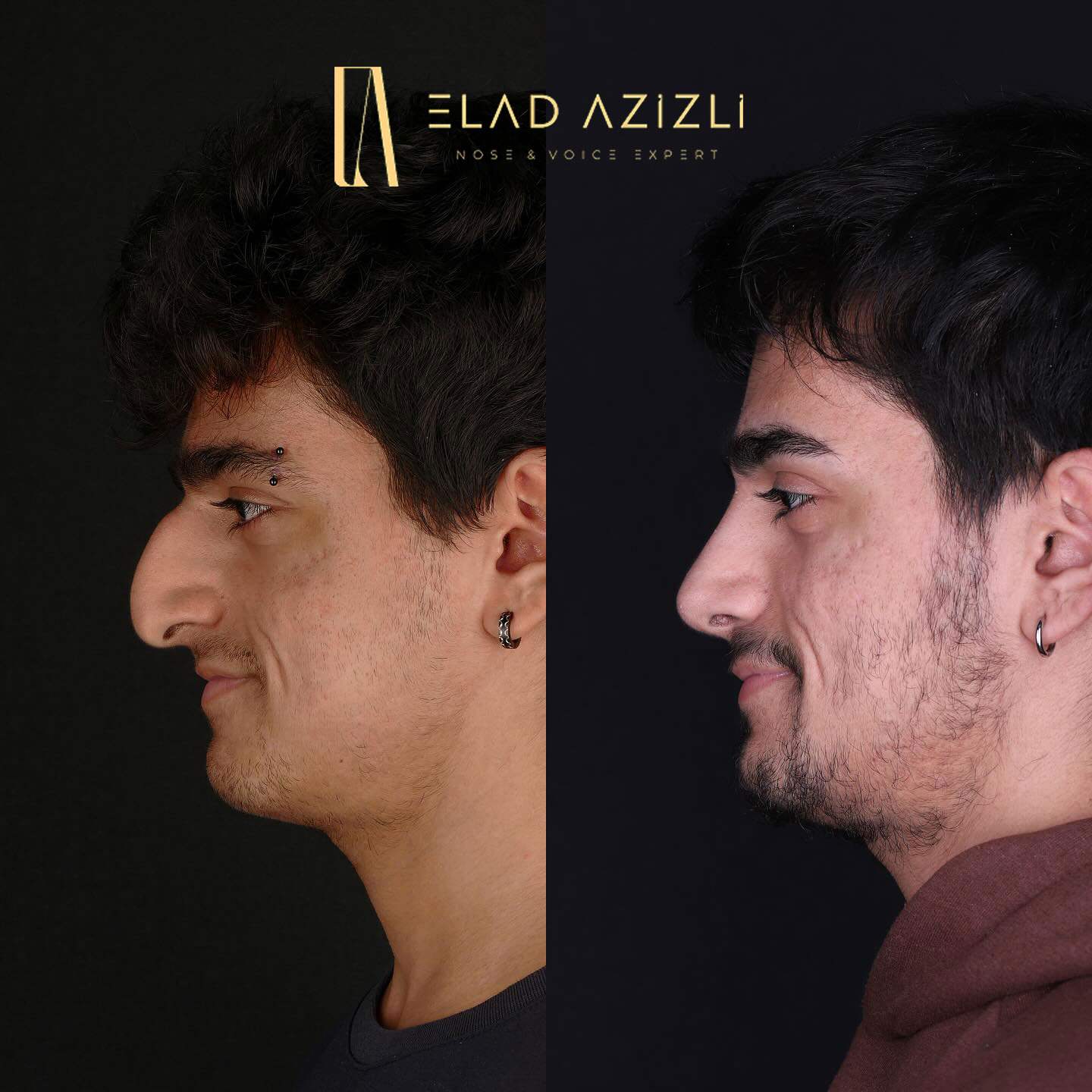
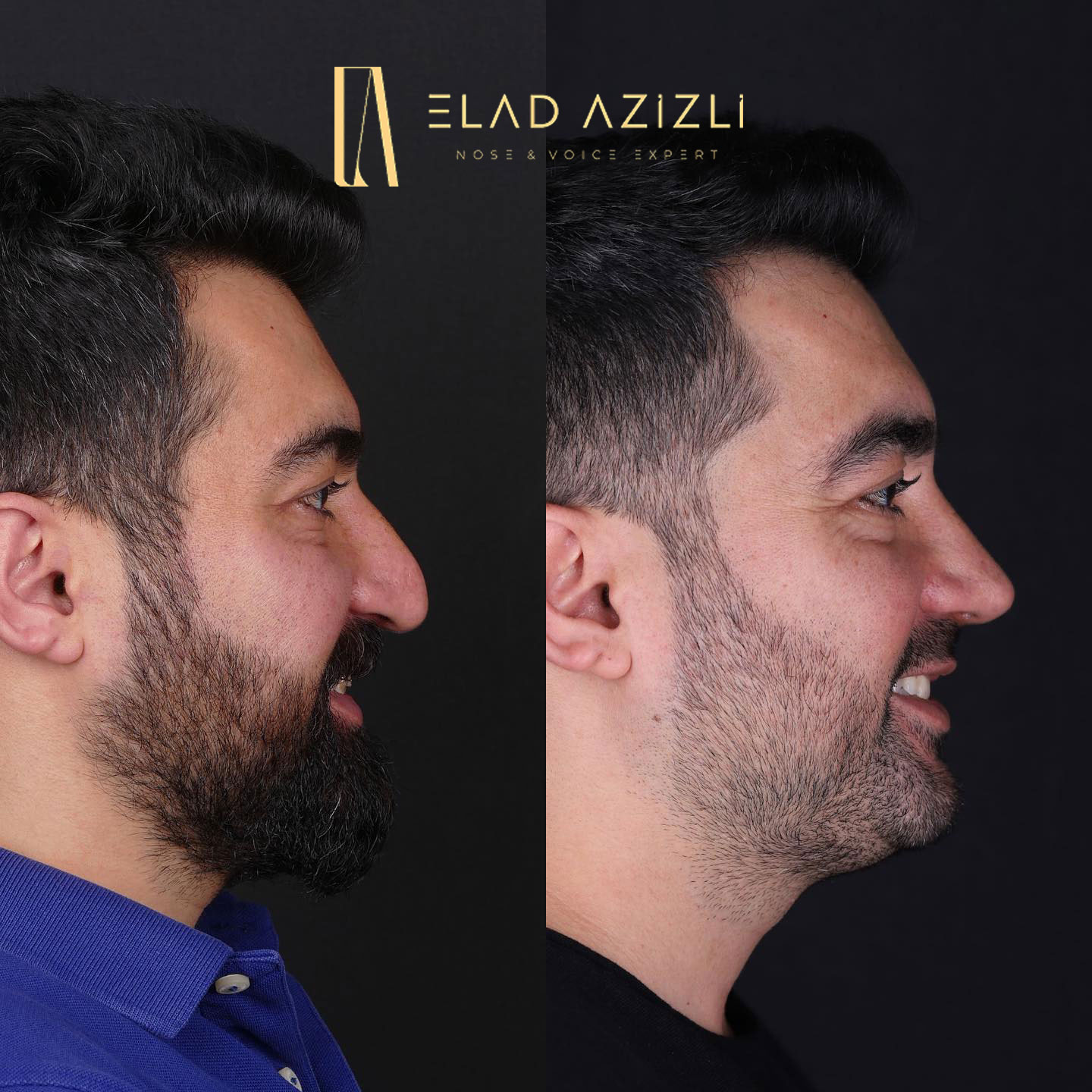
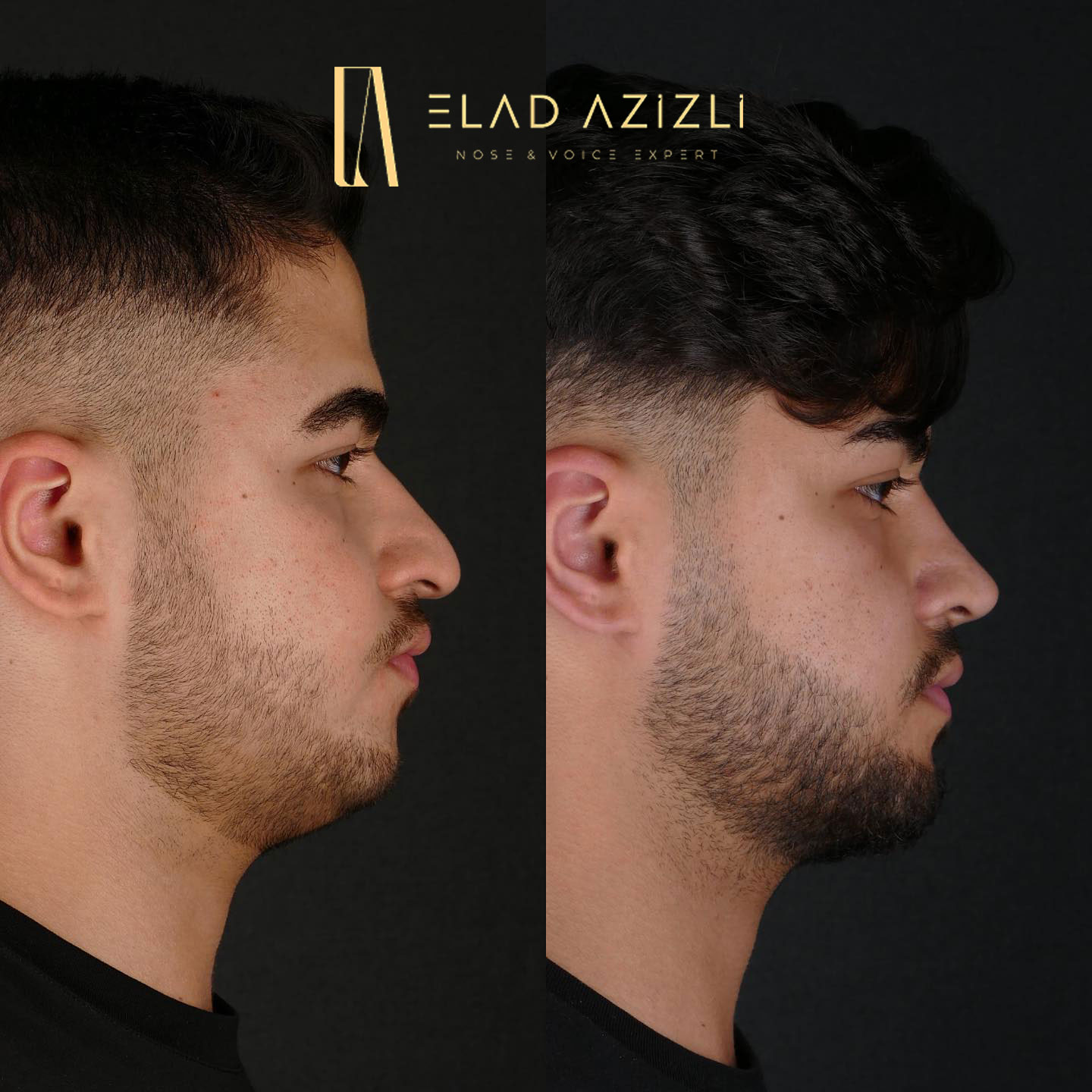
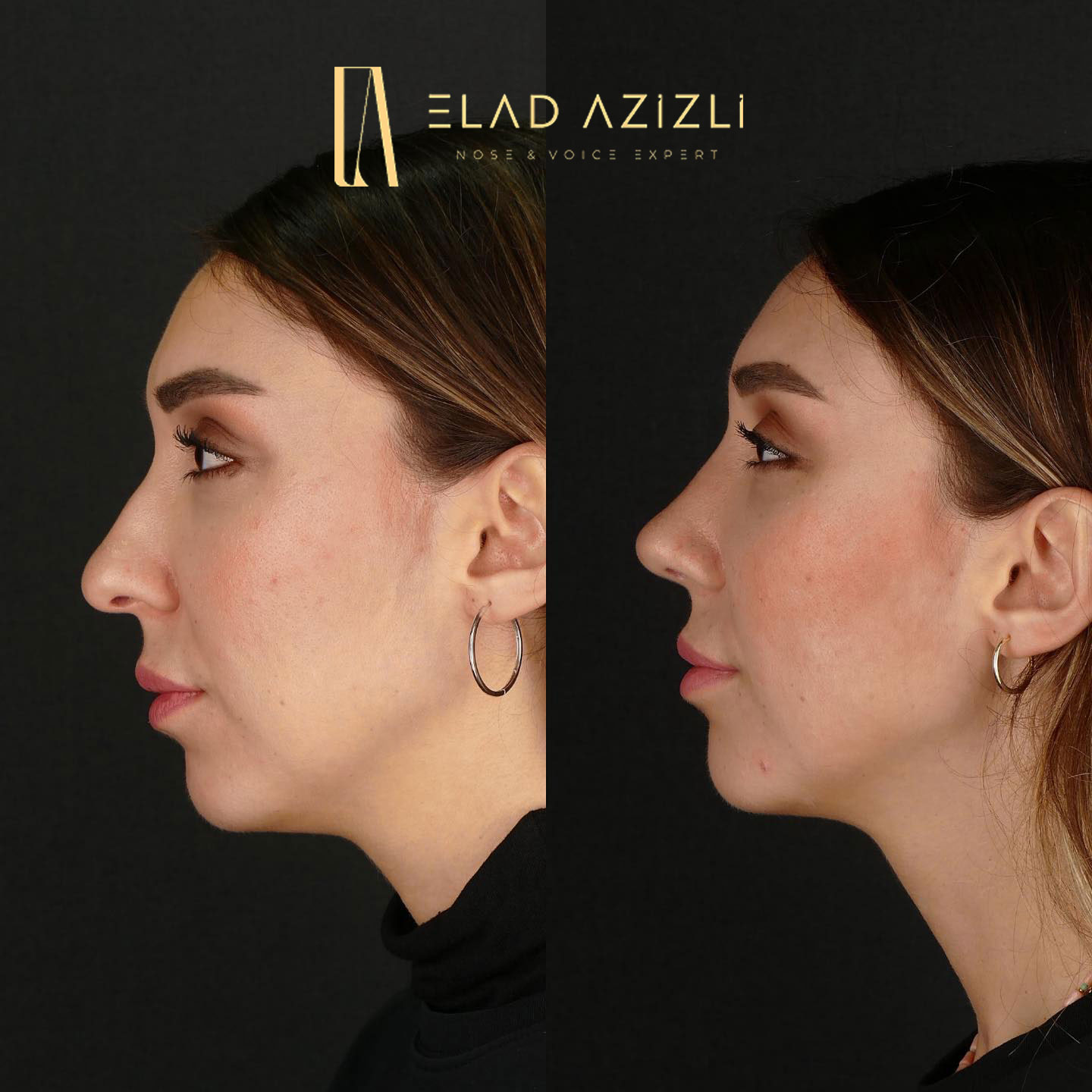
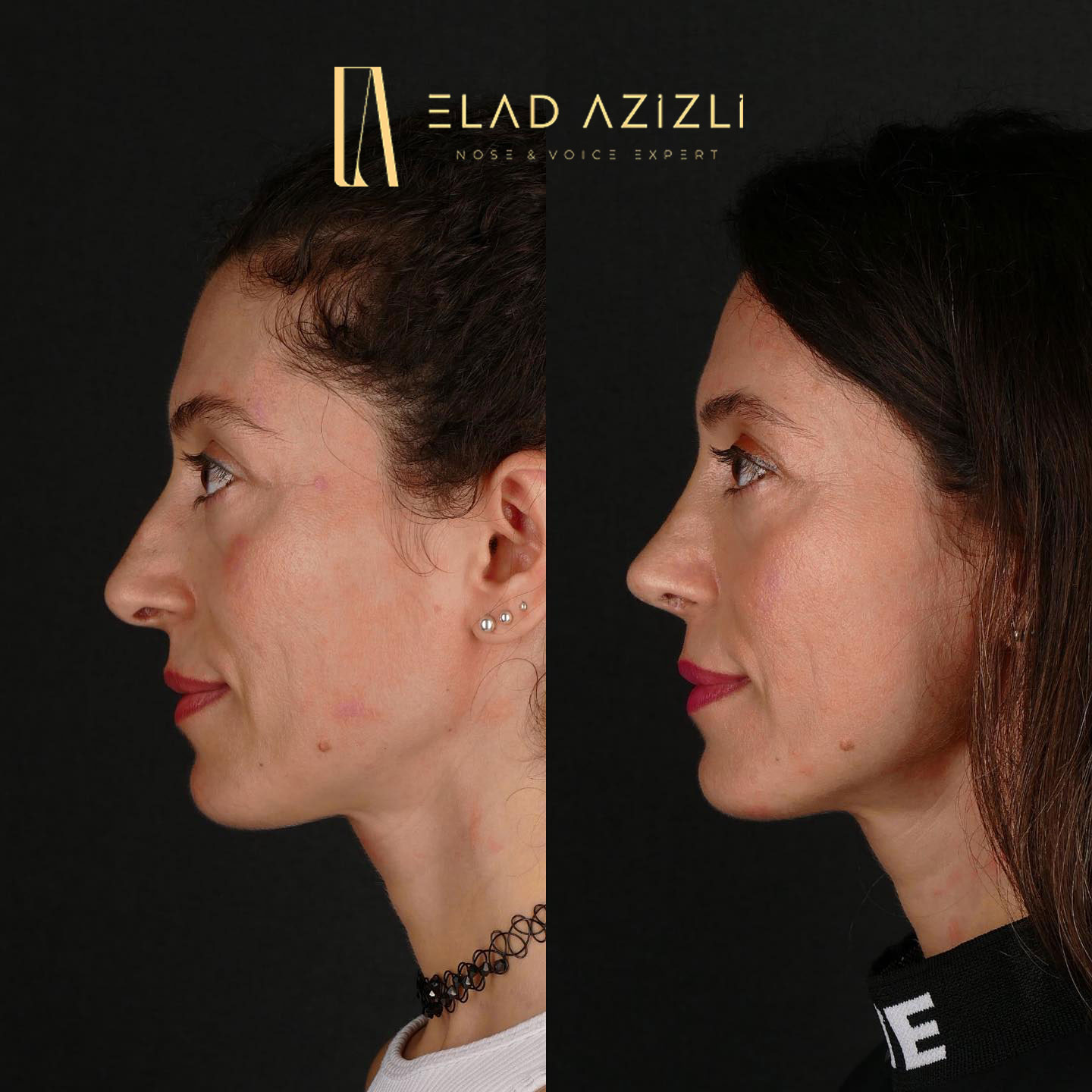
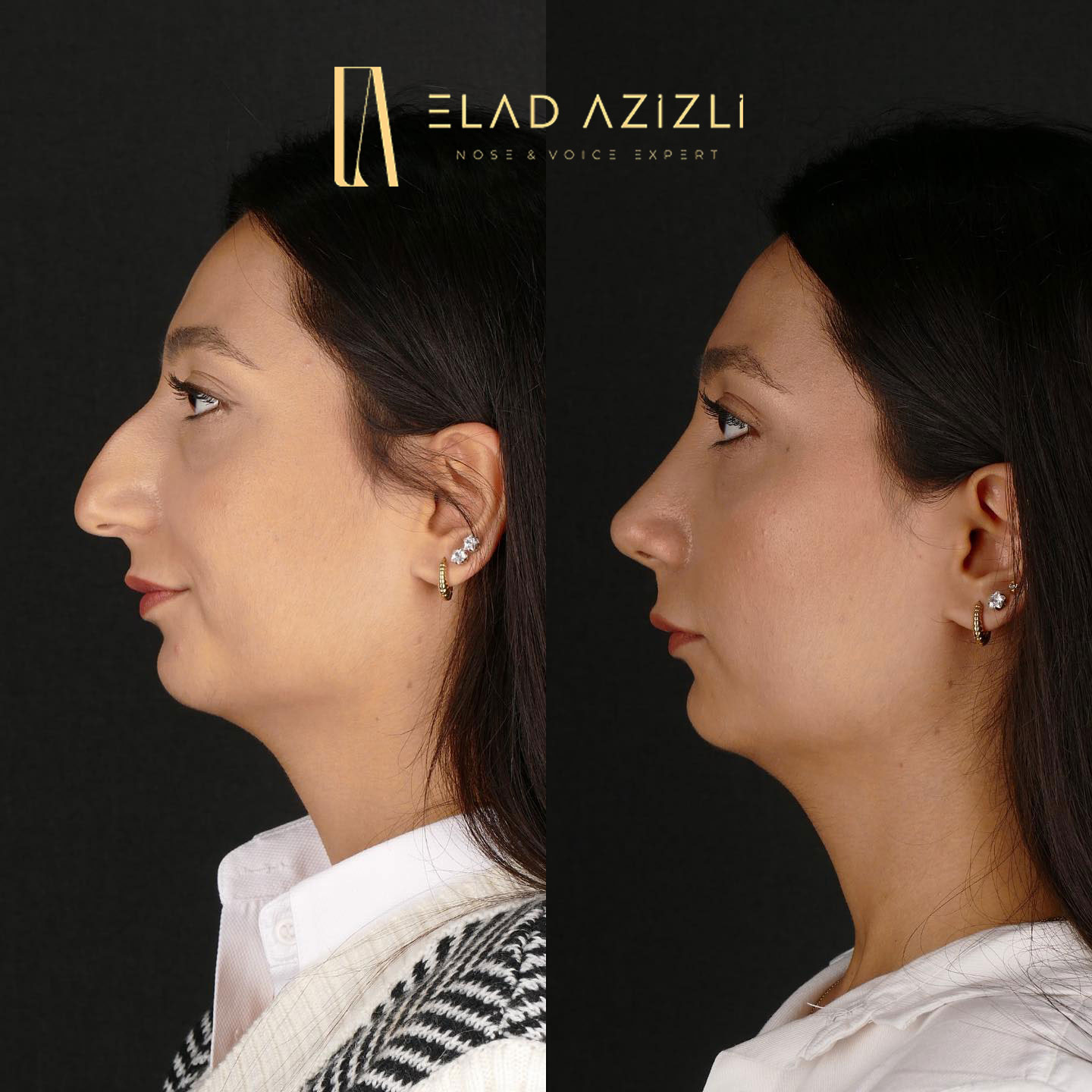
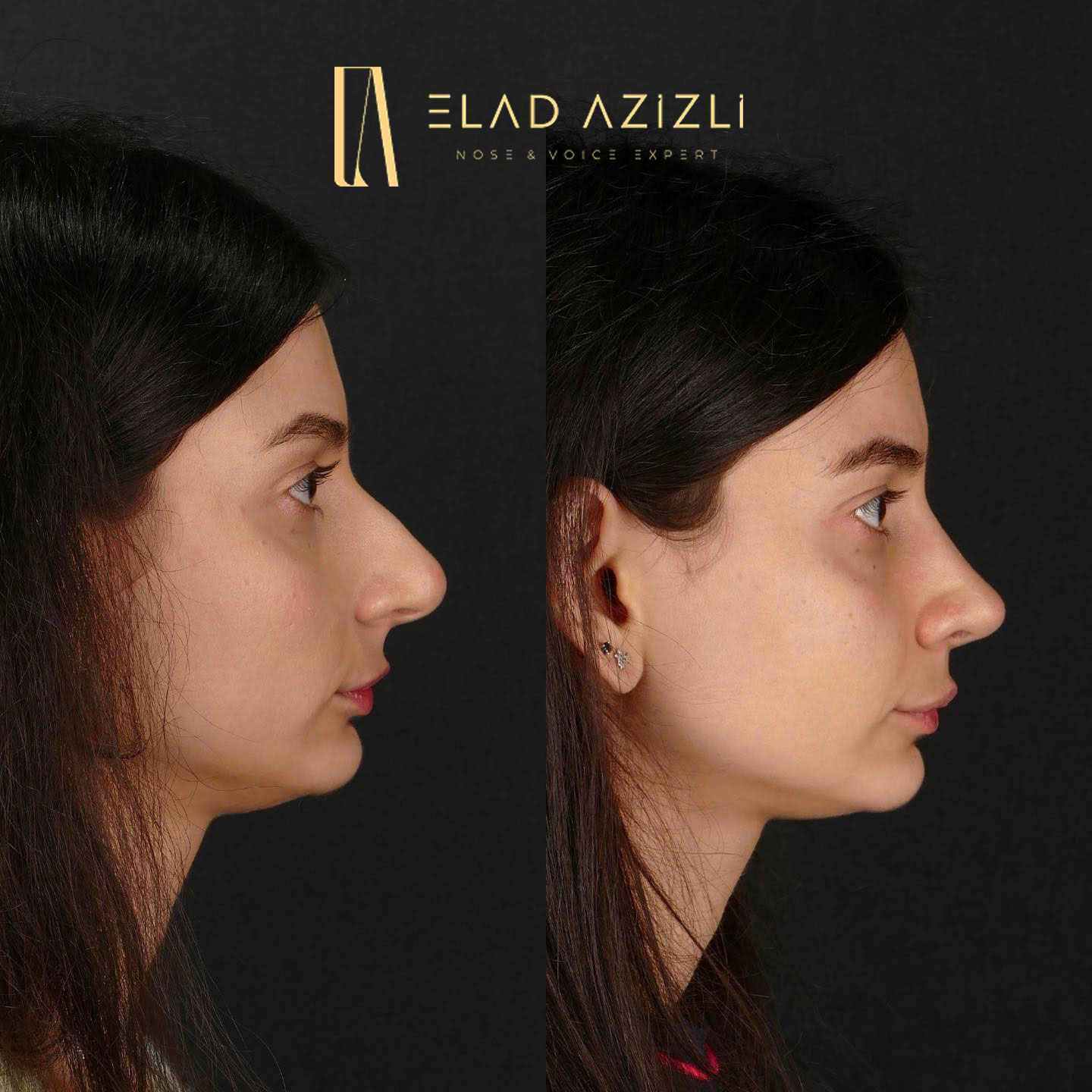
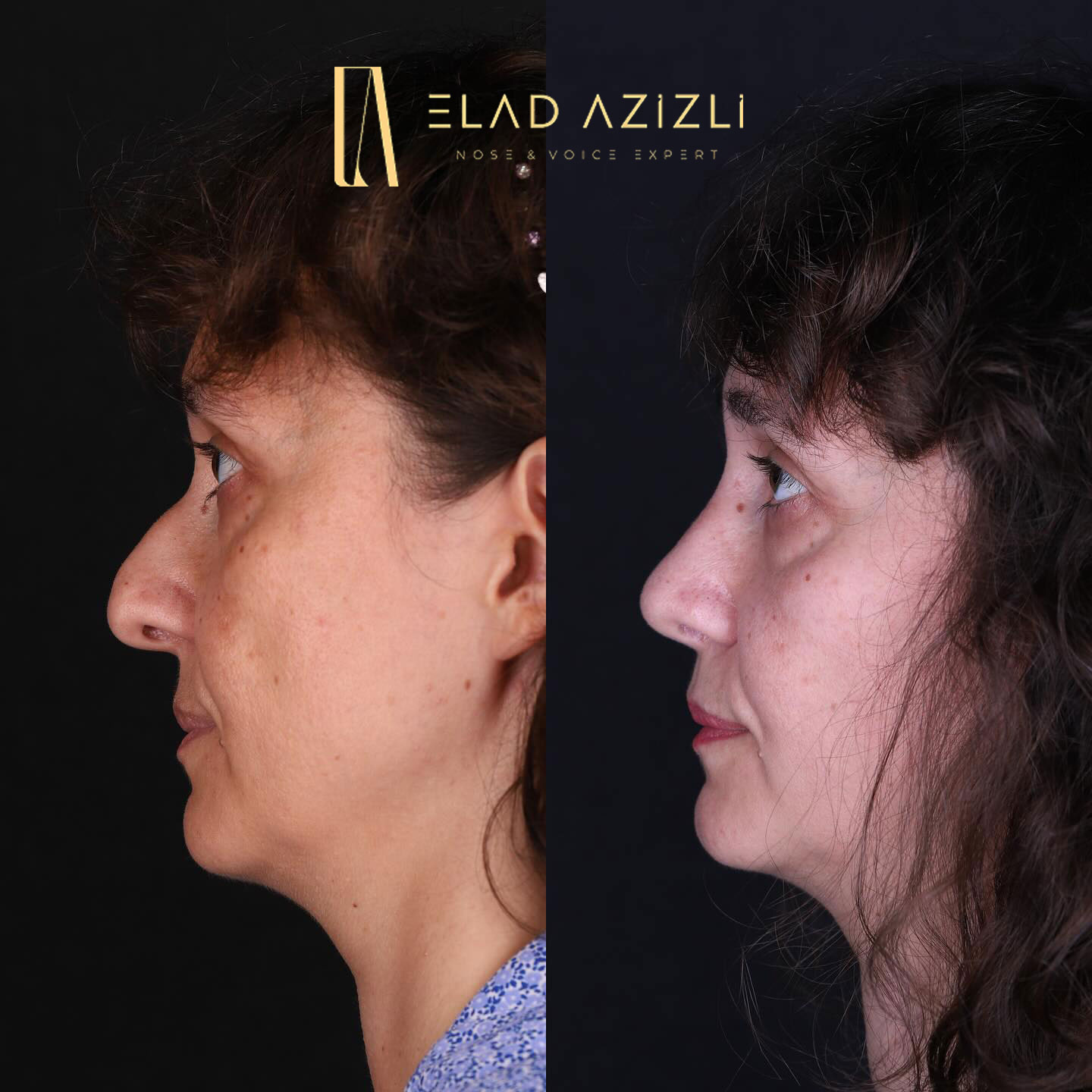
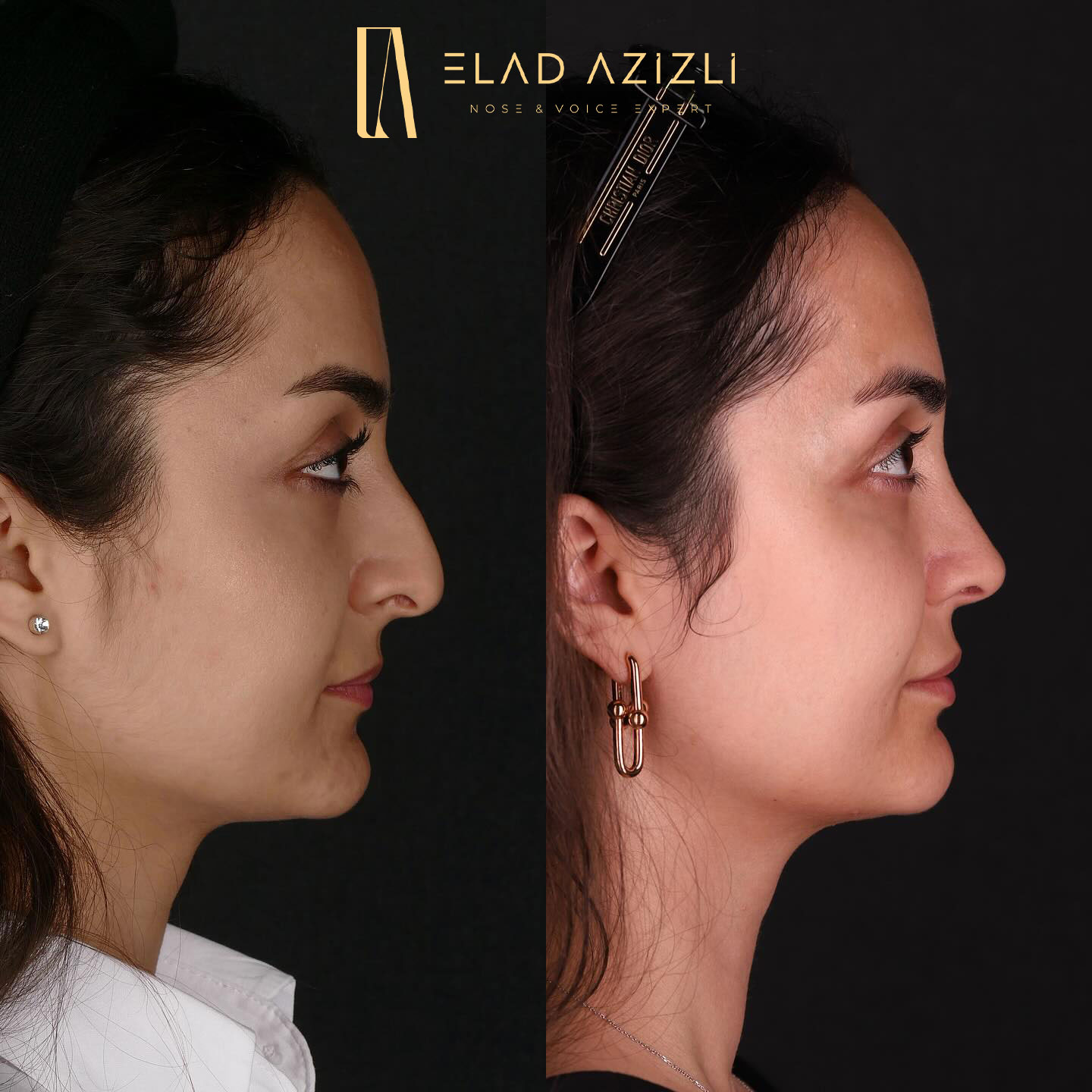
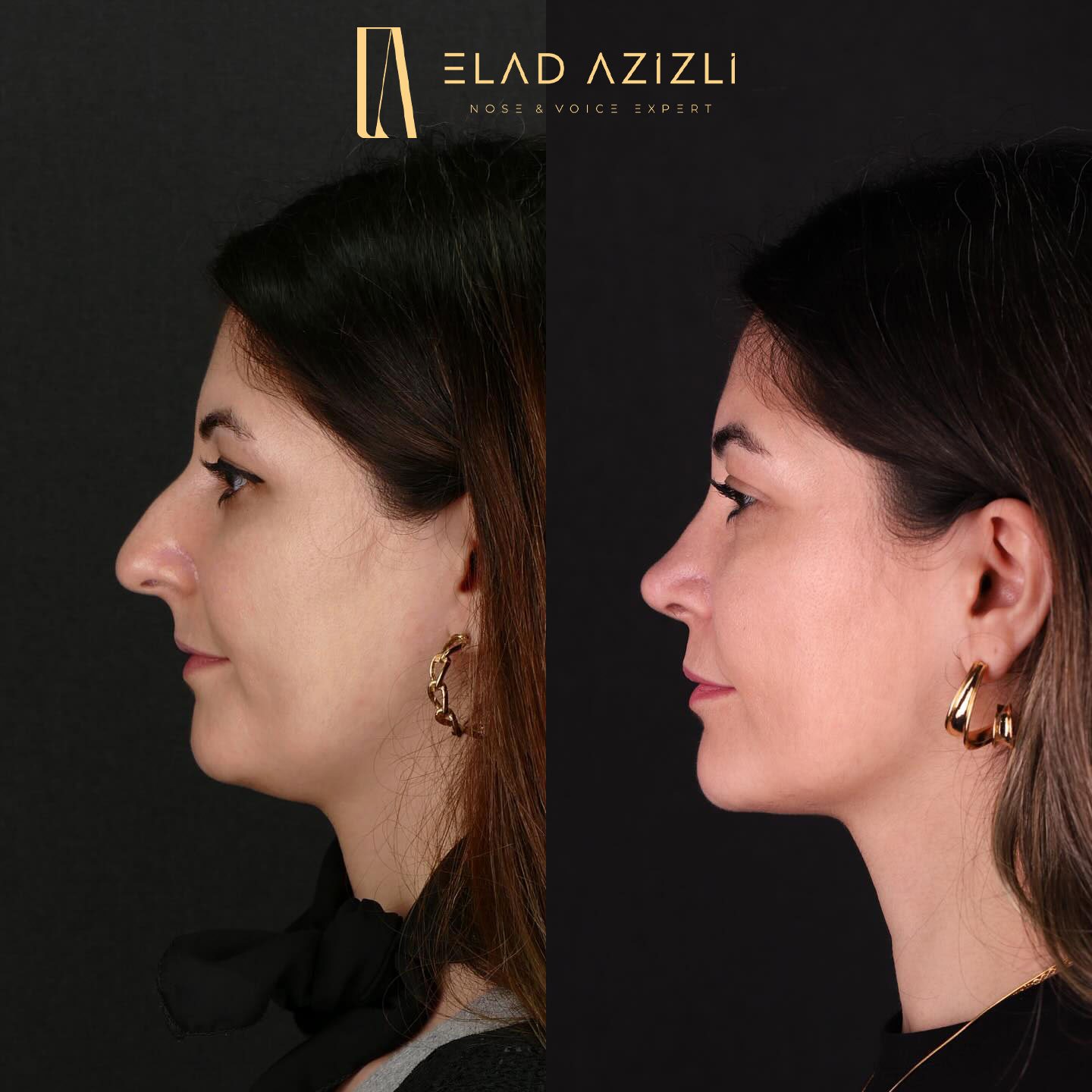
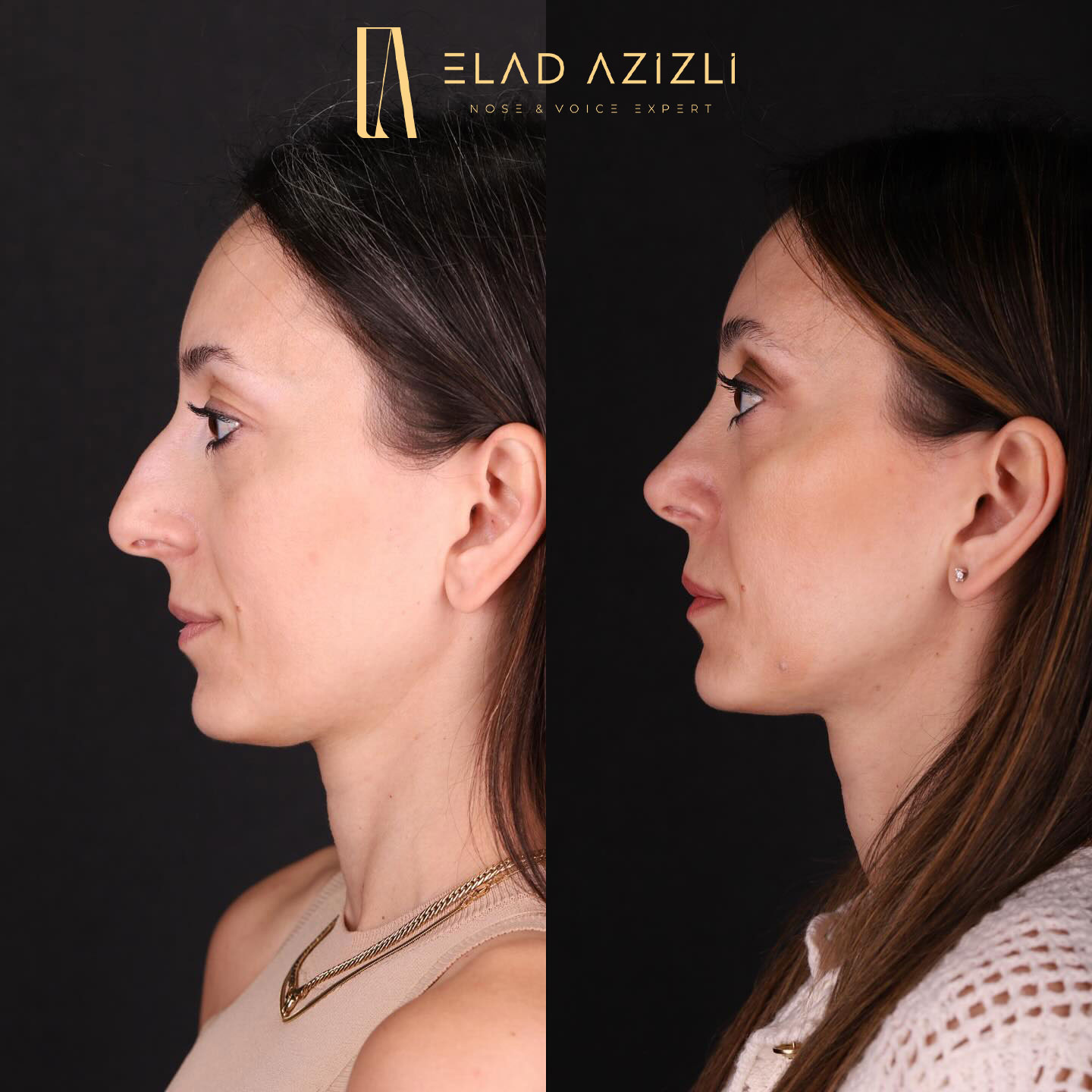
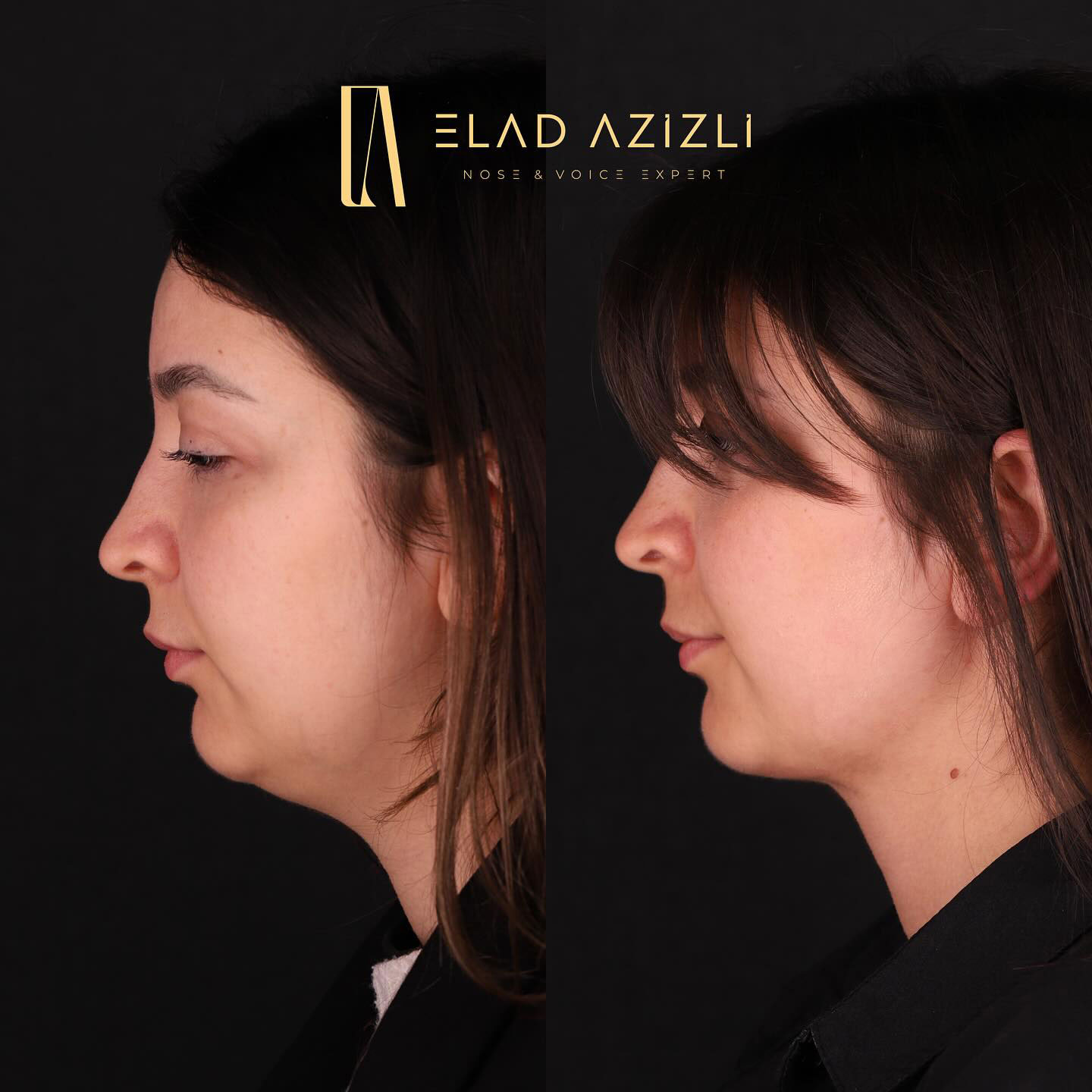
Closed rhinoplasty is a nose reshaping operation performed entirely through incisions hidden inside the nostrils, leaving no visible external scar. Using this endonasal approach, the surgeon refines the nasal bridge, hump, and tip and can correct breathing problems at the same time. It generally involves less swelling and a faster early recovery than the open technique.
What Is Closed Rhinoplasty and Which Structures Does It Involve?
Closed rhinoplasty, also called endonasal rhinoplasty, reshapes the nose from within: every incision is placed on the inside of the nostril lining, so nothing is cut across the columella (the strip of skin between the nostrils). Through these internal openings the surgeon reaches the nasal bones, the upper and lower lateral cartilages that shape the bridge and tip, and the septum (the wall dividing the two nasal passages).
Because the skin envelope is not lifted off the entire framework, the blood supply and the natural ligaments that hold the tip in place are largely preserved. This is the anatomical reason closed rhinoplasty is associated with less tip swelling and why the final shape tends to reveal itself sooner. The trade-off is a narrower field of view, which is why the technique demands a surgeon who knows the three-dimensional anatomy of the nose intimately and can work confidently by feel as well as sight.
[GÖRSEL: Cross-section illustration showing intranasal incision lines of closed rhinoplasty — alt text: Diagram of internal nostril incisions used in closed rhinoplasty]
Who Is a Good Candidate for Closed Rhinoplasty?
Closed rhinoplasty is best suited to patients whose main concerns are a dorsal hump, a slightly wide or crooked bridge, a mildly drooping or bulbous tip, or a deviated septum affecting breathing. In our Istanbul practice, the typical candidate is a healthy adult whose nasal growth is complete, who has never had nasal surgery before, and whose tip does not require extensive cartilage grafting or major structural rebuilding.
The decision is never based on a checklist alone. During consultation, Op. Dr. Elad Azizli examines the thickness of the skin, the strength of the tip cartilages, the symmetry of the nostrils, and the internal airway with nasal endoscopy (a thin camera passed gently into the nose). Thick-skinned noses, significant asymmetry of the tip, cleft-related deformities, and most revision cases usually benefit from the wider exposure of an open approach. A surgeon who offers both techniques can recommend the one that genuinely fits your nose rather than the one he simply prefers.
Closed vs Open Rhinoplasty: What Is the Difference?
The only fundamental difference between the two techniques is where the incisions are placed and how much of the nasal framework is exposed. Open rhinoplasty adds a small incision across the columella so the skin can be lifted like a hood, giving a direct view of the cartilages; closed rhinoplasty works through the nostrils alone. Neither is universally “better” — each has clear strengths depending on what needs to be corrected. The table below summarises the practical differences patients ask about most.
| Feature |
Closed Rhinoplasty |
Open Rhinoplasty |
| Incisions |
Entirely inside the nostrils |
Internal incisions plus a small cut across the columella |
| Visible scar |
None |
Small, usually well hidden but present |
| Surgeon’s view |
Limited; relies on experience and tactile feedback |
Direct, full view of tip and dorsum |
| Tip swelling |
Less; resolves faster |
More; may persist longer |
| Operating time |
Typically shorter (about 1.5–2.5 hours) |
Typically longer (about 2.5–4 hours) |
| Ideal for |
Hump removal, bridge refinement, moderate tip changes, septal correction |
Complex tip work, major asymmetry, grafting, revision surgery |
| Preservation of tip support |
Largely maintained |
Requires deliberate reconstruction |
For patients weighing the two, it can help to read our detailed guide on [DAHİLİ LİNK: open rhinoplasty technique] and, if a previous operation is involved, our page on revision rhinoplasty in Istanbul.
How Is Closed Rhinoplasty Performed? Step by Step
Consultation and personalised planning
Every operation starts with understanding what the patient sees in the mirror and what a balanced result would look like on their particular face. Standardised photographs are taken from several angles and analysed for proportions between the nose, forehead, lips, and chin. Digital simulation is used as a communication tool to agree on direction, never as a promise. The airway is assessed at the same time, because a nose that looks refined but breathes poorly is not a successful result.
Anaesthesia and the operation
Closed rhinoplasty is performed under general anaesthesia in a fully equipped hospital operating theatre. Through incisions inside the nostrils, the surgeon separates the skin from the underlying framework only as much as necessary, reduces or refines the dorsal hump, narrows the bones with controlled osteotomies (precise bone cuts), and reshapes the tip cartilages with sutures or conservative trimming. If the septum is deviated, it is straightened in the same session, and spare septal cartilage can be used as small grafts to support the bridge or tip. Many surgeons today combine the closed approach with dorsal preservation techniques, which keep the natural bridge intact rather than removing and rebuilding it.
Closure and the first hours
The internal incisions are closed with fine dissolvable sutures. A small external splint protects the reshaped bones, and soft silicone splints may be placed inside the nose for a few days if the septum was corrected. Most patients stay one night in hospital and are discharged the next morning.
[GÖRSEL: Patient wearing nasal splint on day one after closed rhinoplasty — alt text: Nasal splint after closed rhinoplasty surgery]
How Long Does Recovery Take After Closed Rhinoplasty?
Most patients return to desk work within seven to ten days, and the nose looks presentable in public once the splint is removed at about one week. Because the tip’s blood supply is less disturbed, swelling settles more quickly than after open surgery, although subtle refinement continues for up to a year. The timeline below reflects what we typically observe in the clinic.
| Time After Surgery |
What to Expect |
Guidance |
| Days 1–3 |
Peak swelling, mild bruising under the eyes, nasal congestion |
Head elevated, cold compresses, saline spray, no bending or lifting |
| Day 7 |
Splint removed; bruising mostly gone |
Return to light daily activity and desk work |
| Weeks 2–4 |
Visible swelling clearly reduced; breathing improving |
Light exercise; avoid glasses on the bridge and direct sun |
| Months 2–3 |
Bridge well defined; tip mildly swollen |
Full sports permitted; contact sports with caution |
| Months 6–12 |
Final refinement of tip and skin drape |
Final assessment and photographs |
What Are the Risks and Who Should Avoid It?
Closed rhinoplasty is a safe operation in experienced hands, but like any surgery it carries risks that deserve honest discussion. Temporary numbness of the tip, minor bleeding, and prolonged swelling are the most common issues and usually resolve without treatment. Less common problems include infection, small irregularities of the bridge that become noticeable after swelling resolves, persistent breathing difficulty, or a result that differs from what was planned; a proportion of rhinoplasty patients worldwide eventually seek a minor revision, and this should be understood before surgery rather than after.
The closed approach is generally not the first choice for patients who need extensive tip reconstruction, who have had previous rhinoplasty with significant scarring, or whose deformity involves major asymmetry. Smokers, patients with uncontrolled medical conditions, those with unrealistic expectations, and anyone under the age at which nasal growth is complete are advised to postpone or reconsider. Body dysmorphic concerns are also taken seriously in our consultations, because surgery cannot resolve distress that is not truly about the nose.
Closed Rhinoplasty in Turkey: Why Choose Istanbul?
Turkey performs one of the highest volumes of rhinoplasty procedures in the world, and Istanbul is the centre of that expertise. The city’s ear, nose and throat and facial surgery community is internationally recognised, and the sheer number of cases handled each year gives surgeons here a depth of experience with different ethnic nasal structures, skin types, and aesthetic expectations that is hard to match. For a technique like closed rhinoplasty, which depends heavily on the surgeon’s spatial understanding and tactile skill, this experience translates directly into consistency of results.
The second reason international patients travel is cost. A closed rhinoplasty in Istanbul typically costs a fraction of the equivalent operation in the United Kingdom, Western Europe, or the United States. This difference reflects lower operating overheads and favourable exchange rates, not a compromise on standards: accredited private hospitals in Istanbul use the same anaesthesia systems, high-definition nasal endoscopy, surgical instrumentation, and sterilisation protocols found in leading Western centres. International patient departments coordinate airport transfers, translation, accommodation, and VIP post-operative follow-up so that the medical journey is as smooth as the surgery itself.
Op. Dr. Elad Azizli’s Clinical Approach
Op. Dr. Elad Azizli is an otolaryngology, head and neck, and facial surgeon practising in Istanbul. His work spans aesthetic rhinoplasty, functional nasal and airway surgery, and voice surgery, and this combination shapes how he approaches the closed technique: the nose is treated as a breathing organ and an aesthetic feature at the same time, never one at the expense of the other. Each operation is planned around the individual’s facial proportions, skin thickness, and cartilage strength rather than a signature “one-size” nose.
Patients from Europe, the Middle East, and North America consult him specifically for the natural, unoperated look that a well-executed closed rhinoplasty can achieve. He is candid about when the open approach would serve a patient better, manages expectations realistically, and offers structured remote follow-up with photographic reviews for patients who return home shortly after surgery. [Doktorun doğrulanmış deneyim yılı, hastane ve dernek üyelikleri buraya eklenecek — DOLDUR.]
How Much Does Closed Rhinoplasty Cost?
The cost of closed rhinoplasty is determined after a clinical examination, because it depends on what the individual nose requires. Whether a septoplasty is combined with the aesthetic work, whether cartilage grafts are needed, and how long the procedure takes all influence the surgical fee. Beyond the operation itself, the price reflects the surgeon’s experience, the category of hospital, the type and duration of anaesthesia, the length of hospital stay, and whether follow-up visits and travel logistics are bundled into a package. Reputable clinics present these elements transparently before the patient commits.
| Cost Factor |
Why It Affects the Price |
Impact Level |
| Scope of the procedure |
Bridge-only refinement versus combined tip, bones, and septum |
High |
| Surgeon’s experience |
Specialist facial surgeons command higher professional fees |
High |
| Hospital category and equipment |
Accredited facility, endoscopy and imaging systems, theatre standards |
Medium |
| Anaesthesia and hospital stay |
General anaesthesia, anaesthetist fee, overnight observation |
Medium |
| Grafts and additional techniques |
Cartilage grafting or dorsal preservation adds time and complexity |
Medium |
| Aftercare and travel package |
Follow-up visits, transfers, accommodation, patient coordinator |
Low–Medium |
Does closed rhinoplasty leave any scar?
No visible scar is left on the outside of the nose. All incisions are made inside the nostrils on the mucosal lining, where they heal quickly and are hidden from view. This absence of an external scar is one of the main reasons patients choose the closed technique when their nose is suitable for it.
Can closed rhinoplasty fix a deviated septum and breathing problems?
Yes. Septoplasty (straightening the nasal septum) is routinely combined with closed rhinoplasty in the same operation, and the internal nasal valves can be supported with small grafts through the same intranasal incisions. Many patients notice better airflow once post-operative swelling subsides, typically within a few weeks.
Is closed rhinoplasty less painful than open rhinoplasty?
Pain levels are broadly similar and usually mild, controlled with simple oral painkillers. What differs is swelling: because the columella is not cut and the tip’s blood supply is less disturbed, closed rhinoplasty patients tend to experience less tip swelling and a quicker return to a natural appearance.
How long do the results of closed rhinoplasty last?
Results are intended to be long-term, since the bones and cartilages are permanently reshaped. The nose continues to age naturally, and minor changes over decades are normal. Avoiding trauma, protecting the nose during sports in the first months, and attending follow-up appointments help maintain the outcome.
When will I see the final result?
The overall shape is visible once the splint is removed after about a week, and roughly most of the swelling resolves within two to three months. The tip continues to refine subtly for up to a year. Closed rhinoplasty usually reaches its final appearance somewhat sooner than the open technique.
Can closed rhinoplasty be used for revision surgery?
In selected cases with limited problems, such as a small residual hump, yes. Most revision cases, however, involve scar tissue, missing cartilage, and tip asymmetry that are better addressed with the wider exposure of the open approach. The right technique is decided after examination, not in advance.
Considering Closed Rhinoplasty in Istanbul?
A well-planned closed rhinoplasty can refine the profile, restore comfortable breathing, and do so without a single visible scar. Whether the technique is right for your nose depends on its structure, your goals, and an honest conversation with a surgeon who offers both open and closed approaches. If you would like an individual assessment, you are welcome to arrange an in-person or online consultation with Op. Dr. Elad Azizli; bringing clear photographs from the front, side, and below allows a meaningful first evaluation even before you travel.
 Türkçe
 РУССКИЙ
 Spanish
 Français